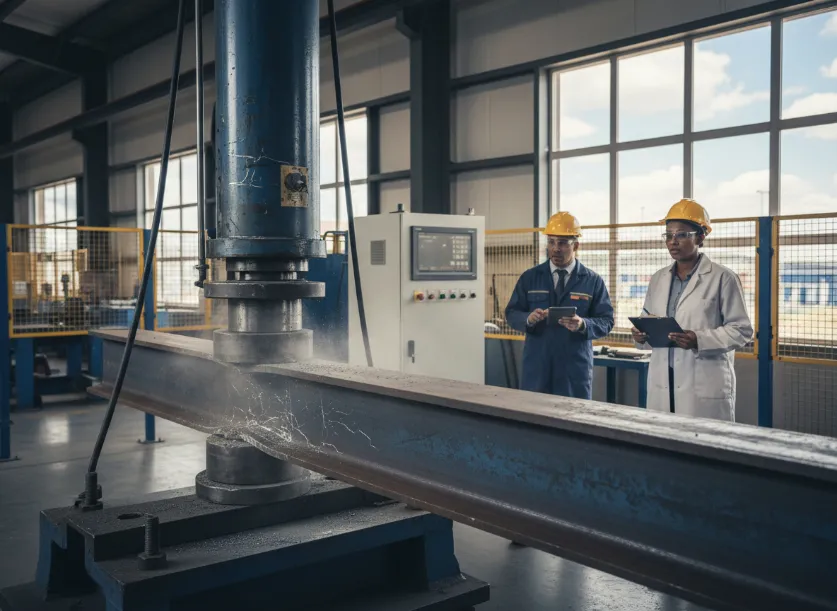

A steel support gives way during a routine load test at a Gauteng workshop. Work stops. Deadlines shift. In most cases, the fault doesn’t start on site. It starts earlier, where mechanical testing didn’t fully reflect how that material would behave once it faced real pressure.
Core Mechanical Testing Methods Engineers Use
On most South African projects, engineers don’t guess — they verify. Different mechanical testing types help them understand exactly how a material will perform before it gets anywhere near a live environment. Standards from the South African Bureau of Standards keep those checks consistent across industries.
Some of the methods used every day include:
Tensile Testing
This shows how far a material can stretch before it fails. It’s a baseline check for anything structural.
Hardness Testing
Useful when components wear. Engineers often depend on this for parts used in heavy machinery.
Impact Testing
Measures how materials respond to sudden force. In mining environments, this becomes critical.
Fatigue Testing
Consider long-term behaviour under repeated stress. Ideal for moving parts or load-bearing components over time.
The International Organisation for Standardisation continues to stress the value of consistent testing, especially where safety and performance sit on a fine margin.
Why Materials Testing Matters in South Africa
Materials behave differently depending on where they’re used. Coastal sites deal with salt exposure. Inland operations face heat, dust, and constant load pressure. Those conditions add up.
That’s where materials testing earns its place. It helps teams:
• Avoid sudden failures
• Keep operations running without interruption
• Stay within regulatory requirements
• Get more life out of expensive assets
Insights shared by ASTM International present that proper testing minimises failure rates, particularly in high-load sectors like mining and energy.
Choosing the Right Testing Approach
There’s a difference between testing thoroughly and testing wisely. Experienced engineers know where to focus.
A typical approach:
• Look at how the material will actually be used
• Choose the relevant tests — not every test available
• Follow recognised standards (ISO, ASTM)
• Work with accredited labs for accurate results
This isn’t about ticking boxes. It’s about making sure the material holds up when it matters.
Final Insight
Mechanical testing gives engineers confidence before materials ever reach the site. When done properly, it cuts risk, supports performance, and keeps projects moving without unnecessary setbacks. Getting that process right early often saves far more than it costs later.



























Sign in to leave a comment.