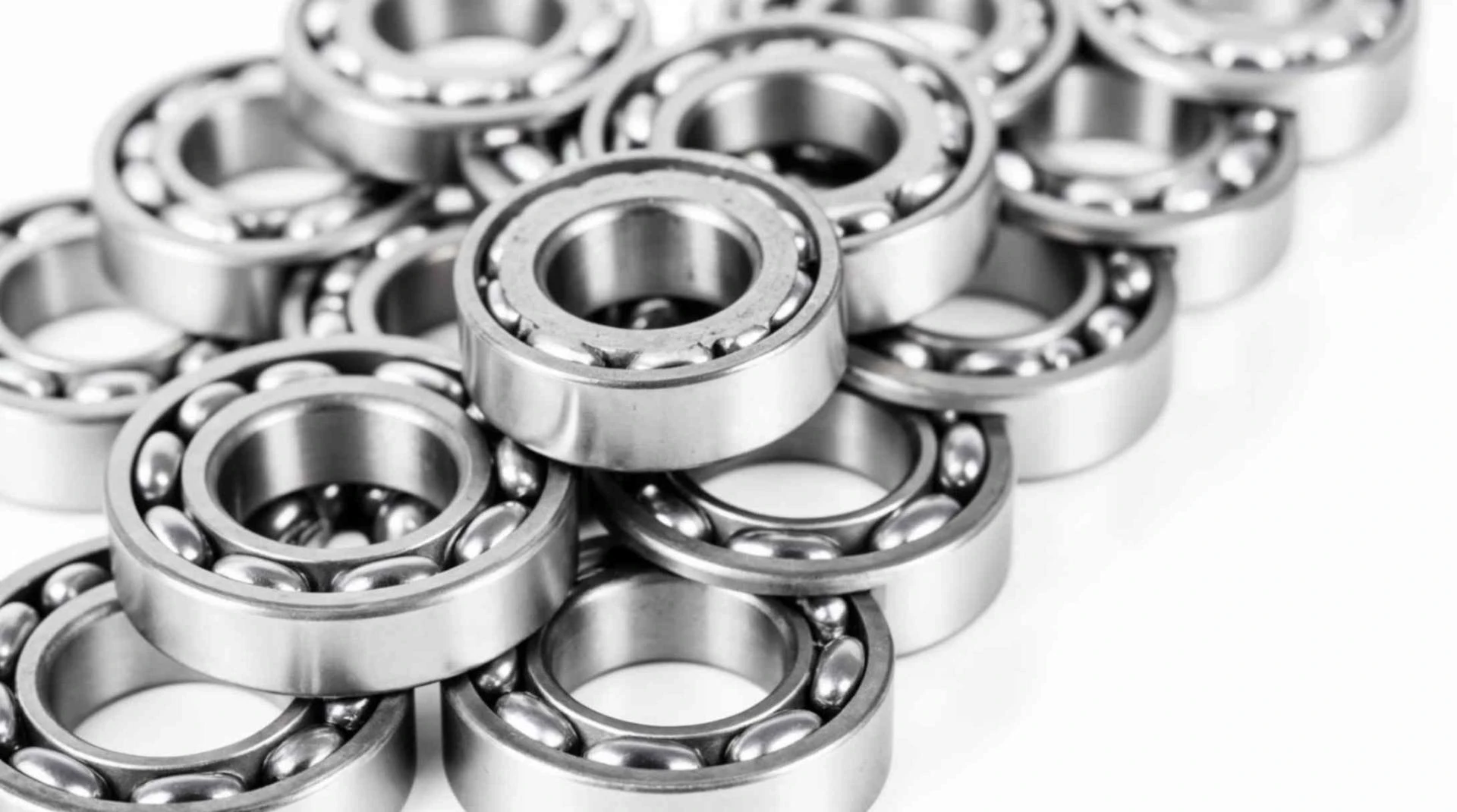

Industrial machinery relies on several critical components to ensure smooth operation, durability, and efficiency. Among these components, white metal bearings play a significant role in reducing friction and supporting rotating parts under heavy loads. These bearings are widely recognized for their excellent performance, reliability, and ability to operate in demanding industrial environments. Understanding how they work and why industries prefer them can provide valuable insight into modern mechanical systems.
Understanding White Metal Bearings
White metal bearings are a type of plain bearing that uses a soft, anti-friction metal alloy as the bearing surface. The alloy is typically composed of tin, lead, copper, and antimony. These metals combine to create a material that offers both strength and flexibility, allowing the bearing to support heavy loads while maintaining low friction.
The term “white metal” comes from the silvery appearance of the alloy used in the bearing surface. This material is often cast or bonded onto a steel or bronze backing to provide structural support. The result is a bearing that combines a soft friction-reducing layer with a strong base capable of handling industrial stress.
These bearings are commonly used in rotating equipment where shafts need to move smoothly while carrying significant loads. Their design allows them to distribute pressure evenly, which helps prevent premature wear and mechanical failure.
Composition and Structure
Alloy Composition
White metal alloys are specifically engineered to perform well under mechanical stress. The most common compositions include tin-based or lead-based alloys. Tin-based alloys are generally preferred because they offer better corrosion resistance, fatigue strength, and temperature tolerance.
Typical components include:
- Tin or lead as the primary base metal
- Copper to increase hardness and strength
- Antimony to improve wear resistance and structural stability
The combination of these metals creates a layered microstructure with hard particles embedded in a softer matrix. This structure helps trap debris and contaminants, preventing them from damaging the rotating shaft.
Layered Construction
Most white metal bearings consist of multiple layers:
- Backing layer made from steel or bronze for strength
- Intermediate bonding layer to secure the metal alloy
- White metal lining that directly contacts the rotating shaft
This layered design ensures that the bearing can handle heavy mechanical loads while maintaining excellent friction-reducing properties.
Key Characteristics That Make Them Effective
Excellent Anti-Friction Properties
One of the main advantages of these bearings is their ability to minimize friction between moving parts. The soft alloy surface allows a thin oil film to form between the bearing and the shaft. This lubrication film significantly reduces metal-to-metal contact.
Lower friction results in smoother machine operation, less heat generation, and longer equipment life.
High Load-Carrying Capacity
Industrial machinery such as turbines, compressors, and large pumps often operate under heavy loads. White metal bearings can distribute these loads evenly across the bearing surface. This helps prevent localized stress points that could lead to damage.
Because of their structure, they can also accommodate slight shaft misalignment without causing severe wear.
Ability to Embed Contaminants
In many industrial environments, dust, metal particles, and debris can enter machinery. The soft bearing surface can embed small contaminants instead of allowing them to scratch the shaft.
This property protects both the shaft and the bearing, improving the overall lifespan of the equipment.
Good Conformability
Conformability refers to the ability of the bearing material to adapt to minor irregularities in the shaft surface. White metal alloys can adjust to slight imperfections or distortions without losing their performance.
This flexibility makes them suitable for machinery that experiences variable loads or thermal expansion.
Common Applications in Industrial Machinery
White metal bearings are widely used across many heavy industries because of their reliability and durability.
Power Generation Equipment
Steam turbines, gas turbines, and generators rely heavily on white metal bearings. These machines operate at high speeds and temperatures, making low friction and efficient lubrication essential.
The bearings support large rotating shafts and help maintain stability during continuous operation.
Marine Engines
Large marine propulsion systems require bearings capable of handling high loads and vibration. White metal bearings are commonly used in ship engines, propeller shafts, and auxiliary systems.
Their ability to withstand harsh conditions and provide reliable lubrication makes them ideal for maritime applications.
Pumps and Compressors
Industrial pumps and compressors often run for long periods without interruption. Bearings in these machines must resist wear while maintaining smooth rotation.
White metal bearings provide the necessary durability and efficiency for these demanding systems.
Heavy Manufacturing Machinery
Steel mills, rolling mills, and other manufacturing equipment also rely on these bearings. They support heavy rotating components while maintaining precise alignment and smooth motion.
Advantages Over Other Bearing Types
Longer Service Life
Because the alloy can adapt to minor imperfections and trap debris, white metal bearings often last longer than harder bearing materials. Proper lubrication further increases their lifespan.
Better Heat Dissipation
The metallic structure allows heat to spread evenly across the bearing surface. This reduces the risk of overheating during high-speed operation.
Ease of Maintenance
If the bearing surface becomes worn, it can often be re-metalled rather than completely replaced. This process involves applying a new layer of white metal to restore the bearing.
Re-metalling helps reduce maintenance costs and extends the usable life of the equipment.
Reliability in Critical Equipment
Industrial machines such as turbines and generators cannot afford unexpected failure. White metal bearings are trusted because they provide predictable performance under demanding conditions.
Their long history of successful use in heavy machinery makes them a preferred choice in many industries.
Maintenance Considerations
Although these bearings are highly reliable, proper maintenance is still essential.
Regular lubrication ensures the formation of an oil film that prevents metal contact. Monitoring oil temperature, pressure, and cleanliness is also important to maintain optimal performance.
Routine inspections can help identify early signs of wear or misalignment. Addressing these issues quickly prevents larger mechanical problems and keeps machinery running efficiently.
Final Thought
Industrial machinery depends on components that can handle heavy loads, continuous operation, and harsh environments. white metal bearings have proven to be one of the most reliable solutions for supporting rotating shafts in demanding applications. Their unique alloy composition, ability to reduce friction, and tolerance for contaminants make them a valuable part of many mechanical systems. As industries continue to rely on high-performance machinery, these bearings remain an essential element in ensuring smooth, efficient, and long-lasting operation.
























Sign in to leave a comment.