
Introduction
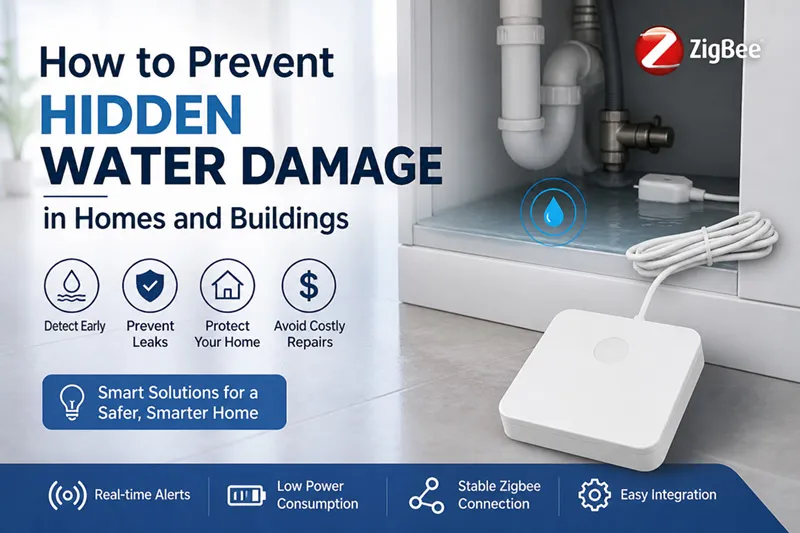
Hidden water damage is a common problem in both homes and commercial buildings. It often starts small and goes unnoticed. Over time, it can cause serious structural damage and expensive repairs.
Many leaks happen in places people rarely check. Because of this, early detection becomes very important. A proactive approach can help reduce risks and avoid long-term damage.
Where Hidden Water Damage Often Starts
Hidden water damage usually begins in areas that are difficult to inspect. These locations are often out of sight, which makes leaks harder to detect.
Common high-risk areas include:
- Under kitchen sinks and cabinets
- Behind washing machines and dishwashers
- Around water heaters and boilers
- Inside basements and utility rooms
- Near HVAC and cooling systems
In commercial buildings, leaks may also occur in equipment rooms and pipelines. Even a small leak in these areas can lead to serious problems.
Why Early Detection Matters
The biggest challenge with hidden water damage is delayed detection. A small leak may seem harmless at first. However, it can quickly become a major issue if ignored.
Early detection helps to:
- Reduce repair costs
- Prevent structural damage
- Avoid mold and health risks
- Improve maintenance efficiency
Because of this, many property owners are shifting toward prevention instead of repair.
Simple Ways to Prevent Water Damage
Preventing hidden water damage starts with regular inspection. Simple maintenance steps can make a big difference.
You can:
- Check plumbing systems regularly
- Inspect kitchens and basements
- Ensure proper drainage
- Monitor appliances like boilers and HVAC systems
However, manual inspection is not always enough. Some leaks are too small or hidden to detect easily.
When Smart Monitoring Becomes Useful
Modern buildings are becoming more complex. As a result, manual checks alone are often not sufficient.
This is where smart monitoring becomes useful.
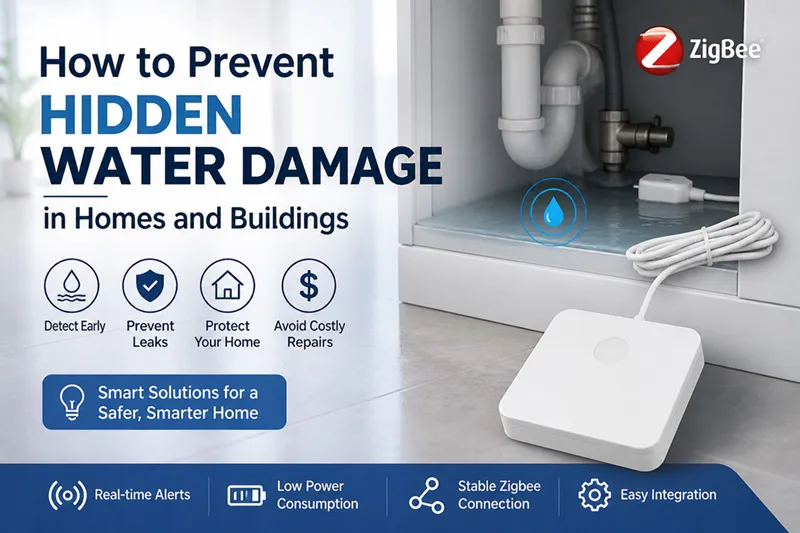
Devices such as a water leak sensor can detect moisture in real time. They are usually installed in high-risk areas. When a leak is detected, alerts can be sent immediately.
This allows users to respond quickly and prevent further damage.
Smarter Solutions for Modern Buildings
For larger homes and commercial buildings, more advanced solutions are needed. These environments often require multiple monitoring points.
Wireless technologies make this possible. They allow sensors to be placed in different locations and connected to a central system.
In many smart building applications, solutions such as a zigbee water leak sensor are used. These systems offer stable communication and low power consumption.
They also support real-time alerts and system integration.
Building a More Reliable Prevention Strategy
Preventing hidden water damage requires more than just reacting to problems. It involves planning and using the right tools.
By combining regular inspection with smart monitoring, property owners can improve safety and reduce risks.
This approach is becoming increasingly important in modern buildings.
Conclusion
Hidden water damage can cause serious problems if left unchecked. However, it can be prevented with the right strategies.
By understanding risk areas and using modern solutions, both homeowners and businesses can protect their properties.
Taking action early is the key to avoiding costly damage in the future.


























Sign in to leave a comment.