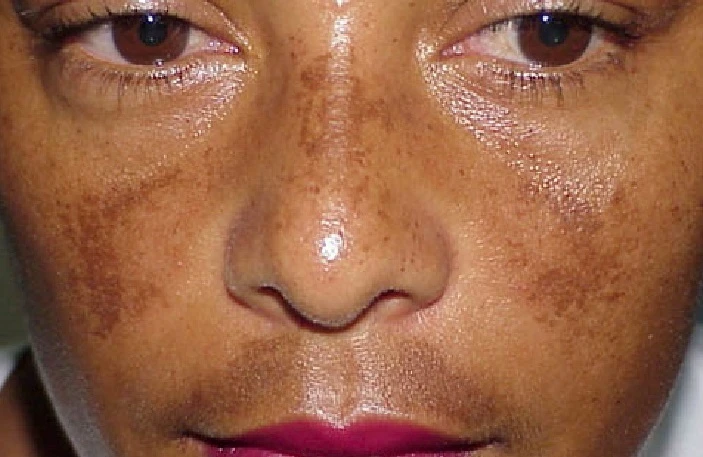

Hyperpigmentation is a common skin concern that occurs when excess melanin leads to dark patches or uneven skin tone. Several chemicals are effective in treating hyperpigmentation by inhibiting melanin production and promoting skin renewal. If you're considering an effective Hyperpigmentation Treatment in Islamabad, understanding the best chemical options can help you choose the right solution.
Top Chemicals for Hyperpigmentation Treatment
1. Hydroquinone
Hydroquinone is one of the most widely used ingredients for lightening dark spots. It works by inhibiting tyrosinase, an enzyme involved in melanin production. Available in over-the-counter and prescription strengths, hydroquinone is highly effective but should be used under dermatological supervision to avoid potential side effects like skin irritation.
2. Retinoids (Retinol and Tretinoin)
Retinoids, including retinol and tretinoin, accelerate cell turnover, helping to fade pigmentation over time. They also promote collagen production and improve overall skin texture. Regular use of retinoids, combined with sunscreen, provides visible results in reducing hyperpigmentation.
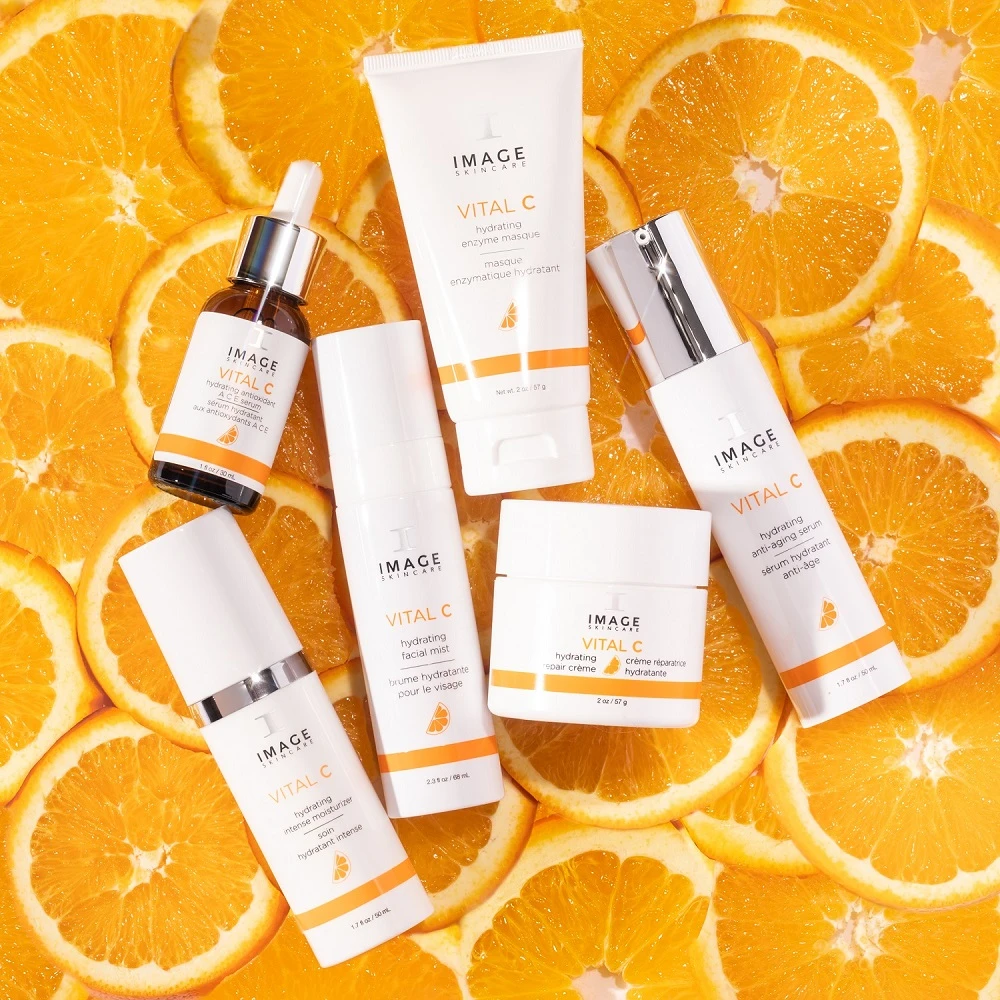
3. Vitamin C
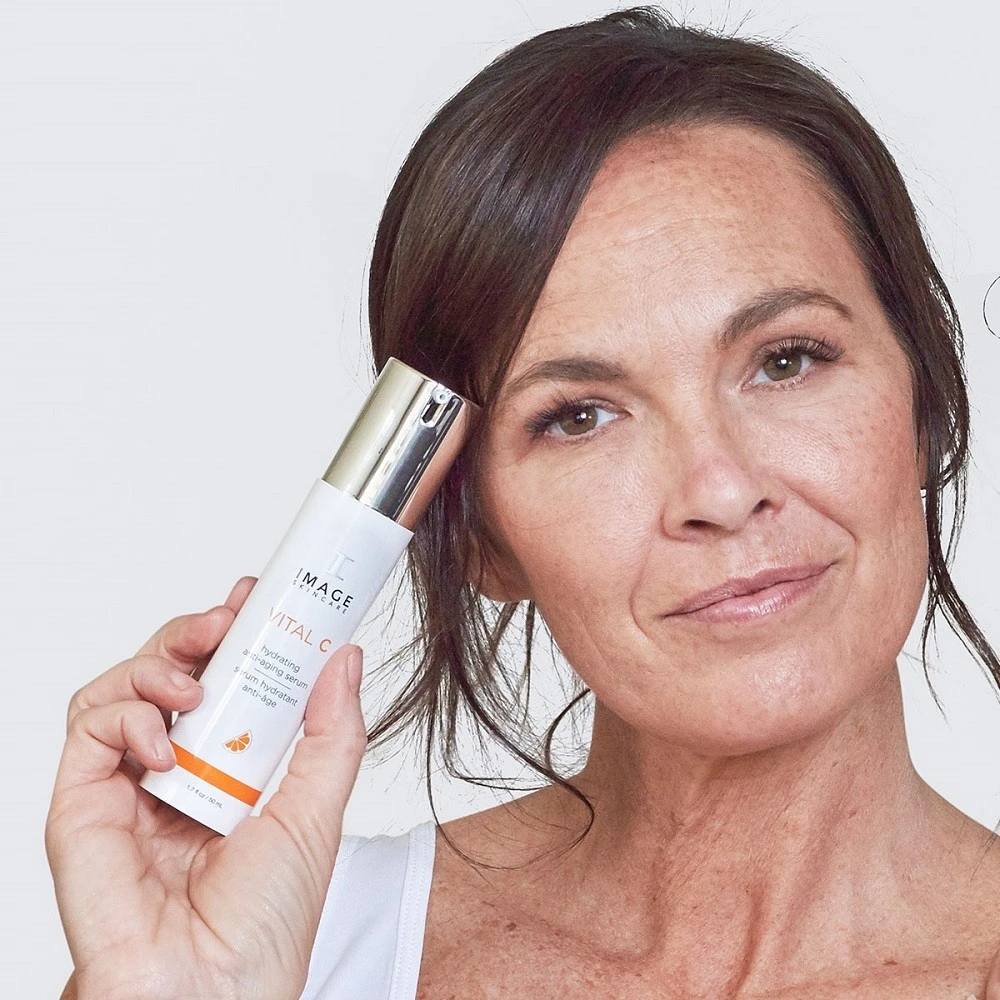
Vitamin C is a powerful antioxidant that helps brighten skin and reduce dark spots. It inhibits melanin production while protecting the skin from free radical damage caused by sun exposure and pollution. Regular use of vitamin C serums can enhance skin radiance and even out the complexion.
4. Kojic Acid
Kojic acid is derived from fungi and is known for its skin-lightening properties. It works by inhibiting tyrosinase activity, reducing melanin production. Kojic acid is often found in combination with other brightening agents like glycolic acid and hydroquinone for enhanced effects.
5. Azelaic Acid
Azelaic acid is a gentle yet effective ingredient for treating hyperpigmentation, especially in individuals with sensitive skin. It has anti-inflammatory properties and helps to prevent melanin overproduction. It is commonly used for conditions like melasma and post-inflammatory hyperpigmentation (PIH).
6. Alpha Hydroxy Acids (AHAs)
AHAs, such as glycolic acid and lactic acid, work by exfoliating the skin’s surface and promoting cell turnover. Regular exfoliation with AHAs helps fade dark spots and improves overall skin tone. These acids are commonly found in chemical peels and skincare products.
7. Niacinamide
Niacinamide, a form of vitamin B3, helps reduce hyperpigmentation by inhibiting the transfer of melanin to skin cells. It also has anti-inflammatory and moisturizing properties, making it suitable for all skin types.
8. Tranexamic Acid
Tranexamic acid is a newer ingredient gaining popularity for its ability to treat melasma and stubborn pigmentation. It works by blocking pathways that trigger melanin production, leading to visible skin brightening over time.
Choosing the Right Chemical for Your Skin
Selecting the best chemical for hyperpigmentation depends on skin type, severity of pigmentation, and individual skin tolerance. A dermatologist can recommend the most suitable treatment tailored to your needs.
Final Thoughts
Treating hyperpigmentation requires patience and the right ingredients. Whether you choose hydroquinone, vitamin C, retinoids, or AHAs, consistency is key to achieving results. For expert guidance and advanced treatments, visit Royal Cosmetic Surgery Clinic PK to explore the best solutions for your skin.











Sign in to leave a comment.