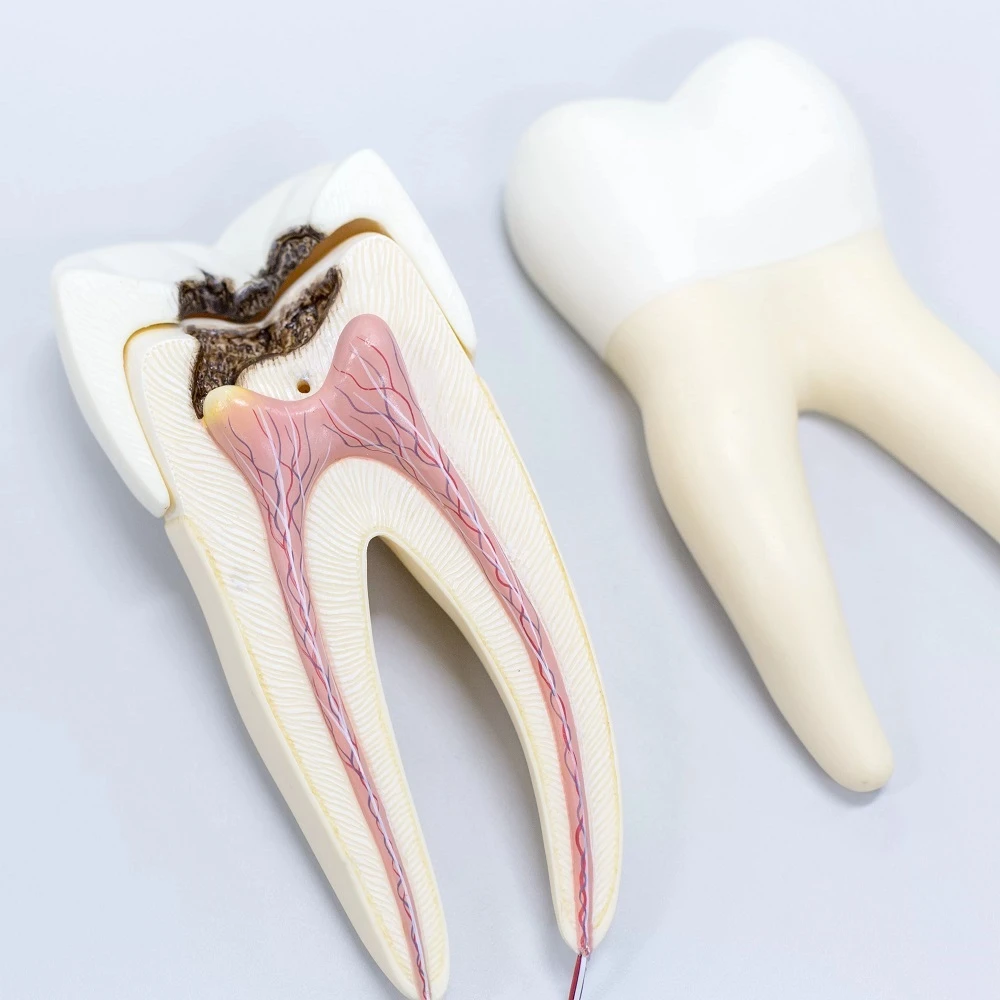

Root canal infections can be painful and require immediate attention to prevent further complications. The goal of a root canal treatment is to remove bacteria from the infected pulp, disinfect the canal, and seal it to prevent reinfection. If you are considering a Root Canal Treatment in Islamabad, understanding how bacteria are eliminated during the procedure can help you make an informed decision. In this blog, we will explore the most effective methods for killing root canal bacteria and ensuring long-term dental health.
Understanding Root Canal Infections
A root canal infection occurs when bacteria enter the tooth’s pulp, leading to inflammation and pain. This can be caused by deep cavities, repeated dental procedures, or cracks in the tooth. If left untreated, the infection can spread, leading to abscess formation and even bone loss.
How Are Root Canal Bacteria Eliminated?
1. Mechanical Cleaning and Shaping
The first step in killing root canal bacteria is mechanical debridement. During a root canal procedure, the dentist removes the infected pulp using specialized instruments. These tools help in cleaning and shaping the root canal system, ensuring that bacteria and necrotic tissue are thoroughly eliminated.
2. Sodium Hypochlorite Irrigation
Sodium hypochlorite is a widely used disinfectant in root canal treatments. It is highly effective in killing bacteria, dissolving organic tissue, and flushing out debris from the canal. This powerful solution ensures that even the most stubborn bacteria are eradicated from the tooth.
3. Chlorhexidine as an Antimicrobial Agent
Chlorhexidine is another common irrigant used in endodontic treatments. It has excellent antimicrobial properties and works well against bacteria that are resistant to sodium hypochlorite. Many dentists use chlorhexidine as an additional disinfectant to ensure maximum bacterial elimination.
4. Calcium Hydroxide Medication
Calcium hydroxide is a strong antimicrobial agent that is often used as an intracanal medication. It creates a highly alkaline environment that inhibits bacterial growth. This substance is typically placed inside the canal for a few days before the final filling is done.
5. Ozone Therapy for Bacterial Eradication
Ozone therapy has gained popularity in root canal treatments due to its strong antibacterial and antifungal properties. Ozone gas or ozonated water is introduced into the root canal to kill bacteria without causing harm to surrounding tissues.
6. Laser Disinfection
Lasers are increasingly being used in modern dentistry to disinfect root canals. Laser therapy helps eliminate bacteria from hard-to-reach areas within the root canal system. This method is particularly effective in penetrating deep into the dentinal tubules where bacteria may hide.
Post-Treatment Measures to Prevent Bacterial Growth
1. Proper Sealing of the Root Canal
Once the canal is thoroughly disinfected, it is sealed with gutta-percha to prevent bacteria from re-entering. A well-sealed root canal ensures that the infection does not recur.
2. Antibiotics for Infection Control
In cases where the infection is severe, dentists may prescribe antibiotics to help eliminate any remaining bacteria and prevent the spread of infection.
3. Good Oral Hygiene Practices
Maintaining good oral hygiene is essential to prevent reinfection. Brushing, flossing, and regular dental checkups play a crucial role in keeping your teeth healthy after a root canal treatment.
4. Strengthening the Tooth with a Crown
After a root canal, the tooth becomes brittle and may require a dental crown for added strength and protection. A crown prevents bacteria from infiltrating the tooth and extends its longevity.
Cost Considerations for Root Canal Treatment
The cost of root canal treatment in Pakistan varies depending on the severity of the infection, the complexity of the procedure, and the materials used. Investing in a high-quality root canal treatment can save you from future dental issues and expensive corrective procedures.
Conclusion
Eliminating root canal bacteria is a critical step in ensuring a successful treatment outcome. From mechanical cleaning and chemical irrigation to advanced laser therapy, multiple approaches help in thoroughly disinfecting the tooth. If you are experiencing symptoms of a root canal infection, seeking prompt treatment is essential to prevent further complications. By choosing a reliable dental clinic and following post-treatment care, you can ensure a healthy and bacteria-free tooth for years to come.
























Sign in to leave a comment.