When your home feels too hot in summer or too cold in winter, the solution usually comes down to one thing: a properly designed and maintained heating and cooling system. But behind every comfortable indoor space is a trained professional ensuring everything runs efficiently — a heating and cooling specialist.
So, what exactly does a heating and cooling specialist do, and why are they so important for homes and businesses in Australia?
What Is a Heating and Cooling Specialist?
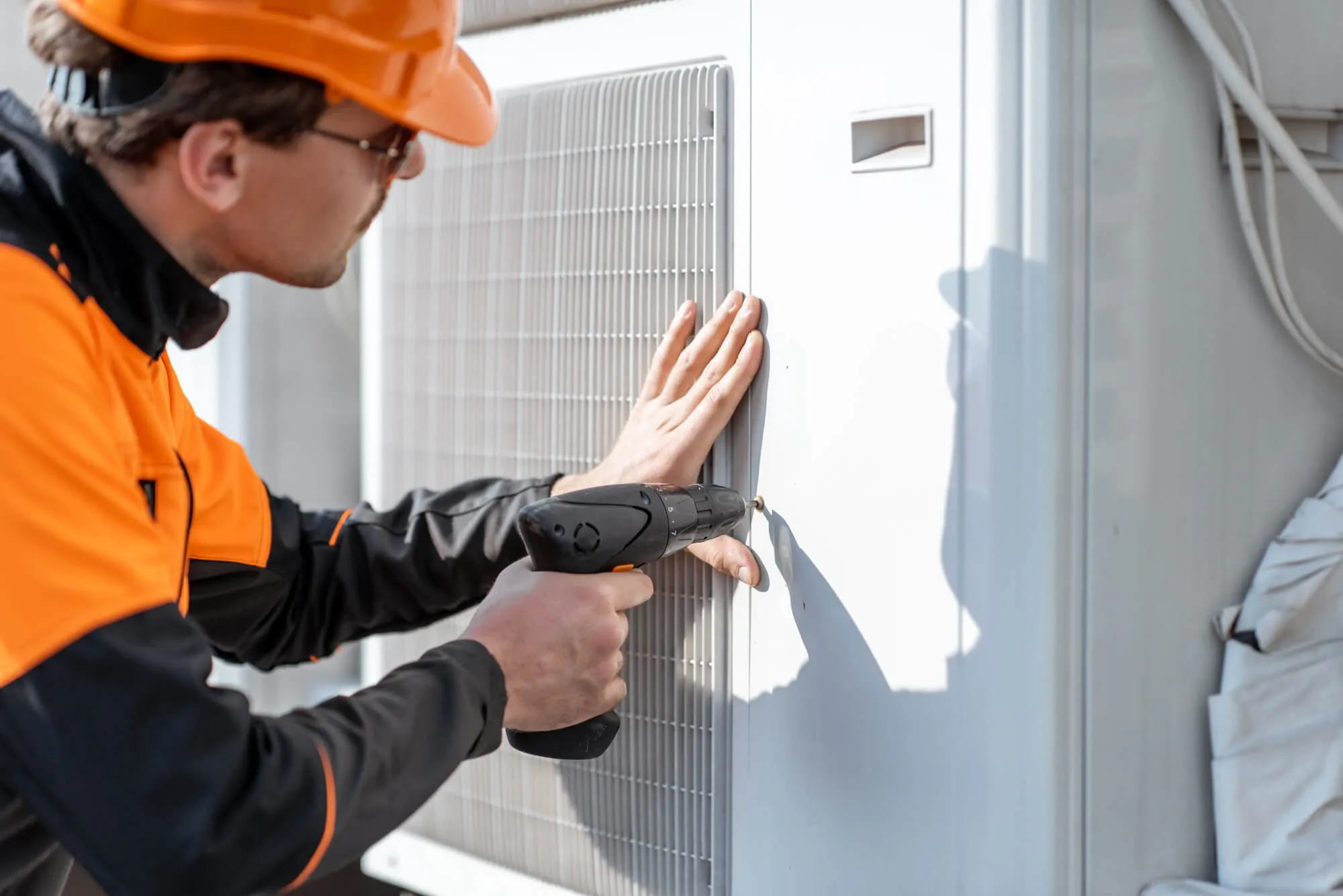
A heating and cooling specialist is a trained HVAC (Heating, Ventilation, and Air Conditioning) professional who installs, maintains, repairs, and optimises climate control systems in residential and commercial buildings.
Their job is to ensure that indoor environments remain comfortable, energy-efficient, and safe throughout the year.
In Australia, where temperatures can swing from scorching summer heat to cold winter nights, their expertise is essential for maintaining year-round comfort.
What Services Does a Heating and Cooling Specialist Provide?
A heating and cooling specialist offers a wide range of services that go beyond just installing air conditioners. Their work covers the entire lifecycle of HVAC systems.
1. System Installation
One of the core responsibilities of a heating and cooling specialist is installing new systems, including:
- Split system air conditioners
- Multi-head split systems
- Ducted heating and cooling systems
- Reverse cycle air conditioners
- Heat pumps
They assess your property layout, insulation levels, and cooling/heating needs before recommending the most suitable system.
Proper installation is critical because even the best system will underperform if installed incorrectly.
2. System Design and Sizing
Every home or building is different, so a one-size-fits-all approach doesn’t work.
A heating and cooling specialist performs load calculations to determine:
- Room size and volume
- Window placement and sunlight exposure
- Insulation quality
- Number of occupants
- Energy efficiency requirements
This ensures the system is correctly sized — not too large (wasting energy) or too small (struggling to maintain temperature).
3. Repairs and Troubleshooting
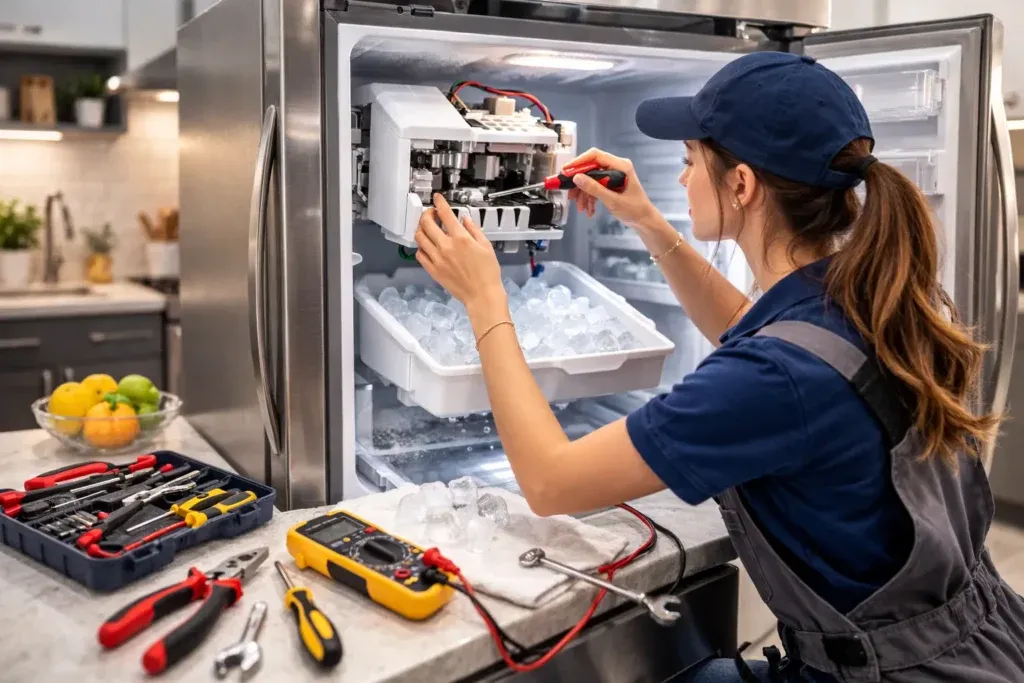
When something goes wrong with your heating or cooling system, a specialist diagnoses and fixes the issue.
Common problems they handle include:
- Air conditioner not cooling or heating properly
- Strange noises or vibrations
- Water leaks from indoor units
- Poor airflow
- Faulty thermostats
- Electrical or refrigerant issues
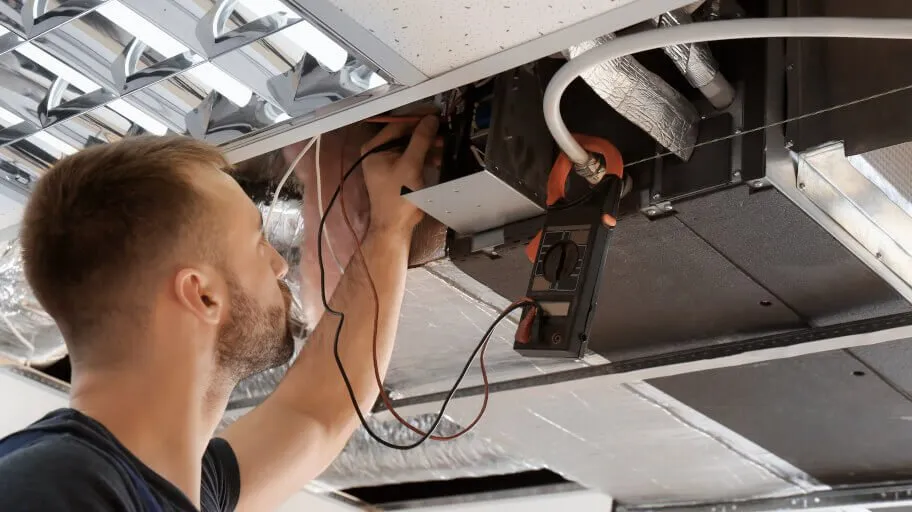
They use diagnostic tools to identify the root cause rather than just treating symptoms, which helps prevent recurring problems.
4. Regular Maintenance and Servicing
Routine maintenance is one of the most important services provided by a heating and cooling specialist.
Regular servicing typically includes:
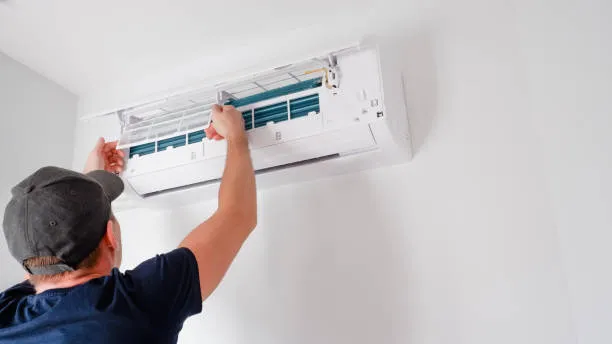
- Cleaning filters and coils
- Checking refrigerant levels
- Inspecting electrical components
- Testing system performance
- Ensuring safe operation
Well-maintained systems:
- Last longer
- Run more efficiently
- Use less energy
- Break down less often
Skipping maintenance can lead to higher energy bills and expensive repairs later on.
5. Energy Efficiency Upgrades
A modern heating and cooling specialist don’t just fix systems — they also help improve efficiency.
They may recommend:
- Upgrading to inverter technology systems
- Installing zoning controls
- Adding smart thermostats
- Replacing outdated units
- Switching to heat pumps
These upgrades help reduce electricity usage while maintaining comfort.
6. Airflow and Ventilation Improvements
Good heating and cooling aren’t just about temperature — it’s also about airflow and air quality.
Specialists assess:
- Air circulation in each room
- Vent placement
- Indoor air quality
- Humidity levels
They may suggest solutions such as improved ducting, ventilation systems, or air purification upgrades.
Why Do You Need a Heating and Cooling Specialist?
Many homeowners assume air conditioning installation is straightforward, but HVAC systems are complex. Hiring a qualified specialist ensures:
Better Performance
Correct installation and system design ensure your system runs at peak performance from day one.
Lower Energy Bills
An efficiently designed system uses less electricity, helping reduce long-term energy costs.
Fewer Breakdowns
Regular servicing prevents small issues from becoming expensive repairs.
Longer System Lifespan
Proper care and installation significantly extend the life of your equipment.
Compliance and Safety
Licensed specialists ensure all work meets Australian safety and electrical standards.
Heating vs Cooling Expertise
A heating and cooling specialist is trained to handle both sides of climate control.
Heating Systems
They work with:
- Gas heaters
- Reverse cycle air conditioning
- Heat pumps
- Ducted heating systems
Cooling Systems
They install and service:
- Split systems
- Multi-head split systems
- Ducted air conditioning
- Evaporative cooling systems
This dual expertise ensures year-round comfort solutions tailored to your property.
Common Systems a Heating and Cooling Specialist Works With
Split Systems
Ideal for single rooms or small spaces, split systems are one of the most common solutions in Australian homes.
Multi-Head Split Systems
These allow multiple indoor units to connect to a single outdoor unit, offering zoned temperature control for different rooms.
Ducted Systems
A whole-home solution that distributes air through ducts in ceilings or floors.
Reverse Cycle Systems
These provide both heating and cooling in one energy-efficient system.
Heat Pumps
Highly efficient systems that extract heat from the air to warm water or indoor spaces.
When Should You Call a Heating and Cooling Specialist?
You should contact a professional if you notice:
- Uneven temperatures across rooms
- Rising electricity bills without explanation
- Strange noises from your system
- Weak airflow or poor cooling
- Unpleasant smells from vents
- System not turning on or off properly
Early intervention can prevent costly breakdowns and system failures.
How a Heating and Cooling Specialist Helps with Energy Efficiency
Energy efficiency is one of the biggest concerns for Australian households. A specialist can help you reduce consumption through:
- Proper system sizing
- Inverter technology recommendations
- Zoning systems for targeted cooling/heating
- Smart thermostat installation
- Regular system tuning
Even small improvements in system efficiency can lead to noticeable savings on energy bills over time.
Residential vs Commercial Work
Heating and cooling specialists work across both residential and commercial environments.
Residential Services
- Home air conditioning installation
- Repairs and servicing
- System upgrades
- Energy efficiency improvements
Commercial Services
- Office HVAC systems
- Retail store climate control
- Restaurant ventilation systems
- Large-scale ducted installations
Commercial systems often require more complex design and load management.
Choosing the Right Heating and Cooling Specialist
When selecting a specialist, look for:
- Proper licensing and certifications
- Experience with your type of system
- Positive customer reviews
- Transparent pricing
- Warranty on workmanship
- Local knowledge (especially for climate conditions)
A reliable specialist doesn’t just install equipment — they provide long-term support and system optimisation.
Final Thoughts
A heating and cooling specialist play a crucial role in keeping homes and businesses comfortable, efficient, and safe throughout the year. From installation and system design to maintenance, repairs, and energy-saving upgrades, their expertise ensures your HVAC system performs at its best.
In a country like Australia, where weather conditions can be extreme, having a trusted specialist is not just a convenience — it’s a necessity. Whether you're upgrading your system, fixing a fault, or looking to improve energy efficiency, the right professional can make a significant difference in comfort, cost savings, and long-term reliability.
























Sign in to leave a comment.