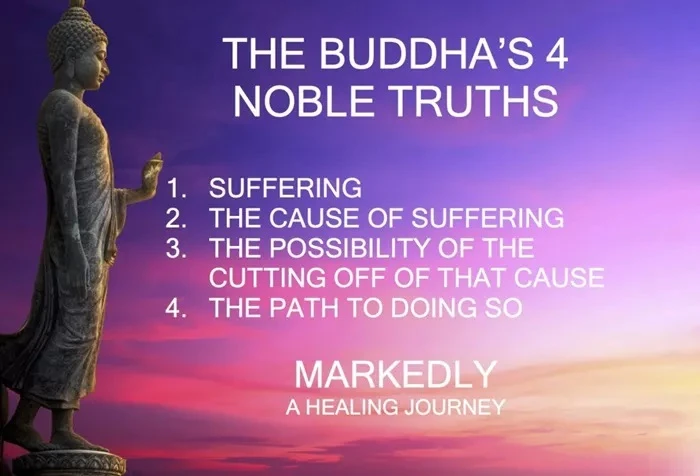

The Four Noble Truths are the foundation of Buddhist teachings. They were taught by the Buddha after his enlightenment as a way to understand life’s suffering and how to end it. These truths explain the nature of suffering and the path to freedom from it. But many wonder, what does the Four Noble Truths end with? This question is important because it points to the ultimate goal of Buddhist practice.
The Four Noble Truths: A Simple Overview
First Noble Truth: The Truth of Suffering (Dukkha)
The first truth states that life involves suffering. This suffering includes obvious pain, like sickness and loss, but also subtle dissatisfaction and unease. Understanding this truth means recognizing that suffering is a natural part of existence.
Second Noble Truth: The Cause of Suffering (Samudaya)
The second truth explains that suffering comes from craving or attachment. When we desire things that we cannot keep, or want life to be different from what it is, suffering arises.
Third Noble Truth: The End of Suffering (Nirodha)
The third truth teaches that suffering can end. This means it is possible to be free from craving and attachment, and thus free from suffering. This state of freedom is called Nirvana.
Fourth Noble Truth: The Path to End Suffering (Magga)
The fourth truth outlines the way to end suffering. This is the Noble Eightfold Path, a guide for ethical living, mental discipline, and wisdom. Following this path leads to the cessation of suffering and the experience of true peace.
What the Four Noble Truths End With: The Final Goal
The End Point Is Nirvana
The Four Noble Truths end with the possibility and reality of ending suffering. This final goal is called Nirvana, which means “blowing out” or “extinguishing.” It refers to the extinction of the fires of desire, hatred, and ignorance that cause suffering.
When one realizes Nirvana, one is free from all suffering, rebirth, and the cycle of death and rebirth (samsara). This is the ultimate peace and freedom.
Nirvana Is Not Just an Idea but an Experience
Nirvana is often misunderstood as a place or a heaven. Instead, it is a state of mind beyond all suffering and limitations. It is achieved by deeply understanding and practicing the Four Noble Truths.
The Role of the Noble Eightfold Path
The path ending the Four Noble Truths is the practical method for reaching Nirvana. It includes:
Right View
Right Intention
Right Speech
Right Action
Right Livelihood
Right Effort
Right Mindfulness
Right Concentration
Walking this path transforms the practitioner and ends suffering step by step, eventually leading to the full realization of the Four Noble Truths.
The Four Noble Truths Symbol and Its Meaning
The four noble truths symbol is often represented by the Dharma Wheel (Dharmachakra). This wheel has eight spokes symbolizing the Noble Eightfold Path. The circle stands for the completeness and perfection of the Buddha’s teachings.
Each part of the symbol reminds practitioners of the path that ends suffering. It also shows how the Four Noble Truths are interconnected — understanding suffering, its cause, its end, and the path to that end.
The Importance of the Four Noble Truths in Buddhism as a Religion
Foundation of Buddhist Practice
The Four Noble Truths are the core of Buddhist philosophy and religion. They explain why life includes suffering and how to overcome it. Every Buddhist practice, from meditation to ethical behavior, is built upon these truths.
Universal Relevance
The four noble truths religion teaches that all beings face suffering. However, it also offers a universal way to end that suffering. This makes Buddhism a path open to everyone, regardless of culture or background.
Encouraging Self-Discovery and Wisdom
The Four Noble Truths do not demand blind faith. Instead, they invite personal exploration and experience. The end of the Four Noble Truths points to awakening through wisdom and mindful living.
How to Practice to Reach the End of the Four Noble Truths
Understanding the Truths Deeply
The first step is to study and reflect on the Four Noble Truths. This understanding helps to see clearly how suffering arises in one’s own life.
Applying the Noble Eightfold Path
Following the path is essential. Practicing right speech, right action, and right livelihood helps reduce harm to oneself and others. Developing right effort, mindfulness, and concentration strengthens the mind.
Developing Compassion and Wisdom
Compassion towards others and wisdom about the nature of reality are important qualities on the path. They help reduce selfish cravings and attachment.
Experiencing Liberation
With continued practice, the mind becomes free from the causes of suffering. This leads to the experience of Nirvana, which is the true end of the Four Noble Truths.
Conclusion
In summary, the Four Noble Truths end with the realization of Nirvana, the end of suffering and the cycle of rebirth. They provide a clear and practical path for anyone willing to understand and practice them sincerely.
By following the Noble Eightfold Path, we move toward this freedom step by step. The Four Noble Truths are not just a teaching but a lived experience leading to peace, happiness, and liberation from all pain.































Sign in to leave a comment.