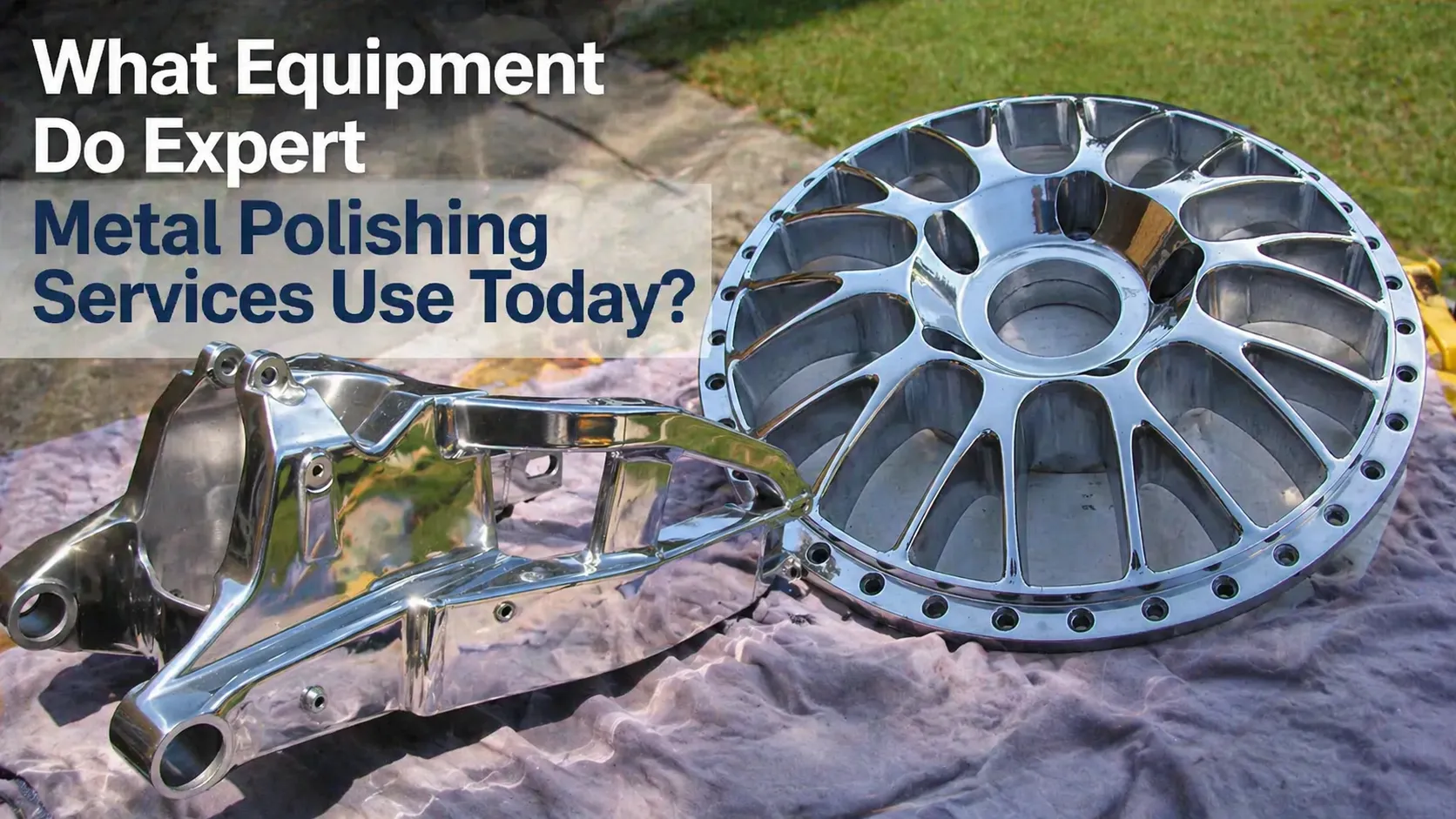

When you look at a perfectly polished metal surface, it is easy to assume the result comes from simple buffing and a bit of effort. In reality, modern metal polishing is a precise craft that combines advanced tools, specialized compounds, and expert techniques. Whether it is automotive detailing, industrial components, or decorative finishes, professional polishing services rely on a wide range of equipment to deliver consistent, high-quality results.
If you have ever wondered what goes on behind the scenes at a professional workshop like Abel Metal Polishing Service, this guide will walk you through the essential tools, technologies, and innovations shaping metal polishing today.
Why Modern Metal Polishing Requires Specialized Equipment
Metal polishing is not just about making something shiny. It involves:
- Removing imperfections such as scratches, oxidation, and corrosion
- Refining surface texture for uniformity
- Enhancing durability and resistance
- Achieving specific finishes like mirror, satin, or brushed
To accomplish all of this, professionals use a combination of mechanical, chemical, and precision-based equipment. Each tool serves a specific purpose in the polishing process.
Core Equipment Used by Expert Metal Polishing Services
1. Industrial Bench Grinders and Polishers
These are the backbone of any professional metal polishing setup.
What they do:
- Rotate polishing wheels at high speeds
- Allow consistent pressure application
- Enable multiple stages of polishing
Why experts use them:
Bench grinders provide control and efficiency, making them ideal for shaping and initial polishing stages.
2. Buffing Machines
Buffing machines are designed specifically for achieving smooth and reflective finishes.
Types include:
- Stationary buffing machines
- Handheld rotary buffers
- Automatic buffing systems
Key benefit:
They help achieve a mirror-like finish by using soft wheels combined with polishing compounds.
3. Polishing Wheels and Mops
Not all polishing wheels are the same. Experts use different types depending on the material and desired finish.
Common varieties:
- Cotton wheels for fine polishing
- Sisal wheels for aggressive cutting
- Felt wheels for precision work
Each wheel is paired with specific compounds to achieve the best results.
4. Abrasive Belts and Sanding Machines
Before polishing begins, surfaces often require preparation.
Used for:
- Removing deep scratches
- Smoothing rough surfaces
- Shaping metal components
Equipment includes:
- Belt sanders
- Orbital sanders
- Disc grinders
This stage is critical because polishing cannot hide major imperfections.
5. Polishing Compounds and Pastes
These are just as important as the machines themselves.
Types of compounds:
- Cutting compounds for removing defects
- Intermediate compounds for smoothing
- Finishing compounds for shine
Common materials:
- Aluminum oxide
- Diamond paste
- Chromium oxide
Professionals carefully select compounds based on the metal type such as stainless steel, aluminum, brass, or copper.
6. Ultrasonic Cleaning Machines
After polishing, surfaces must be cleaned thoroughly.
How they work:
- Use high-frequency sound waves
- Remove microscopic debris and residues
- Reach complex shapes and hard-to-access areas
Why they matter:
They ensure the final finish is clean, flawless, and ready for use or coating.
7. Dust Extraction Systems
Metal polishing generates fine particles that can be harmful.
Purpose:
- Maintain a clean workspace
- Protect workers from inhaling dust
- Improve visibility and efficiency
Professional setups always include high-quality extraction systems for safety and compliance.
8. Hand Tools for Detail Work
Even with advanced machinery, human skill remains essential.
Examples:
- Hand polishers
- Micro-abrasive tools
- Detail brushes
These tools allow professionals to work on intricate designs, edges, and delicate components.
Advanced Technologies Shaping Metal Polishing Today
Robotic Polishing Systems
Robots are increasingly being used in large-scale operations.
Advantages:
- High precision
- Consistent pressure and motion
- Ideal for repetitive tasks
Eco-Friendly Polishing Solutions
Sustainability is becoming a priority.
Modern trends include:
- Water-based polishing compounds
- Reduced chemical usage
- Energy-efficient machines
How Professionals Choose the Right Equipment
Experts do not use the same tools for every job. Their choices depend on:
- Type of metal
- Condition of the surface
- Desired finish
- Project scale
- Industry requirements
For example, polishing a stainless steel kitchen sink requires a completely different approach than restoring a vintage car part.
The Step-by-Step Polishing Process Using Modern Equipment
- Inspection
Identify defects and determine the required finish - Surface Preparation
Use sanding and abrasive tools to smooth the surface - Cutting Stage
Apply aggressive compounds with harder wheels - Intermediate Polishing
Refine the surface using softer abrasives - Final Buffing
Achieve the desired shine with fine compounds - Cleaning
Use ultrasonic or manual cleaning methods - Finishing Touches
Apply protective coatings if needed
Industries That Rely on Professional Metal Polishing
Modern equipment allows polishing services to cater to various industries:
- Automotive restoration and detailing
- Construction and architectural finishes
- Food and beverage equipment
- Medical and pharmaceutical tools
- Marine and aerospace components
Each industry has unique requirements, making advanced equipment essential.
Benefits of Using Professional Metal Polishing Equipment
Choosing expert services with modern tools offers several advantages:
- Superior finish quality
- Longer-lasting results
- Improved corrosion resistance
- Enhanced product value
- Time and cost efficiency
Common Mistakes Avoided by Experts
Professionals avoid errors that can damage metal surfaces:
- Using incorrect polishing compounds
- Applying excessive pressure
- Skipping preparation stages
- Overheating the metal
- Using worn-out polishing wheels
Proper equipment and expertise prevent these issues.
FAQs
1. What is the most important tool in metal polishing?
There is no single most important tool. A combination of polishing machines, compounds, and wheels is required for the best results.
2. Can metal polishing be done without machines?
Yes, but it is time-consuming and less effective. Professional machines ensure consistency and higher quality finishes.
3. What type of polishing wheel should be used for stainless steel?
Cotton and felt wheels are commonly used along with appropriate polishing compounds.
4. How do professionals achieve a mirror finish?
They use multiple stages of polishing with progressively finer compounds and softer wheels.
5. Are modern polishing methods environmentally friendly?
Many services now use eco-friendly compounds and efficient machines to reduce environmental impact.
6. How long does professional metal polishing take?
The time varies based on the size, condition, and type of metal being polished.
Final Thoughts
Metal polishing has evolved far beyond simple buffing techniques. Today, it is a highly specialized process supported by advanced equipment, innovative technologies, and skilled craftsmanship. From industrial machines to precision hand tools, every piece of equipment plays a vital role in achieving flawless results.
If you want durable, high-quality finishes that truly stand out, choosing a professional service with modern tools is the smartest investment.
Want your metal surfaces to look brand new again? Discover how expert polishing can transform dull, worn-out metal into a flawless, mirror-like finish that instantly elevates its value.



























Sign in to leave a comment.