
The Old Testament is not a single literary composition but a carefully preserved collection of texts written across centuries, cultures, and historical circumstances. One of its most distinctive features is the wide range of literary genres it contains. These genres shape how meaning is communicated, how theology is expressed, and how the faith and experiences of ancient Israel are recorded. Understanding the genres that appear in Old Testament books is essential for accurate interpretation and theological clarity.
Each genre serves a unique purpose, addressing law, history, worship, wisdom, prophecy, and human emotion. Rather than presenting belief in one uniform style, the Old Testament communicates divine truth through storytelling, poetry, instruction, reflection, and symbolic vision. This diversity allows the text to engage the intellect, emotions, and spiritual imagination of its audience.
Narrative Literature in the Old Testament
Historical Narrative as Sacred Memory
Historical narrative occupies a large portion of the Old Testament and forms the backbone of Israel’s story. Books such as Genesis, Exodus, Joshua, Judges, Samuel, and Kings recount events ranging from creation and patriarchal history to monarchy and exile. These narratives are not neutral historical records but theological accounts shaped to reveal divine purpose.
Narrative genre emphasizes characters, conflict, and resolution. Events are selected and arranged to highlight themes such as covenant faithfulness, divine promise, human failure, and redemption. Through narrative, the Old Testament portrays how divine action unfolds within human history.
Genealogies and Identity Formation
Embedded within narrative books are genealogies that trace family lines and tribal relationships. These texts reinforce identity, continuity, and covenant legitimacy. Genealogies connect generations to divine promises and demonstrate how history is understood as purposeful rather than random.
Though often brief, genealogies function as a supporting genre that anchors narrative theology in communal memory.
Legal Literature and Covenant Instruction
Law as Sacred Instruction
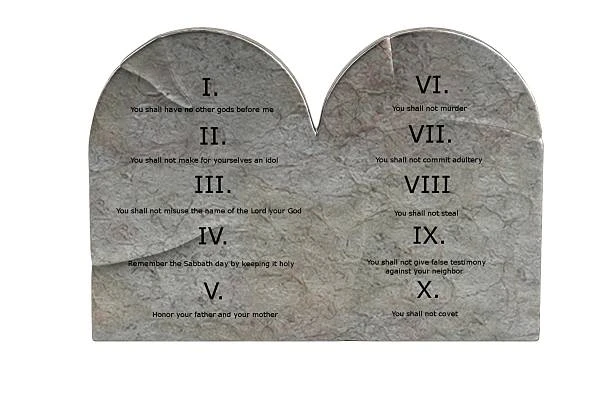
Legal literature is central to the Old Testament, especially in Exodus, Leviticus, Numbers, and Deuteronomy. These books contain laws governing worship, morality, social justice, and daily life. Law is presented not merely as regulation but as covenant instruction.
The legal genre emphasizes divine authority and ethical responsibility. Laws are framed within the context of relationship, reminding Israel that obedience flows from covenant commitment rather than fear alone.
Case Law and Ethical Application
Many legal passages are written as case laws, addressing specific situations and appropriate responses. This format demonstrates how divine principles are applied to real-life scenarios, including economic matters, family relationships, and community responsibilities.
Through legal genre, the Old Testament communicates that faith is lived out through just and compassionate action.
Poetic Literature and Sacred Expression
Poetry as Worship and Reflection
Poetry is one of the most emotionally expressive genres in the Old Testament. Books such as Psalms, Lamentations, and portions of prophetic writings rely heavily on poetic structure. Hebrew poetry uses parallelism, metaphor, and imagery rather than rhyme to convey meaning.
Poetic genre allows space for praise, lament, thanksgiving, and trust. It captures both individual and communal responses to divine presence and human suffering.
The Psalms and Varied Poetic Forms
The Book of Psalms contains multiple poetic sub-genres, including hymns of praise, laments, royal psalms, and wisdom psalms. Each serves a distinct purpose within worship and devotion.
Through poetry, the Old Testament legitimizes emotional honesty and spiritual intimacy.
Wisdom Literature and Reflective Thought
Wisdom as the Art of Living Well
Wisdom literature forms a distinct genre within the Old Testament, represented by books such as Proverbs, Job, and Ecclesiastes. These texts focus on moral insight, human limitation, and the pursuit of understanding rather than historical events.
Wisdom genre explores how divine order interacts with everyday experience. It raises questions about suffering, justice, work, and meaning, encouraging thoughtful reflection rather than simple answers.
Instruction and Observation
Proverbs presents concise sayings that convey practical guidance. Job wrestles with undeserved suffering, while Ecclesiastes reflects on the fleeting nature of life. Together, these works show that faith includes questioning, contemplation, and humility.
Wisdom literature enriches the Old Testament by engaging the intellect alongside devotion.
Prophetic Literature and Divine Communication
Prophecy as Warning and Restoration
Prophetic books such as Isaiah, Jeremiah, Ezekiel, and the Twelve Minor Prophets represent a powerful genre centered on divine communication. Prophets deliver messages that confront injustice, warn of consequences, and announce hope.
Prophetic genre often blends poetry, narrative, and symbolic action. Its purpose is not prediction alone but moral transformation and covenant renewal.
Oracles and Symbolic Language
Prophetic writings frequently include oracles, visions, and symbolic imagery. These literary tools intensify emotional impact and theological urgency.
Through prophecy, the Old Testament portrays divine authority as deeply concerned with ethical behavior and communal responsibility.
Apocalyptic Elements in the Old Testament
Apocalyptic Vision and Cosmic Perspective
Apocalyptic genre appears primarily in the book of Daniel and selected prophetic passages. This genre uses visions, symbolism, and cosmic imagery to affirm divine sovereignty over history.
Apocalyptic literature often emerges during periods of crisis, offering hope by revealing that present suffering is temporary within a larger divine plan.
Symbolism and Interpretation
Apocalyptic texts rely heavily on symbolic language involving numbers, beasts, and heavenly beings. These symbols convey theological truths rather than literal descriptions.
This genre expands the Old Testament’s scope by addressing fear, endurance, and ultimate restoration.
Lament and Expressions of Grief
Lament as Faithful Expression
Lament is a significant genre within the Old Testament, particularly in Psalms and Lamentations. It provides language for grief, protest, and confusion while maintaining trust in divine justice.
Lament demonstrates that honest struggle is compatible with faith and that suffering is acknowledged rather than silenced.
Structure and Theological Purpose
Laments often follow a structured pattern that includes complaint, petition, and affirmation of trust. This structure guides emotional expression toward hope.
By preserving lament, the Old Testament affirms that faith encompasses sorrow as well as joy.
Liturgical Texts and Sacred Songs
Worship and Ritual Literature
Some Old Testament passages function as liturgical texts, including songs, blessings, and ritual instructions. These texts shape communal worship and reinforce collective identity.
Liturgical genre emphasizes repetition, memory, and participation, integrating belief into daily and seasonal practices.
Worship as Theology in Action
Through liturgical texts, the Old Testament demonstrates that theology is not only spoken but enacted through worship and ritual life.
Conclusion: Genre as a Key to Understanding the Old Testament
The Old Testament contains a remarkable range of literary genres, each contributing to its theological depth and enduring relevance. Narrative, law, poetry, wisdom, prophecy, apocalyptic vision, lament, and liturgy work together to communicate divine truth across time and culture.
Recognizing these genres allows for more faithful interpretation and deeper appreciation of the Old Testament. Each genre invites a distinct way of listening, whether through reflection, obedience, worship, or hope. Together, they form a rich literary and spiritual tapestry that continues to shape religious thought and understanding.




























Sign in to leave a comment.