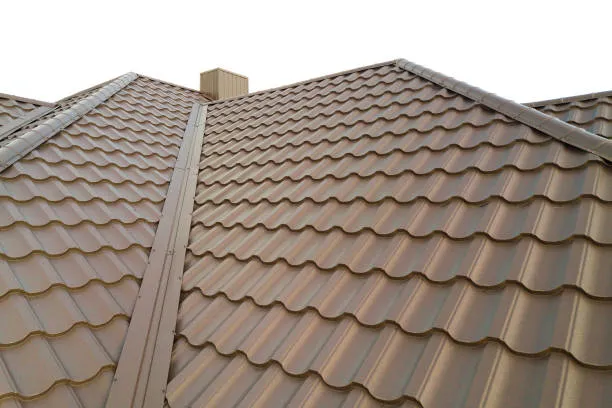

A full roof replacement is one of the most significant upgrades a homeowner can undertake—but it’s also one of the least understood. For many, the process feels overwhelming: timelines, materials, disruptions, and decisions all come into play at once. What most homeowners don’t see, however, is the structured approach that a professional roofing service follows behind the scenes to make the entire process efficient and predictable.
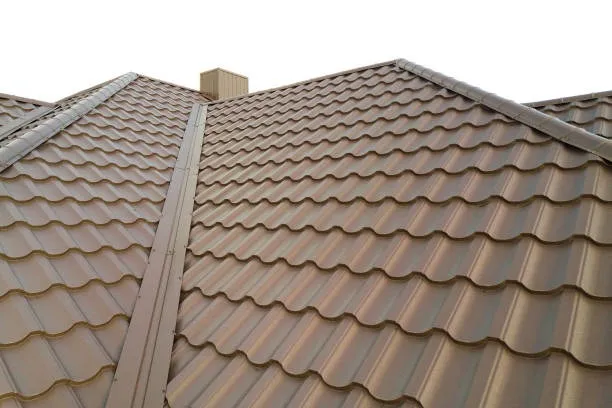
Whether you’re replacing an aging system or considering residential metal roofing in Victoria, BC, understanding how professionals manage a full roof replacement can bring clarity and confidence to your decision. This guide walks you through why replacements are necessary, how to prepare, and what actually happens during each stage of the project—so you know exactly what to expect.
Why Roof Replacement Is Necessary
Roof replacement is rarely a spontaneous decision. In most cases, it’s the result of gradual wear or recurring issues that signal deeper problems.
Over time, roofing materials deteriorate due to exposure to moisture, temperature changes, and other environmental factors. Small issues like missing shingles or minor leaks can often be repaired, but when these problems become frequent or widespread, a complete replacement becomes the more practical solution.
Homeowners typically consider a roof replacement when:
- The roof has reached the end of its lifespan: most traditional roofing materials last 15 to 25 years. Beyond that, performance declines rapidly.
- Recurring repairs are becoming costly: If repairs are needed every season, the accumulated cost may exceed the value of replacing the roof entirely.
- There are signs of structural damage: Water infiltration, sagging areas, or interior moisture issues often indicate underlying structural concerns.
- Energy efficiency is declining: Older roofs may no longer provide adequate insulation, leading to higher energy bills.
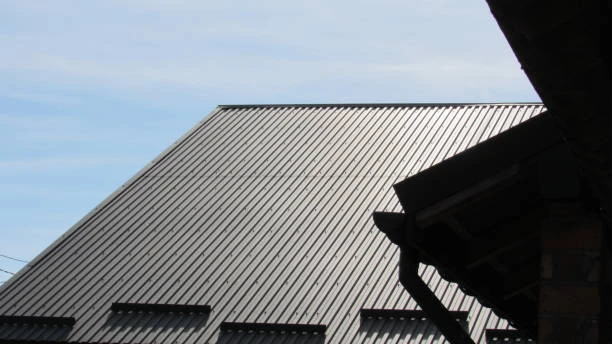
Switching to modern systems, such as residential metal roofing during replacement, can also improve durability and reduce long-term maintenance.
How to Prepare for Roof Replacement
Preparation is crucial to ensuring a roofing project runs smoothly. Professional roofing services guide homeowners through this stage to minimize disruption and avoid unexpected delays.
Before installation begins, homeowners should focus on a few key preparations:
- Clear the surrounding area: Vehicles, patio furniture, and fragile items should be moved away from the home to allow safe access for the crew.
- Protect interior belongings: Vibrations during installation may affect items inside the home, especially in attic spaces. Securing valuables helps prevent accidental damage.
- Discuss timelines and expectations: A reliable residential roofing service will outline the project schedule, expected duration, and any potential disruptions.
- Understand material choices: Choosing the right material—whether asphalt or metal—affects both installation time and long-term performance.
Proper preparation ensures that the project begins on the right footing and proceeds without unnecessary complications.
The Roof Replacement Process: Step-by-Step
A full roof replacement follows a structured sequence designed to ensure durability, safety, and efficiency. While every project may vary slightly, most professional roofing companies follow a consistent approach.
Step 1. Initial Inspection and Planning
The process begins with a thorough inspection of the existing roof. Contractors evaluate structural integrity, identify problem areas, and determine the scope of work required.
Step 2. Removal of Existing Roofing Materials
Old materials are carefully removed to expose the roof deck. This step is essential for identifying hidden damage and preparing a clean surface for installation.
Step 3. Roof Deck Preparation
Once the old roof is removed, the deck is inspected and repaired if necessary. This ensures a solid foundation for the new roofing system.
Step 4. Installation of Underlayment
A protective underlayment is installed to provide an additional barrier against moisture and improve overall insulation.
Step 5. Roof Installation
The chosen roofing material is installed in accordance with the manufacturer's specifications. In roof installations using metal systems, precise alignment and fastening are critical for long-term performance.
Step 6. Flashing and Finishing Details
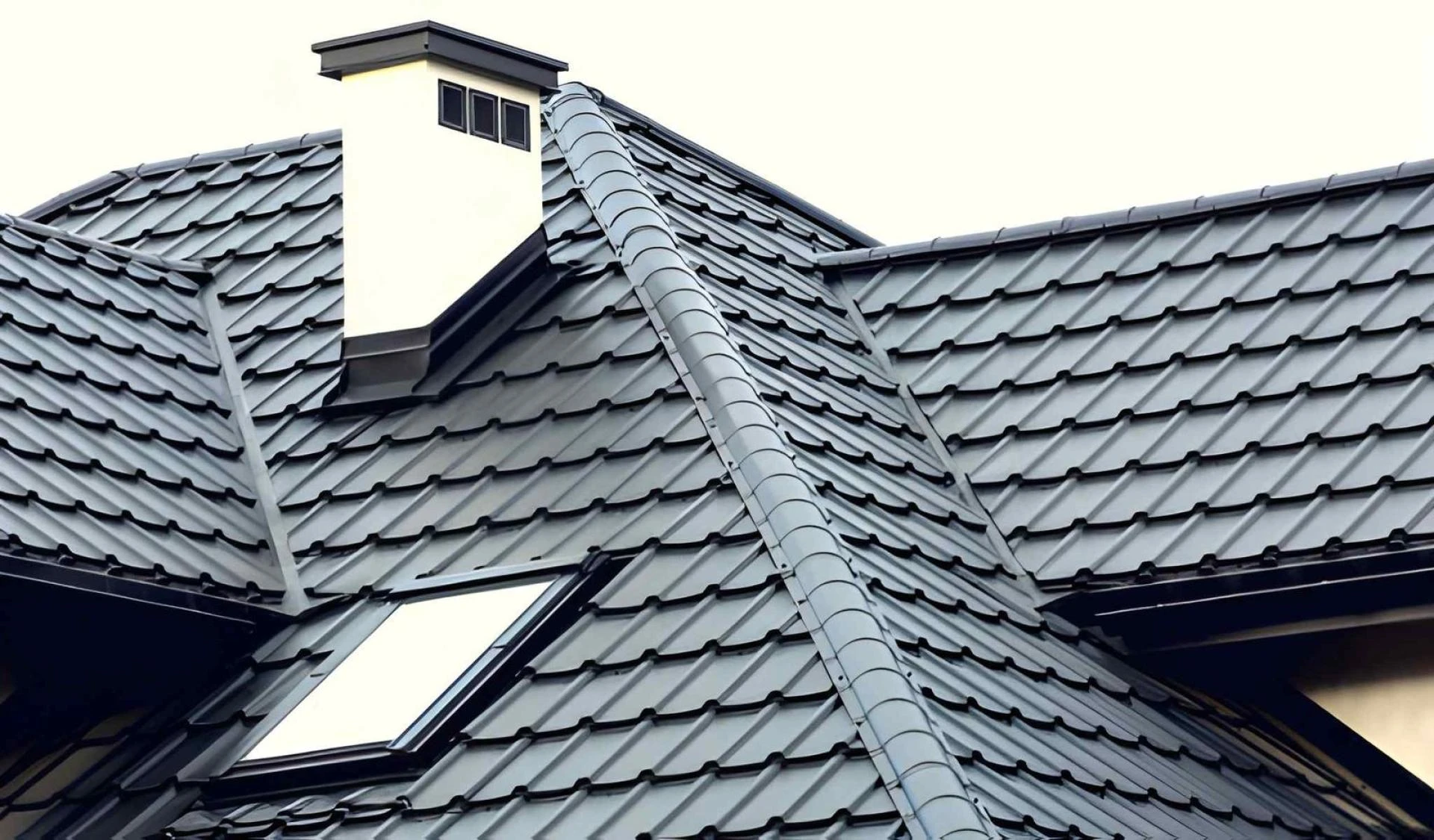
Flashing is installed around edges, vents, and chimneys to prevent water intrusion. Final adjustments ensure the roof is sealed and secure.
Step 7. Cleanup and Final Inspection
After installation, the site is cleaned thoroughly. A final inspection ensures the roof meets quality standards and is ready to perform as intended.
What to Expect on the First Day of Roof Replacement
The first day of a roof replacement project often sets the tone for the entire process. Homeowners can expect a coordinated effort from the roofing team, beginning with site setup and safety preparations.
Crews typically start by organizing equipment, protecting landscaping, and preparing the work area. The removal of old roofing materials often begins on the same day, which can be noisy but is necessary for efficient progress.
Professional roofing repair companies prioritize safety during this stage, ensuring debris is handled carefully and the site remains organized throughout the project.
Post-Replacement Considerations
Once the roof replacement is complete, homeowners enter a new phase focused on maintenance and long-term performance.
Key considerations include:
- Routine Inspections: Periodic inspections help identify minor issues before they become major concerns.
- Understanding Warranty Coverage: Homeowners should review warranties provided by the contractor and manufacturer.
- Maintaining Gutters and Drainage Systems: Proper drainage supports the new roof's performance and prevents water buildup.
- Monitoring Energy Efficiency Improvements: New roofing systems often improve insulation, resulting in noticeable changes in energy use.
By following these steps, homeowners can maximize the lifespan and performance of their new roofing system.
How Does a Professional Roofing Service Ensure a Systematic Roof Replacement in Victoria, BC
In regions like Victoria, BC, where coastal conditions influence roofing performance, the importance of a structured approach becomes even more evident. Professional contractors understand that moisture, wind, and temperature changes require careful planning and execution.
Experienced providers—such as Ironwood Shake & Tile—are known for delivering well-organized replacement projects by focusing on:
- Detailed Planning Before Installation: Each project begins with a clear plan that considers structural conditions, material choices, and environmental factors.
- Use of High-Quality Materials: Durable materials, particularly in residential metal roofing, are selected to withstand local weather conditions.
- Skilled Installation Teams: Experienced crews ensure precision during installation, reducing the risk of future issues.
- Clear Communication with Homeowners: Transparent timelines and regular updates keep homeowners informed throughout the process.
- Commitment to Long-Term Performance: The goal is not just to complete the project but to deliver a roofing system that performs reliably for decades.
For homeowners seeking dependable results, working with a well-organized roofing service makes a significant difference.
The Bottom Line
A full roof replacement is more than a construction project—it’s a carefully managed process designed to protect your home for years to come. From initial inspection to final cleanup, professional roofing services follow a structured approach that ensures every step is handled with precision.
Understanding how these projects are managed helps homeowners feel more confident in their decisions and better prepared for the process ahead. Whether upgrading to residential metal roofing or replacing an aging system, the right team can turn a complex project into a smooth and predictable experience.
If you’re considering a roof replacement and want a solution built for long-term performance, connecting with experienced professionals—like the team at Ironwood Shake & Tile—can help you move forward with confidence.
FAQs
1. How long does it take to replace a roof?
Most residential roof replacements take 2 to 5 days, depending on roof size, complexity, and weather conditions.
2. How do roofing services handle full roof replacement projects?
They follow a structured process that includes inspection, removal of old materials, preparation of the roof deck, installation, and a final inspection to ensure quality.
3. Is residential metal roofing better than traditional materials?
Metal roofing offers a longer lifespan, greater durability, and lower maintenance than many traditional options.
4. Can homeowners stay in the house during roof replacement?
Yes, although there may be noise and minor disruptions during the installation process.
5. When should I contact roofing repair companies instead of replacing the roof?
If the damage is minor and localized, repairs may be sufficient. However, widespread issues often require full replacement.
























Sign in to leave a comment.