
Getting tested for sexually transmitted diseases can feel intimidating, especially if it’s your first time. Many people avoid scheduling an appointment simply because they don’t know what to expect during an STD Test. The good news is that STD testing is usually quick, simple, confidential, and often painless.
Whether you’re experiencing symptoms, starting a new relationship, or simply prioritizing your health, understanding the testing process can help reduce anxiety and make the experience much easier.
In this guide, we’ll walk you through exactly what happens during an STD Test, the different types of tests available, how to prepare, and why routine testing is one of the smartest decisions you can make for your long-term health.
Why STD Testing Matters
Sexually transmitted diseases are incredibly common in the United States. Millions of new infections are diagnosed every year, and many people don’t even realize they have one because symptoms are often mild or completely absent.
Routine STD Test screenings are important because they help:
- Detect infections early
- Prevent complications
- Protect sexual partners
- Reduce transmission rates
- Provide peace of mind
Early diagnosis allows healthcare providers to begin treatment quickly, which can improve outcomes and prevent long-term health problems.
When Should You Get an STD Test?
There are several situations when an STD Test is recommended.
After Unprotected Sex
If you’ve had unprotected sexual contact, testing can help determine whether you were exposed to an infection.
If You Have Symptoms
Common symptoms that may indicate an STD include:
- Burning during urination
- Unusual discharge
- Genital sores or bumps
- Pelvic pain
- Itching or irritation
- Rash
- Pain during sex
Even mild symptoms should not be ignored.
Before Starting a New Relationship
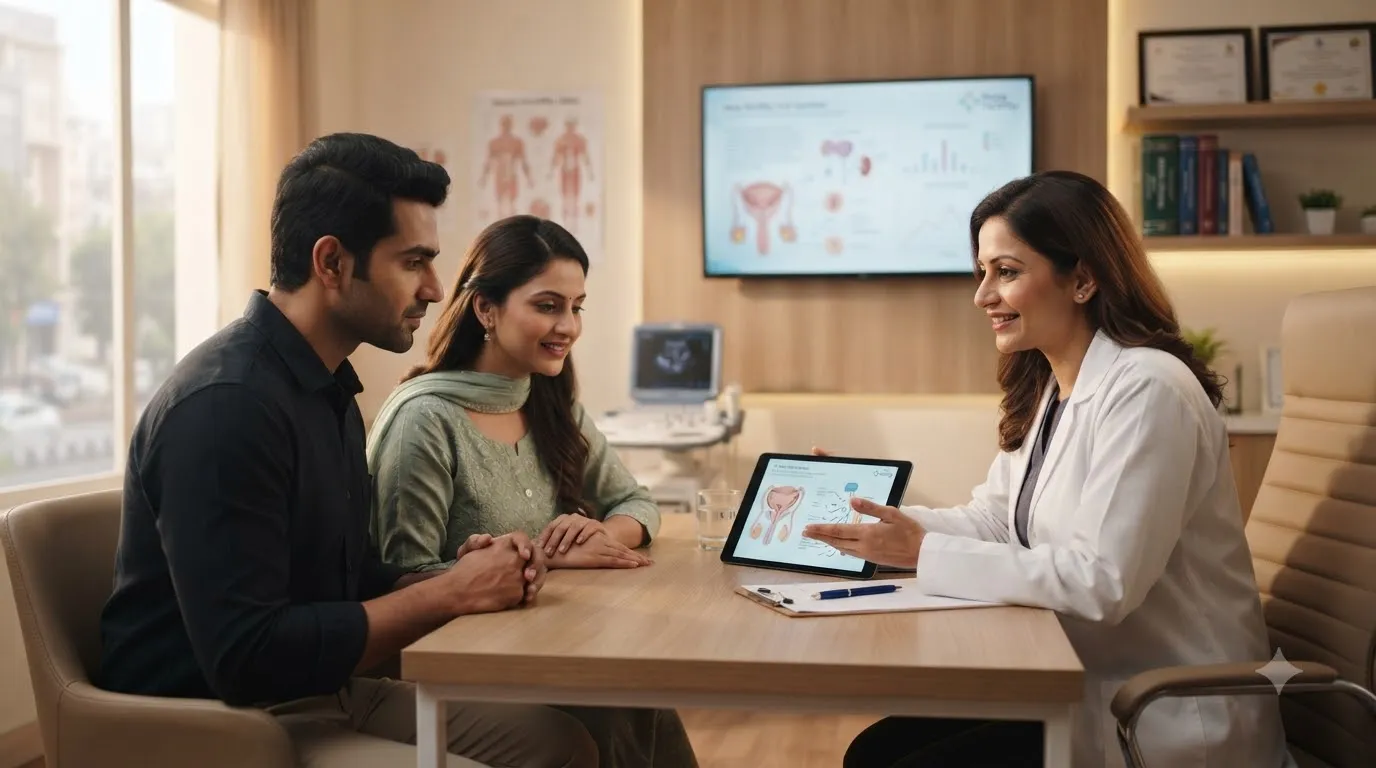
Many couples choose to get tested together before becoming sexually active.
During Pregnancy
STD screening is a routine part of prenatal care because certain infections can affect both mother and baby.
As Part of Routine Health Care
Sexually active adults should consider regular STD testing even if they feel healthy.
What Happens Before the STD Test?
Before your appointment begins, a healthcare provider will usually ask a few questions about your medical and sexual history.
These questions may include:
- When was your last sexual encounter?
- Have you had unprotected sex?
- Do you have symptoms?
- Have you previously tested positive for an STD?
- How many partners have you had recently?
- What types of sexual contact have you had?
While these questions may feel personal, they help determine which tests are most appropriate for your situation.
Healthcare professionals are trained to provide confidential and judgment-free care.
Different Types of STD Tests
Not all STD tests are the same. The type of STD Test you receive depends on the infection being screened for and whether symptoms are present.
Urine Tests
Urine testing is one of the most common forms of STD screening.
What It Detects
Urine tests are often used to detect:
- Chlamydia
- Gonorrhea
What to Expect
You’ll simply provide a urine sample in a private restroom. In many cases, patients are advised not to urinate for at least one hour before testing to improve accuracy.
The process is quick, easy, and noninvasive.
Blood Tests
Blood tests are commonly used for viral infections and certain bacterial infections.
What It Detects
Blood tests may screen for:
- HIV
- Syphilis
- Hepatitis B
- Hepatitis C
- Herpes (in some cases)
What to Expect
A healthcare professional will draw a small blood sample from your arm. The procedure typically takes only a few minutes.
Most people experience only mild discomfort.
Swab Tests
Swab testing involves collecting samples from potentially infected areas.
Common Areas Tested
- Genitals
- Throat
- Rectum
- Open sores or blisters
What to Expect
A sterile cotton swab is gently used to collect a sample. Some swabs may cause mild discomfort, but the process is usually brief.
Swab tests are especially common when symptoms such as sores or discharge are present.
Physical Examination
In some cases, a healthcare provider may perform a physical exam during your STD Test appointment.
Why It’s Done
A physical examination can help identify:
- Visible sores
- Rashes
- Warts
- Swelling
- Discharge
The exam is typically quick and focused only on areas relevant to your symptoms.
Does an STD Test Hurt?
One of the biggest misconceptions about STD testing is that it’s painful.
In reality, most tests involve little to no discomfort.
- Urine tests are painless
- Blood tests feel similar to standard lab work
- Swab tests may feel slightly uncomfortable but are usually very fast
Many patients say the anxiety before the appointment is far worse than the actual test itself.
How Long Does STD Testing Take?
Most STD Test appointments take between 15 and 30 minutes.
The exact timing depends on:
- The number of tests being performed
- Whether symptoms are present
- If a physical examination is needed
Some clinics even offer walk-in or same-day appointments for added convenience.
How Soon Will You Get Results?
Result times vary depending on the type of test and laboratory processing.
Typical Turnaround Times
- Rapid HIV tests: Same day
- Urine tests: 1–3 days
- Blood tests: Several days to one week
- Comprehensive panels: Up to one week
Many clinics now offer secure online portals for private access to results.
What If Your STD Test Is Positive?
Receiving a positive result can feel overwhelming, but many STDs are treatable and manageable.
Bacterial STDs
Infections such as chlamydia, gonorrhea, and syphilis are often treated with antibiotics.
Viral STDs
Conditions like herpes and HIV may not have cures, but modern treatments can help manage symptoms and improve quality of life.
Follow-Up Care
Your provider may recommend:
- Medication
- Repeat testing
- Partner notification
- Temporary abstinence during treatment
Early treatment greatly reduces the risk of complications.
What If Your STD Test Is Negative?
A negative result can provide reassurance, but timing matters.
Some infections have a “window period,” meaning they may not show up immediately after exposure.
Your provider may recommend repeat testing if:
- You tested very soon after exposure
- Symptoms continue
- You remain at risk
Can You Have an STD Without Symptoms?
Absolutely.
Many people with STDs have no visible symptoms at all. This is one reason regular STD Test screenings are so important.
Silent infections can still:
- Cause long-term health problems
- Be passed to partners
- Affect fertility
- Increase risk of other infections
Routine testing helps detect hidden infections early.
How to Prepare for an STD Test
Preparing for an STD test is usually simple.
Avoid Urinating Before Certain Tests
If you’re providing a urine sample, you may be asked not to urinate for at least one hour beforehand.
Know Your Sexual History
Be prepared to discuss recent partners and exposures honestly.
Avoid Certain Products
For some tests, providers may recommend avoiding:
- Vaginal creams
- Douching
- Lubricants
- Certain medications
Your clinic will provide instructions if needed.
Is STD Testing Confidential?
Yes.
STD testing is protected by strict privacy laws in the United States.
Your results are confidential and shared only with authorized healthcare professionals unless reporting is legally required for public health purposes.
Many clinics also offer discreet billing and private online result portals.
Why People Delay STD Testing
Despite how simple testing is, many people postpone getting tested because of:
- Fear of judgment
- Embarrassment
- Anxiety about results
- Lack of symptoms
- Misconceptions about the process
However, avoiding testing can allow infections to worsen or spread.
Taking charge of your sexual health is responsible, proactive, and empowering.
The Importance of Regular STD Screening
Routine STD Test screenings are an essential part of preventive healthcare.
Healthcare providers often recommend annual testing for sexually active adults and more frequent testing for individuals with higher risk factors.
Regular testing helps:
- Protect your health
- Protect partners
- Reduce community transmission
- Detect infections early
STD Testing During Pregnancy
Pregnant women are commonly screened for several STDs because untreated infections may affect the baby.
Testing during pregnancy can help prevent:
- Premature birth
- Low birth weight
- Neonatal infections
- Pregnancy complications
Prenatal screening is a routine and important part of maternal healthcare.
How to Reduce Your Risk of STDs
While no prevention method is perfect, these habits can reduce your risk:
- Use condoms consistently
- Limit sexual partners
- Get regular STD screenings
- Communicate openly with partners
- Avoid sexual activity when symptoms are present
- Consider vaccinations for HPV and Hepatitis B
Preventive care combined with routine STD Test screenings offers strong protection for your health.
Common Myths About STD Testing
Myth: “I Would Know If I Had an STD”
Many STDs cause no symptoms at all.
Myth: “STD Tests Are Painful”
Most testing methods are quick and minimally uncomfortable.
Myth: “Only People With Multiple Partners Need Testing”
Anyone who is sexually active can benefit from routine screening.
Myth: “STD Testing Is Embarrassing”
Healthcare providers perform these tests every day and are trained to offer respectful, confidential care.
What Questions Should You Ask During an STD Test Appointment?
Don’t hesitate to ask your provider questions such as:
- Which infections am I being tested for?
- When should I retest if needed?
- How long will results take?
- What happens if my result is positive?
- How can I reduce my future risk?
Understanding your health empowers you to make informed decisions.
The Emotional Benefits of STD Testing
Many people feel a huge sense of relief after getting tested.
Even if results require treatment, knowing your status allows you to take control of your health instead of living with uncertainty.
Routine STD screening is a normal and responsible part of adult healthcare.
Final Thoughts
Understanding what happens during an STD Test can help eliminate fear and encourage proactive healthcare decisions. Most STD tests are fast, confidential, and simple, involving only urine samples, blood work, swabs, or a brief physical exam.
Whether you’re experiencing symptoms, starting a new relationship, or simply staying on top of your health, regular STD testing is one of the best ways to protect yourself and your partners.
Delaying testing can increase the risk of complications and transmission, while early detection allows for faster treatment and better outcomes.
Taking the step to schedule an STD Test is not something to fear — it’s a smart investment in your health, confidence, and peace of mind.























Sign in to leave a comment.