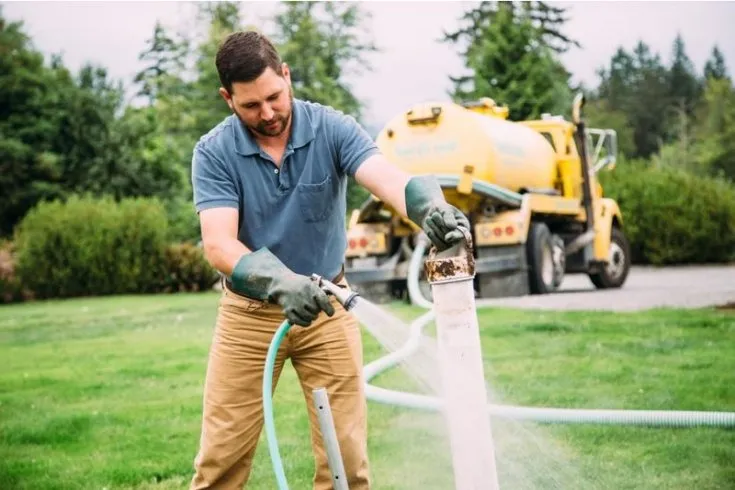
A septic tank does not clean itself forever. It needs regular pumping to remove waste that builds up over time. When pumping is delayed, the system slowly stops working the way it should. That leads to bad smells, slow drains, sewage backups, and even damage to your property and the environment. This guide explains what really happens inside your septic tank when it is not pumped on time, why the problems get worse step by step, and what actions help avoid expensive repairs.
Many homeowners searching for reliable septic tank repair in Raleigh often start noticing small signs before a bigger issue shows up. Slow drains, foul smells, or wet patches in the yard may seem minor at first, but they often point to one root cause - a septic tank that has not been pumped on time.
How a Septic Tank Actually Works
Before understanding the damage, it helps to know how the system works in simple terms.
A septic tank is an underground container that holds wastewater from your home. Every time water goes down the drain - from toilets, sinks, or washing machines - it flows into this tank.
Inside the tank, three layers form:
- Solid waste settles at the bottom and forms sludge
- Oils and grease float on top and form scum
- Liquid wastewater stays in the middle
The liquid layer flows out into the drain field, where the soil filters it naturally.
The problem starts when the solid waste keeps building up. That sludge does not break down completely. It needs to be removed through pumping.
What Happens Inside the Tank When You Skip Pumping
When a septic tank is not pumped, the sludge layer keeps growing thicker. Over time, it takes up more space inside the tank.
At this stage, two serious things begin to happen:
First, there is less space for new wastewater. This means the tank cannot separate waste properly.
Second, solid waste starts escaping into the drain field. This is where long-term damage begins.
The system is designed to handle liquid, not solids. Once solids reach the drain field, they clog the soil and stop proper filtration.
Early Warning Signs Most People Ignore
The first signs are usually small and easy to overlook. But they are important.
Slow Drains in the House
Water starts draining slower than usual. This happens because the tank is too full to handle incoming wastewater.
Bad Smell Around Drains or Yard
A strong sewage smell is often a sign that waste is not being processed correctly.
Gurgling Sounds in Pipes
Air bubbles form when water struggles to move through clogged pipes or a full tank.
At this stage, the problem is still manageable. Pumping the tank can restore normal function.
What Happens If You Still Don’t Pump the Tank
Ignoring the early signs leads to bigger and more expensive problems.
Sewage Backup Inside the Home
When the tank reaches its limit, wastewater has nowhere to go. It starts backing up into sinks, toilets, and bathtubs.
This is one of the worst situations because it creates a health risk. Sewage contains harmful bacteria that should never enter living spaces.
Drain Field Failure
The drain field is one of the most expensive parts of a septic system. When solids clog it, the soil loses its ability to filter water.
Once this happens, the entire system may need replacement, not just repair.
Standing Water in the Yard
A full tank pushes wastewater to the surface. You may notice wet, soggy areas or puddles in your yard, even without rain.
This is untreated sewage rising to the top.
Health Risks You Should Not Ignore
A neglected septic system is not just a plumbing issue. It can affect health in serious ways.
Contaminated water can spread bacteria, viruses, and parasites. These can lead to infections, stomach problems, and skin irritation.
If sewage leaks into groundwater, it can affect drinking water sources. This is especially dangerous in areas that rely on wells.
Children and pets are at higher risk because they often come into contact with soil and outdoor surfaces.
Environmental Damage Caused by an Overfilled Tank
When a septic tank overflows or leaks, it does not just stay on your property.
Wastewater can travel into nearby soil, streams, or lakes. This introduces harmful nutrients like nitrogen and phosphorus into natural water systems.
This can lead to:
- Algae growth in water bodies
- Reduced oxygen levels in water
- Harm to fish and aquatic life
In many places, improper septic maintenance can also lead to fines or legal issues.
Why Waiting Too Long Costs More Money
Many homeowners delay pumping to save money. But this usually leads to higher costs later.
Here is how the costs increase step by step:
- Pumping a tank is a routine and affordable service
- Fixing minor clogs costs more than pumping
- Repairing damaged pipes or baffles costs even more
- Replacing a drain field can cost thousands
Regular maintenance always costs less than emergency repairs.
How Often Should a Septic Tank Be Pumped
There is no single answer for every home. It depends on several factors:
- Size of the tank
- Number of people in the home
- Amount of water usage
- Type of waste going into the system
In most cases, pumping is needed every 3 to 5 years. Homes with higher usage may need it sooner.
A professional inspection helps determine the right schedule.
Common Mistakes That Make the Problem Worse
Some everyday habits can speed up septic system failure.
Flushing Non-Biodegradable Items
Items like wipes, diapers, and sanitary products do not break down. They add to the sludge quickly.
Pouring Grease Down the Drain
Grease forms a thick layer that blocks proper flow and increases scum buildup.
Using Too Much Water at Once
Heavy water usage can overload the system and push solids into the drain field.
Ignoring Maintenance Reminders
Skipping regular inspections allows small issues to turn into major problems.
Can a Full Septic Tank Fix Itself?
This is a common question, but the answer is simple.
No, a septic tank cannot fix itself once it becomes full.
Bacteria inside the tank help break down some waste, but they cannot remove solids completely. Pumping is the only way to clear out accumulated sludge.
Waiting does not solve the problem. It only makes it worse.
What to Do If You Think Your Tank Is Already Full
If signs are already visible, quick action can prevent further damage. Ignoring common septic service hiring mistakes at this stage can make the situation worse and delay proper fixes.
Start by reducing water use immediately. This helps slow down the pressure on the system.
Avoid flushing anything unnecessary. Keep waste to a minimum.
Then contact a professional septic service to inspect and pump the tank.
If there is already damage to the drain field, additional repairs may be needed.
How to Prevent Septic Problems in the Future
Prevention is simple when done consistently.
Schedule regular pumping based on your household usage. Keep track of when the last service was done.
Be mindful of what goes down the drain. Only flush waste that the system can handle.
Spread out water usage throughout the day instead of using large amounts at once.
A small effort in daily habits can extend the life of the entire system.
Why Regular Inspection Matters More Than You Think
Pumping alone is not enough. Inspections help catch problems early.
A professional can check sludge levels, inspect pipes, and make sure the system is working properly.
This helps avoid sudden failures and gives a clear idea of when maintenance is needed.
It also provides peace of mind that the system is safe and functioning as expected.
People Also Ask
What are the signs that a septic tank needs pumping?
Slow drains, bad smells, gurgling pipes, and wet patches in the yard are common signs. These usually appear before major problems.
How long can you go without pumping a septic tank?
Most tanks can go 3 to 5 years, but this varies. Waiting longer increases the risk of system failure.
Can a full septic tank cause plumbing issues?
Yes. A full tank can lead to backups in sinks, toilets, and showers because wastewater cannot flow out properly.
Is septic tank overflow dangerous?
Yes. It can spread harmful bacteria and contaminate soil and water, creating health and environmental risks.
Key Takeaways
- A septic tank fills up with solid waste over time and needs regular pumping
- Skipping maintenance leads to slow drains, smells, and sewage backups
- Long delays can damage the drain field and increase repair costs
- Health and environmental risks increase when waste is not managed properly
- Regular pumping and simple habits can prevent most problems
Conclusion
A septic system works quietly in the background, but it needs attention at the right time. Ignoring it does not make the problem go away. It slowly builds into something more serious, more expensive, and harder to fix.
The best step is simple - stay ahead of the problem. Regular pumping, mindful usage, and timely inspections keep the system working the way it should.
If signs are already showing, do not wait. Taking action early can save both money and stress.
For reliable help and long-term solutions, many homeowners trust Septic Blue of Raleigh to handle septic maintenance and repairs with care and experience.
























Sign in to leave a comment.