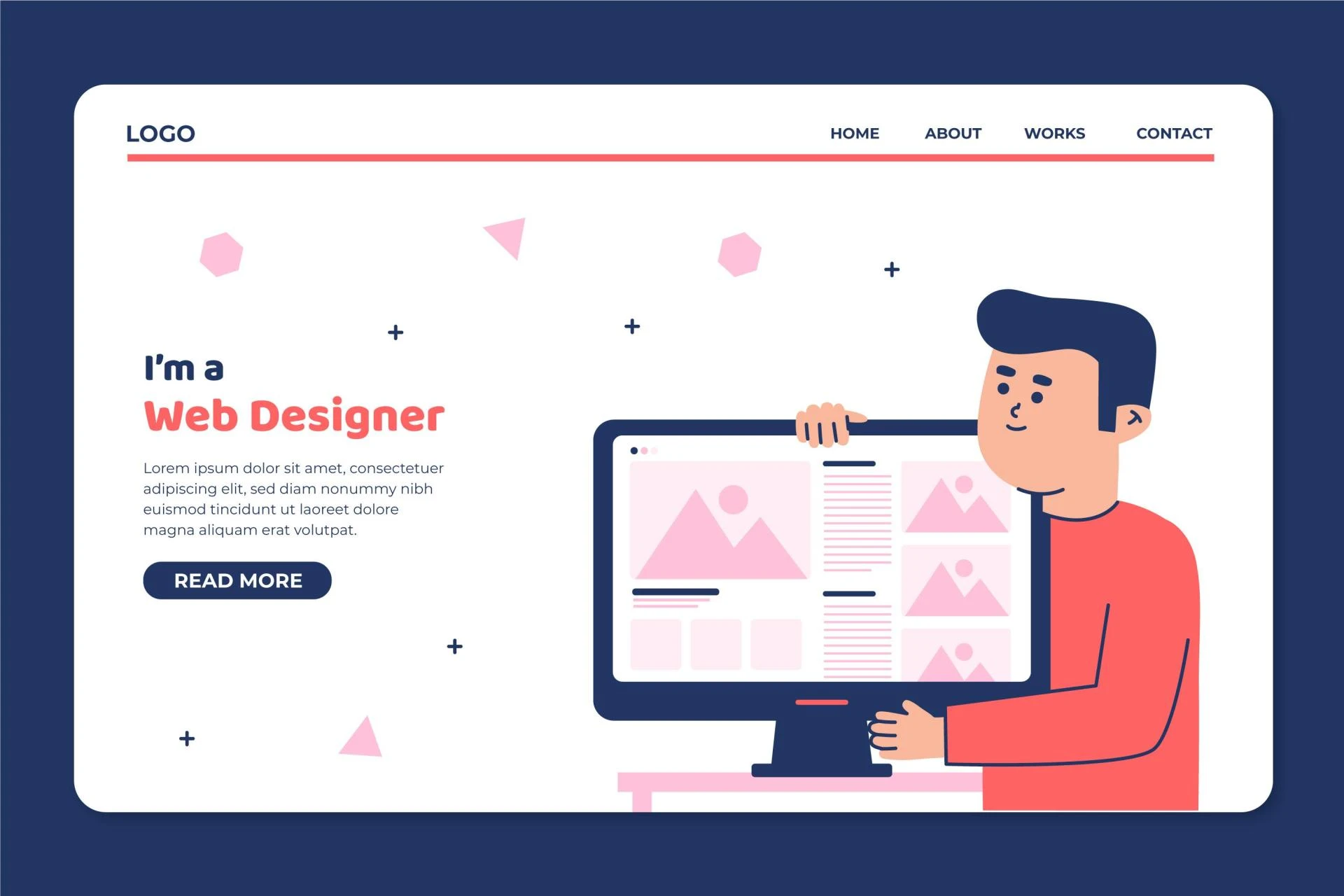

Great design is never a coincidence—it’s built with intention, strategy, and a deep understanding of how users think, behave, and interact with digital products. Whether I’m redesigning your app or improving your website, my goal remains the same: make your digital experience simple, intuitive, and conversion-ready.
In this guide, I’ll walk you through what I focus on when improving your app design or website design so your business not only looks modern but also performs better.
1. Understanding Your Users First
Before changing colors, layouts, or buttons, I start by understanding your real users:
- What problems are they trying to solve?
- Where do they get confused?
- What makes them drop off?
- What motivates them to click, purchase, or sign up?
This helps create a design experience that works for your audience—not just looks good visually.
Why this matters:
When design aligns with user behavior, engagement increases and conversions rise naturally.
2. Improving the User Flow
A beautiful website or app doesn’t matter if users can’t navigate it smoothly. I optimize:
- Navigation structure
- Screen-to-screen flow
- Important actions (signup, purchase, CTA interaction)
- Onboarding experience
Goal:
Make your app or website feel effortless so users never feel stuck or confused.
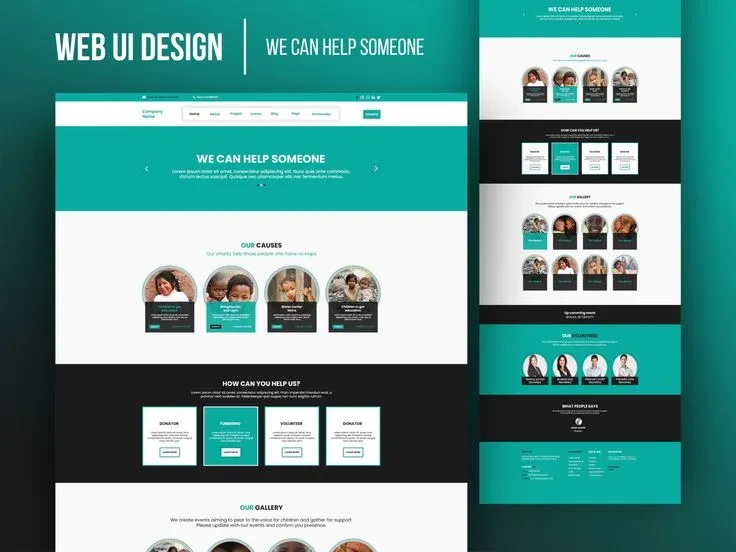
3. Crafting a Clean, Modern Visual Design
Modern design instantly builds trust. I ensure your UI is:
- Minimal, clutter-free
- Balanced with proper spacing
- Using modern typography
- Consistent in color and component style
- Visually aligned with your brand identity
Why it matters:
Clean design = professional brand perception = higher trust.
4. Making Your App or Website Mobile-First
More than 70% of users visit websites or apps on mobile.
This is why every design decision I make is mobile-first:
- Thumb-friendly UI
- Readable text sizes
- Optimized screen spacing
- Quick-loading UI assets
- Interactive components designed for mobile gestures
Outcome:
A smooth experience across devices with no layout breaks.
5. Enhancing Conversion-Focused Sections
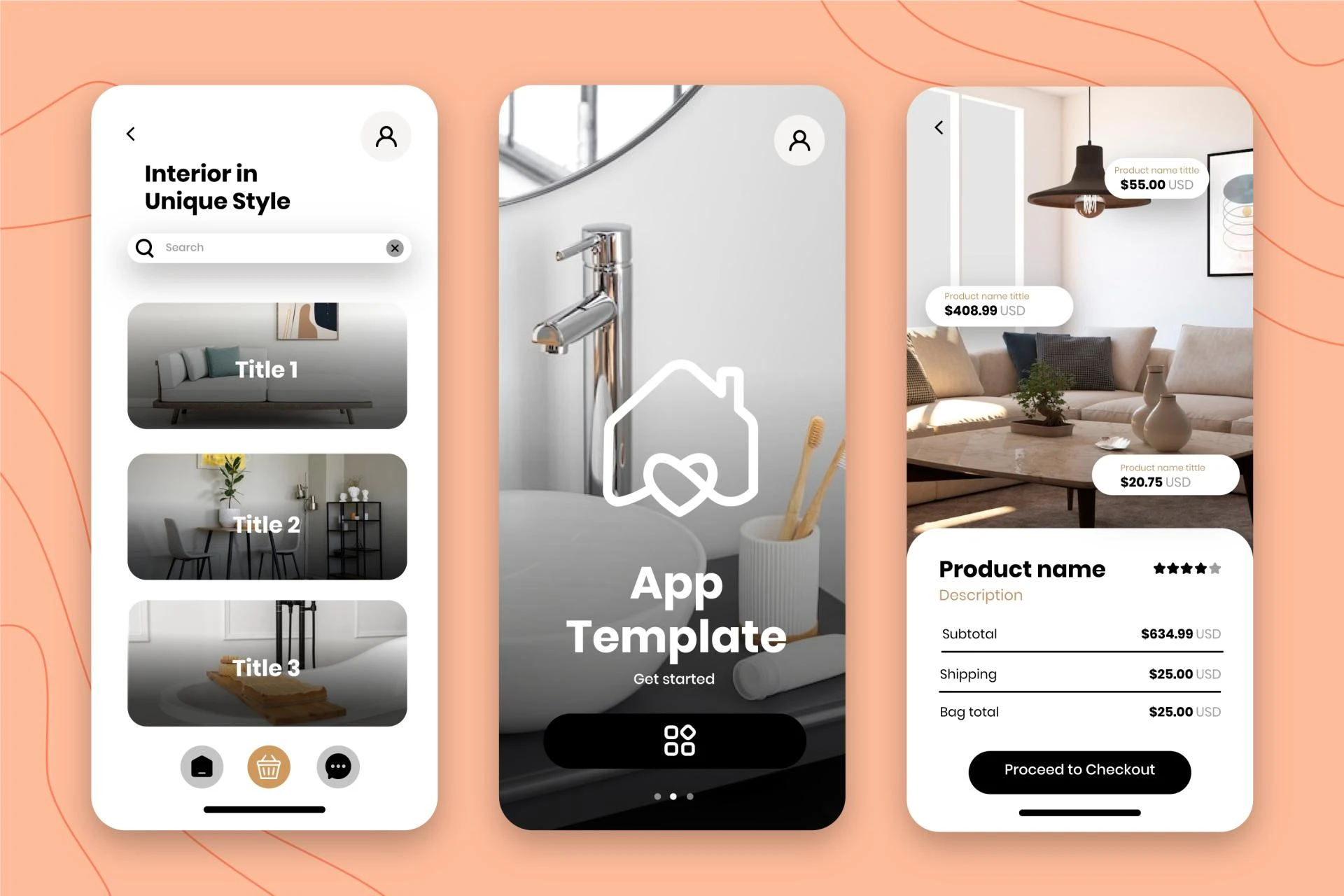
I focus heavily on areas that directly impact your revenue:
For apps:
- CTA placement
- Onboarding screens
- Checkout flow
- In-app navigation
For websites:
- Home banners
- Service sections
- Pricing pages
- Contact forms
- Landing pages
Goal:
Turn more visitors into leads, customers, and long-term users.
6. Accessibility & Readability
A great design works for everyone, including people with:
- Low vision
- Dyslexia
- Color blindness
I ensure:
- Proper contrast ratios
- Legible typography
- Logical hierarchy
- Simple language
- Clear touch targets
Result:
More users can comfortably use your app or website—improving overall engagement.
7. Fast Loading Performance Through Smarter UI
Design also impacts performance. I optimize:
- Image sizes
- Component structure
- Clean design system
- Lightweight UI elements
This reduces loading time and improves ranking + user experience.
8. Creating a Consistent, Scalable Design System
To avoid design chaos in the future, I build:
- Color palettes
- Typography sets
- Buttons
- Components
- Layout grids
- Interaction states
This keeps everything consistent, even as your product grows.
9. Micro-Interactions That Add Life
Small animations make your product feel smooth and polished:
- Button feedback
- Swipe interactions
- Loading states
- Hover effects
- Alert animations
These subtle touches create a premium experience that users love.
10. Testing, Reviewing & Improving Continuously
Once the design is ready, I test it:
- With real users
- Across devices
- With A/B testing
- With UX audits
Improvements are made based on real feedback—not assumptions.
Conclusion
Improving an app or website isn’t about random changes—it’s about creating a product that:
✔ Looks clean
✔ Performs fast
✔ Converts better
✔ Feels effortless
✔ Builds trust
A strong UI/UX design becomes your business’s biggest growth asset.
When users enjoy the experience, they stay longer, convert faster, and trust your brand more.
If you want your digital product to truly stand out in 2025, focusing on intentional UI/UX improvements is the smartest investment you can make.




























Sign in to leave a comment.