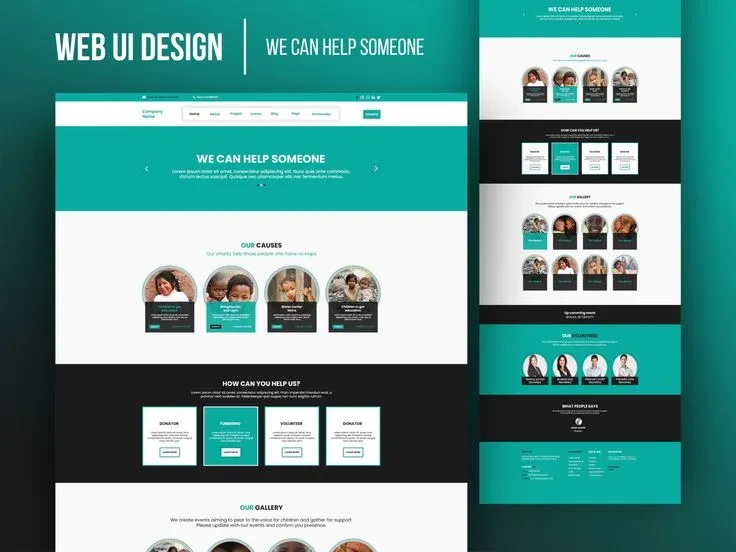

Introduction to Typography in Web Design
Typography is a cornerstone of modern web design It shapes user experience, communicates brand identity, and enhances readability. The right typography can elevate a website’s overall aesthetic and functionality.
Typography refers to the art and technique of arranging typefaces to make written language legible, readable, and visually appealing when displayed.
It encompasses various elements, such as font styles, sizes, spacing, line lengths, and alignment, which collectively influence how users perceive and interact with written content on the web.In the context of web design, typography holds immense importance because it directly impacts how visitors engage with a website’s textual information.
Why Typography Matters in Web Design
Typography impacts how users perceive and interact with a website. Clear, legible fonts ensure visitors stay engaged. Conversely, poor typography can lead to confusion and frustration, causing users to leave a site prematurely.
Typography and User Experience (UX)
Typography directly influences UX. Well-chosen fonts make content accessible, guiding users effortlessly through information. By balancing font size, style, and spacing, designers create an intuitive and enjoyable browsing experience.
Brand Identity and Typography
Typography is a powerful tool for conveying brand personality. For example:
- Serif fonts project tradition and reliability.
- Sans-serif fonts symbolize modernity and simplicity.
- Script fonts evoke elegance and creativity.
Choosing the right typography aligns your website with your brand’s values.
Key Elements of Effective Typography
Font Selection
Selecting the right font is essential. Use fonts that complement your content and purpose. Google Fonts and Adobe Fonts offer versatile options for any design need.
Hierarchy and Readability
Typography hierarchy guides users by emphasizing critical information.
- Headings should be bold and larger.
- Body text must be legible with sufficient spacing.
Color and Contrast
Use contrasting colors for text and background to enhance readability. Subtle changes in color can differentiate elements, improving visual flow.
Modern Typography Trends in Web Design
Variable Fonts
Variable fonts offer flexibility by combining multiple styles into a single file. They improve loading times and provide creative freedom.
Custom Typography
Custom fonts are increasingly popular for unique branding. Designers use them to establish a distinct look that sets their websites apart.
Minimalist Typography
Simple, clean fonts dominate modern web design. They focus on functionality and clarity, ensuring users can easily absorb content.
Common Typography Mistakes to Avoid
- Overloading with Fonts — Stick to two or three fonts for consistency.
- Ignoring Line Spacing — Proper spacing improves readability.
- Poor Color Choices — Ensure sufficient contrast between text and background.
Best Practices for Typography in Web Design
Effective typography can significantly enhance the overall user experience of a website. To make the most of this crucial design element, web designers should adhere to certain best practices.
Impact on Diverse User Groups
In the realm of web design, prioritizing accessibility and inclusivity is of paramount importance. Typography plays a crucial role in making websites more user-friendly for individuals with diverse abilities and needs. It directly impacts users with visual impairments, cognitive differences, and those accessing the web on various devices.
For users with visual impairments, including those with low vision or color blindness, choosing appropriate font sizes, contrast ratios, and color combinations is vital. Additionally, users with dyslexia and cognitive differences benefit from clear and straightforward typography that enhances readability and comprehension.
Ensuring Readability for All Users
To ensure typography is accessible to all users, designers should focus on elements that enhance readability. Selecting legible fonts, providing ample spacing between lines and characters, and avoiding excessive use of decorative fonts are essential steps to support users with various visual abilities.
Proper contrast between the text and background is critical. Designers should avoid light gray text on white backgrounds or dark text on dark backgrounds, as these combinations can be challenging to read, especially for users with low vision or contrast sensitivity.
Accessibility Guidelines and Best Practices
Web designers should adhere to established accessibility guidelines to create typography that accommodates diverse user groups. Key standards to consider include:
- Web Content Accessibility Guidelines (WCAG):
Developed by the Web Accessibility Initiative (WAI) of the World Wide Web Consortium (W3C), WCAG provides comprehensive guidance on creating accessible web content. It covers typography-related aspects such as contrast ratios, font size, and keyboard navigation.
- Using Semantic HTML:
Employing proper HTML tags, such as <h1> for headings and <p> for paragraphs, ensures that screen readers and other assistive technologies can interpret the content accurately.
- ARIA (Accessible Rich Internet Applications) Roles:
Implementing ARIA roles and attributes aids in conveying the document structure and interactive elements to assistive technologies.
- Responsive Design:
Ensuring responsive typography, as discussed in Section IV, is vital for accessibility, as it enables content to adapt to various screen sizes and orientations.
- Testing with Assistive Technologies:
Testing typography with screen readers, speech recognition software, and other assistive tools helps identify and address accessibility issues effectively.
Conclusion
Typography is more than aesthetics; it’s a strategic tool in web design. By understanding and implementing effective typography principles, designers create websites that are visually appealing, functional, and aligned with the brand’s identity.
I'm professional ux ui designer, Contact me via my upwork profile
Thank you






























Sign in to leave a comment.