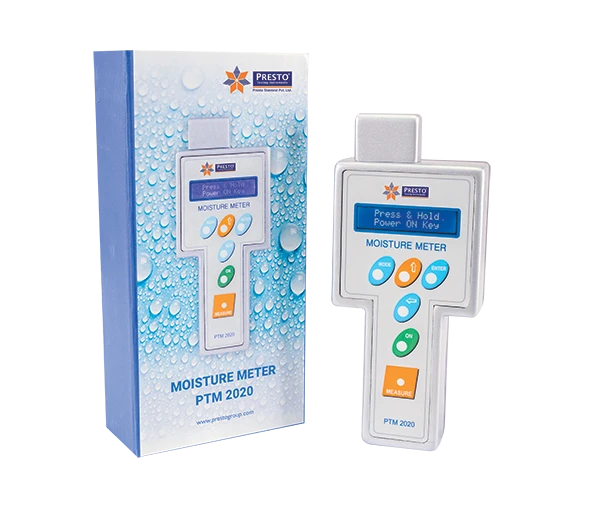

In industries like construction, agriculture, woodworking, and food processing, controlling and monitoring moisture levels is crucial. Too much or too little moisture can compromise the integrity, quality, and performance of materials and products. This is where a moisture meter becomes indispensable. In this article, we’ll explore what a moisture meter is, how it works, its types, applications, and benefits, helping you understand its importance in quality assurance and material testing.
What Is a Moisture Meter?
A moisture meter is a specialized device used to measure the moisture content in various materials, such as wood, soil, concrete, grains, and fabrics. It provides quantitative data on how much water is present within a material, enabling users to make informed decisions about drying, processing, or storage.
Moisture meters are used across industries to ensure materials meet specific moisture levels for quality and performance. For example:
- In construction, they measure the moisture level in concrete before it is used in structural applications.
- In agriculture, they monitor soil and crop moisture for optimal growth and storage.
- In woodworking, they help prevent issues like warping or cracking by ensuring wood is appropriately dried.
How Does a Moisture Meter Work?
The working principle of a moisture meter varies depending on its type, but the primary concept involves detecting the electrical properties of the material being tested. Water is a good conductor of electricity, and its presence in a material affects the electrical properties, which the device then translates into a moisture reading.
Here’s a breakdown of the process:
- Insertion or Surface Contact: The meter is either inserted into the material (pin-type) or placed on its surface (pinless type).
- Measurement of Electrical Properties:
- Pin-Type: The device passes an electrical current between its two pins. The resistance to the current flow indicates the moisture level—the more water, the lower the resistance.
- Pinless-Type: These meters use an electromagnetic sensor to measure the dielectric constant of the material, which changes with moisture content.
- Conversion and Display: The measured electrical properties are converted into a digital or analog reading, usually displayed as a percentage of moisture content.
Types of Moisture Meters
Moisture meters come in various types, each suited for specific materials and applications:
- Pin-Type Moisture Meters
- Feature two sharp pins that penetrate the material to measure electrical resistance.
- Ideal for materials like wood, drywall, and concrete.
- Provide precise readings but may leave small puncture marks.
- Pinless Moisture Meters
- Use a flat sensor to scan the surface without causing damage.
- Best for finished products or large surfaces like walls and floors.
- Offer quick and non-destructive testing but may not detect deeply embedded moisture.
- All-in-One Moisture Meters
- Combine both pin and pinless technology.
- Versatile and suitable for diverse testing requirements.
- Specialized Moisture Meters
- Designed for specific industries, such as grain moisture meters for agriculture or soil moisture meters for landscaping and farming.
Applications of Moisture Meters
Moisture meters are indispensable in many industries. Here are some of their key applications:
- Construction
- Assess moisture levels in concrete, bricks, and other materials to prevent structural issues.
- Ensure surfaces are dry enough for painting, sealing, or flooring installation.
- Agriculture
- Monitor soil moisture for optimal irrigation and crop health.
- Measure moisture content in grains to avoid spoilage during storage.
- Woodworking
- Check wood moisture levels before cutting, shaping, or finishing to prevent warping and cracking.
- Food Processing
- Maintain ideal moisture levels in products like cereals, flour, and baked goods to ensure quality and shelf life.
- Paper and Textiles
- Test paper and fabric moisture content to maintain production efficiency and product quality.
Benefits of Using a Moisture Meter
- Improved Product Quality
- Ensures materials are within acceptable moisture levels, reducing the risk of defects.
- Cost Efficiency
- Identifies issues early, saving costs on repairs, replacements, or wasted materials.
- Enhanced Safety
- Prevents moisture-related issues like mold, corrosion, and material failure.
- Compliance with Standards
- Helps industries meet regulatory requirements for moisture levels.
- Non-Destructive Testing
- Many moisture meters provide accurate readings without damaging the material, making them ideal for finished products.
Tips for Using a Moisture Meter
- Calibrate Regularly
- Ensure the device is correctly calibrated to provide accurate readings.
- Understand Material Settings
- Many meters allow you to select the material type for precise measurement.
- Test in Multiple Areas
- For large surfaces, take readings in different spots to account for variations.
- Use the Right Type
- Choose between pin or pinless meters based on your application needs.
Conclusion
A moisture meter is an essential tool for anyone working with materials sensitive to moisture. By providing accurate and reliable moisture readings, it helps industries maintain quality, prevent defects, and ensure compliance with standards. Whether you’re a builder, farmer, woodworker, or quality control specialist, understanding and using the right moisture meter can significantly improve your workflow and results.
Investing in a high-quality moisture meter ensures you have a dependable solution for managing moisture levels and optimizing product performance across various applications.
Email :- [email protected]
Call Now: +919210903903



























Sign in to leave a comment.