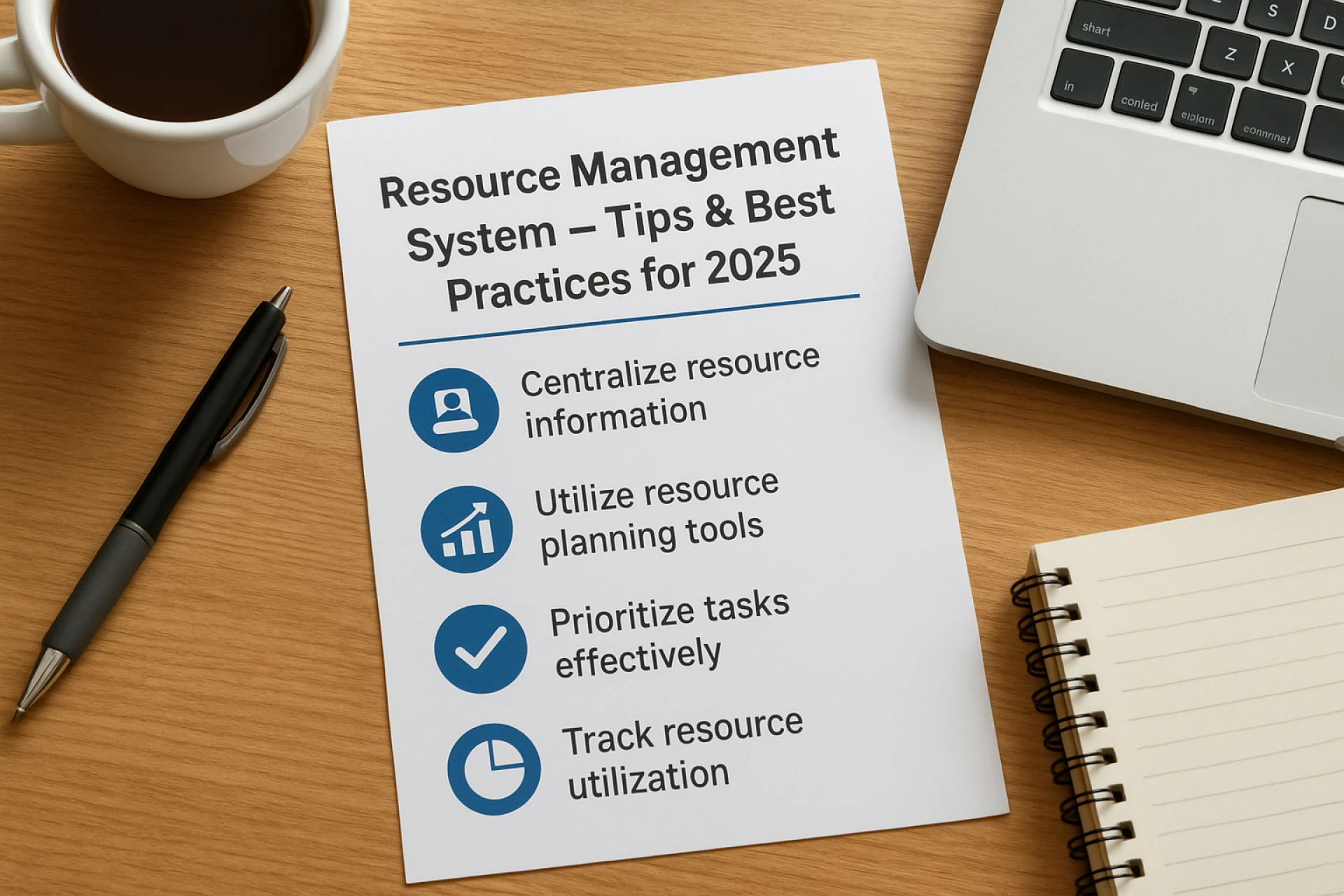

What Is a Resource Management System (and Why It Matters in 2025)
A resource management system refers to the methods, practices, and tools an organization uses to plan, allocate, track, and optimize its resources: people, time, money, assets, and skills.
With the rise of remote and hybrid workforces, cross-functional teams, and more fluid project scopes, organizations need more visibility, agility, and foresight in how they manage their resources before their margins ripple into project delays, cost overruns, or opportunity costs.
Modern resource management software plays a central role, enabling real-time visibility, scenario modeling, and data-driven allocations. But software is just one piece of the puzzle. In 2025, the discipline requires systems thinking, cultural alignment, and continuous improvement.
Below are tips and best practices that resource leaders should consider.
Key Trends Shaping Resource Management in 2025
Before diving into best practices, let’s glance at a few structural changes that are shaping the landscape:
- Strategic Elevation of Resource Function: Resource management is no longer backroom scheduling. Many companies now position it as a strategic lever tightly linked to business goals and revenue forecasting.
- Blended Workforce and Skill Fluidity: Hybrid staffing models, gig and contract talent, and cross-skilling are making resource allocation more dynamic and unpredictable.
- AI, Predictive Analytics & Automation: Leading systems are beginning to incorporate machine learning to suggest allocations, detect conflicts, and autonomously rebalance workloads.
- C-Suite Communication & Alignment: As resource decisions influence deadlines, margins, and capacity to scale, resource leads must communicate effectively with executives about trade-offs, constraints, and risk.
Understanding these trends helps contextualize why a few tried-and-true practices remain essential but also how they must evolve.
Best Practices & Tips for an Effective Resource Management System
The following best practices can help ensure that your resource management approaches are robust, flexible, and aligned with changing demands.
1. Start with Governance & Roles
- Identify who is accountable for resource assignments, conflict resolution, and escalation.
- Set limits on maximum utilization, overtime rules, criteria for cross-project resource moves, and thresholds for hiring new headcount.
- Bring together representatives from PMO, finance, HR, and business units to validate priorities, resolve trade-offs, and maintain transparency.
2. Build a Unified Resource & Skills Inventory
- Track competencies, certifications, experience levels, and preferences.
- For each project or initiative, clearly specify required skills, roles, and tentative levels of effort.
- Capture preferences, learning goals, or prior commitments so resource allocation can optimize beyond just hours.
- People gain new skills, change roles, and shift interests; stale data leads to allocation mistakes.
3. Monitor Utilization & Avoid Overcommitment
- Don’t rely solely on planned hours. Include actual time, overtime, and buffer.
- Allow flexibility in exceptional cases, but enforce caps to protect morale and delivery.
- Balance utilization with capacity for learning, innovation, or unplanned urgent work.
4. Use Scenario Planning & What-If Modeling
- Overlay resource supply curves with project demand curves and plan hiring, outsourcing, or deferrals.
- Stress test for contingencies.
- If one project is delayed, test how shifting a few people affects the rest of the portfolio.
5. Embed Feedback Loops & Continuous Improvement
- After project delivery, analyze resource variances like which roles overran, which were underutilized, and what caused the discrepancies.
- Hold “lessons learned” reviews specifically focused on resource allocations.
- Adjust planning parameters (buffer size, allocation heuristics, utilization caps) based on empirical data.
- Encourage managers and teams to flag conflicts early and renegotiate allocations transparently.
6. Improve Visibility & Interfaces
- Offer real-time views of current assignments, headroom, conflicts, and forecast curves.
- Provide self-service views for team leads and individual contributors so they see their schedule, capacity, and trade-offs.
- Include alerts and notifications when resource conflicts like double-booking emerge.
- Integrate with project, time tracking, and HR systems to reduce manual reconciliation.
7. Embrace Flexibility & Hybrid Talent Models
- Reserve buffer capacity for unexpected work rather than allocating 100% of the time.
- Leverage contract, part-time, or cross-functional talent when demand spikes.
- Use rotational or fractional assignments to balance resource load while preserving specialization.
- Be ready to reassign people dynamically when priorities shift.
8. Pilot Automated or AI-driven Allocation Rules
- Start with low-risk domains, perhaps non-critical or smaller projects, or internal initiatives.
- Use AI or heuristics to suggest matches (skills, availability, preferences) and let resource managers approve.
- Continuously monitor algorithm decisions for bias, mismatches, and unintended behaviors.
- Layer human oversight because even though full automation is risky, augmented allocation is realistic.
9. Invest in Change Management & Capability Building
- Train project leads and managers on realistic planning, buffer decisions, and resource negotiations.
- Foster a culture of transparency, early flagging, and collaborative resource resolution.
- Invite frontline feedback on where friction or ambiguity arises in resource allocation.
10. Communicate Trade-offs Transparently
- Be explicit about tradeoffs. For example, allocating more resources to Project A means reducing capacity for Project B.
- Record resource requests that couldn’t be granted and the rationale why.
- Publish rolling roadmaps and resource tension points so stakeholders understand pressure points.
- Engage in cross-unit conversations with resource leads, PMO, finance, and product leadership must speak a shared language.
Recognize resource constraints as a shared organizational challenge, not purely the responsibility of the resource office.
Pitfalls to Watch Out For
- Overreliance on software without process discipline: A powerful system won’t fix unclear roles, weak governance, or stale skill data.
- Algorithmic tunnel vision: Automated suggestions may optimize for utilization but miss team fit, growth objectives, or human capacity constraints.
- Rigid utilization targets: Blindly forcing 100% usage leads to burnout, attrition, or quality issues.
- Ignoring “non-billable” work: Activities like training, maintenance, innovation, or mentoring should be factored in, not squeezed out.
- Lack of executive sponsorship: Without buy-in from leadership, resource decisions may remain overridden or ignored.
Conclusion & Action Steps
A resource management system in 2025 needs to be more than just isolated teams or static spreadsheets. Organizations require a combination of planning, cultural alignment, flexible tooling, and disciplined processes to remain competitive.
Start with one department or subset of projects. If you are thinking about making changes to improve your allocation heuristics, gather metrics such as variance, utilization, and conflict resolution time.
Your resource management system can help you deliver more consistently, cut waste, and better match capacity with strategy by combining discipline, foresight, and ongoing feedback.





























Sign in to leave a comment.