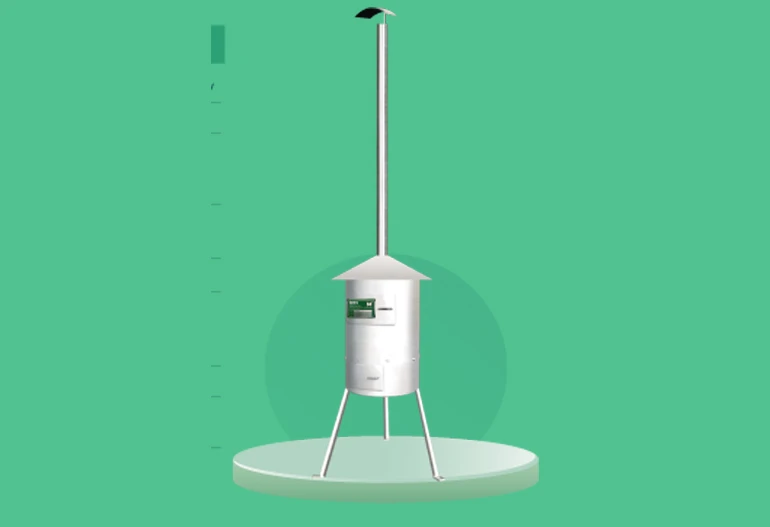
With growing concerns about waste accumulation, pollution, and public health, incinerators have become a vital part of modern waste management systems. From households to hospitals and commercial complexes, incineration offers a controlled, efficient, and hygienic way to dispose of waste that cannot be recycled or reused.
This complete guide explains what an incinerator is, how it works, its types, applications, benefits, and future relevance, helping you understand why incinerators are increasingly important in today’s world.
What Is an Incinerator?
An incinerator is a waste treatment system that disposes of waste materials through high-temperature combustion. The process converts waste into ash, flue gases, and heat, significantly reducing waste volume and eliminating harmful pathogens.
Incinerators are commonly used for:
- Solid waste
- Biomedical waste
- Hazardous and industrial waste
- Animal and food waste
Depending on the scale and application, incinerators range from compact units for homes to large industrial systems for commercial buildings and municipalities.
How Does an Incinerator Work?
The working principle of an incinerator involves several carefully controlled stages:
1. Waste Feeding
Waste is loaded into the incinerator manually or through automated systems. Proper segregation ensures efficient combustion and lower emissions.
2. Combustion Chamber
The waste is burned in a primary combustion chamber at temperatures typically between 800°C and 1200°C. At this temperature:
- Organic waste is destroyed
- Pathogens and toxins are neutralized
- Waste volume is reduced by up to 90%
3. Secondary Combustion (Afterburner)
Flue gases pass through a secondary chamber, where remaining harmful gases are burned again to minimize emissions and odors.
4. Emission Control System
Advanced incinerators use scrubbers, filters, and chimneys to control air pollution and meet environmental regulations.
5. Ash Collection
The remaining ash (about 5–10% of original waste volume) is collected and safely disposed of or used in construction, depending on its composition.
Types of Incinerators
Understanding different incinerator types helps in choosing the right solution:
1. Controlled Air Incinerators
Use limited oxygen for efficient burning and are common in healthcare facilities.
2. Rotary Kiln Incinerators
Suitable for hazardous and industrial waste, offering continuous operation.
3. Fluidized Bed Incinerators
Ideal for uniform waste combustion, often used in industrial applications.
4. Modular Incinerators
Compact, pre-engineered units commonly used as incinerators for home or small institutions.
Incinerators for Home Use
With increasing emphasis on decentralized waste management, incinerators for home are gaining popularity, especially in rural areas, gated communities, and isolated locations.
Key Features:
- Compact and space-efficient
- Easy operation and low maintenance
- Suitable for organic, sanitary, and domestic waste
- Reduces dependency on municipal waste collection
Benefits:
- Hygienic waste disposal
- Odor and pest control
- Reduced landfill contribution
- Environmentally responsible living
Home incinerators are particularly useful where waste collection infrastructure is limited or unreliable.
Incinerators for Commercial Buildings
Large-scale waste generation in offices, malls, hotels, hospitals, and institutions demands reliable disposal solutions. Incinerators for commercial buildings are designed for high capacity and continuous operation.
Common Applications:
- Hospitals and clinics
- Hotels and resorts
- Educational institutions
- Industrial facilities
- Shopping complexes
Advantages:
- Handles large waste volumes efficiently
- Ensures compliance with waste disposal regulations
- Prevents infection spread in healthcare settings
- Reduces transportation and landfill costs
Commercial incinerators often include advanced emission control systems to meet strict environmental standards.
Benefits of Using Incinerators
Incinerators offer several advantages over traditional waste disposal methods:
- Drastic volume reduction (up to 90%)
- Elimination of harmful pathogens
- Safe disposal of non-recyclable waste
- Energy recovery in advanced systems
- Reduced landfill dependency
- Improved public health and hygiene
When designed and operated correctly, modern incinerators are both safe and environmentally responsible.
Environmental Considerations and Safety
Modern incineration technology focuses heavily on environmental protection. Key safety measures include:
- Temperature control to avoid toxic emissions
- Flue gas treatment systems
- Compliance with pollution control norms
- Regular maintenance and monitoring
When compared to open dumping or uncontrolled burning, incinerators are far safer and cleaner.
Incinerators vs Other Waste Disposal Methods
| Method | Efficiency | Hygiene | Environmental Control |
|---|---|---|---|
| Landfills | Low | Poor | Limited |
| Composting | Medium | Good | Eco-friendly |
| Incineration | High | Excellent | Highly controlled |
Incineration stands out for hazardous and biomedical waste, where safety is critical.
The Future of Incinerators in Waste Management
As urbanization and waste generation increase, incinerators will play a growing role in:
- Smart cities
- Sustainable waste solutions
- Decentralized waste management
- Energy-from-waste systems
Innovations are making incinerators more efficient, compact, and environmentally friendly—making them suitable for both homes and commercial buildings.
Conclusion
An incinerator is more than just a waste disposal machine—it is a powerful tool for hygiene, environmental protection, and sustainable living. Whether you are considering incinerators for home use or incinerators for commercial buildings, choosing the right system can significantly reduce waste problems while supporting a cleaner future.
With proper technology, regulation, and awareness, incinerators remain one of the most effective solutions for managing today’s complex waste challenges.





















Sign in to leave a comment.