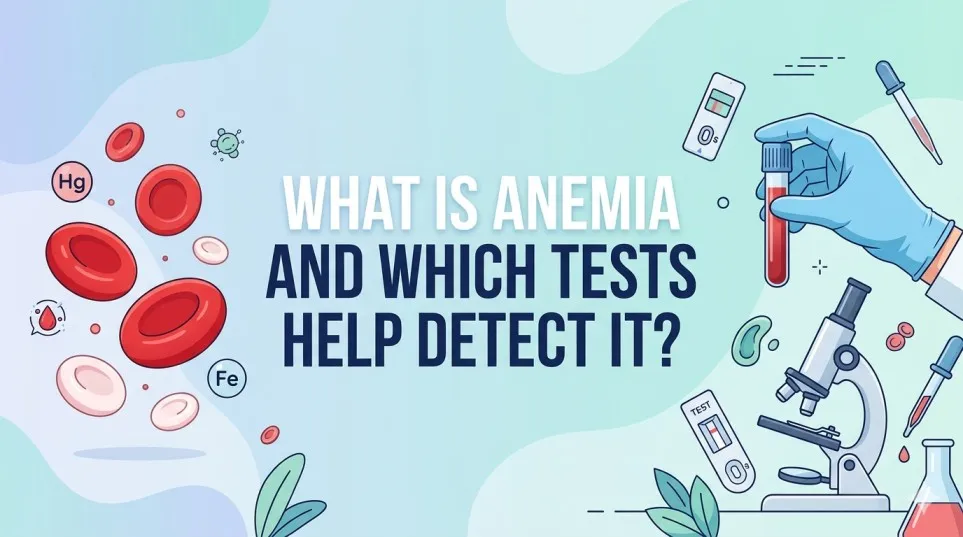
Anemia is one of the most common health conditions worldwide, affecting people of all ages. Despite being widespread, many individuals are unaware they have anemia until symptoms begin to interfere with their daily lives. Feeling tired all the time, experiencing weakness, or getting short of breath after minimal physical activity are often dismissed as signs of a busy lifestyle, but they may actually indicate anemia.
Understanding what anemia is, its causes, symptoms, and the tests used to diagnose it can help individuals seek timely medical attention and prevent potential complications.
What Is Anemia?
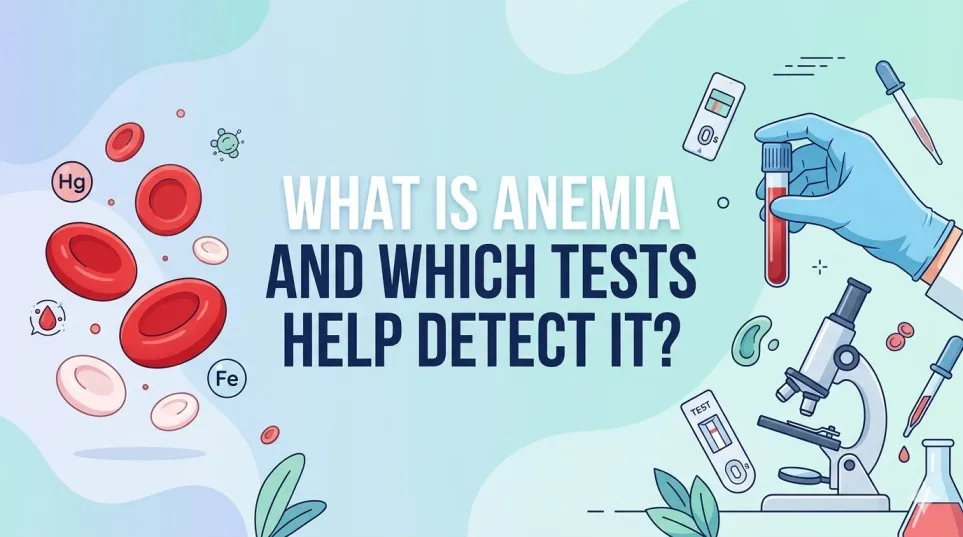
Anemia is a condition in which the body does not have enough healthy red blood cells or sufficient hemoglobin to carry oxygen effectively to tissues and organs. Hemoglobin is a protein found in red blood cells that binds oxygen and transports it throughout the body.
When hemoglobin levels are low, the body's organs and tissues receive less oxygen than they need, leading to symptoms such as fatigue, weakness, and reduced physical performance.
Anemia is not a disease itself but often a sign of an underlying health issue that requires investigation and treatment.
Common Causes of Anemia
Several factors can contribute to the development of anemia, including:
Iron Deficiency
Iron is essential for hemoglobin production. A lack of iron due to poor dietary intake, blood loss, or increased requirements can lead to iron deficiency anemia.
Vitamin Deficiencies
Deficiencies in vitamin B12 and folate can interfere with red blood cell production and result in anemia.
Chronic Diseases
Certain long-term conditions such as kidney disease, inflammatory disorders, and some infections can affect the body's ability to produce healthy red blood cells.
Blood Loss
Significant blood loss from injuries, surgery, heavy menstrual bleeding, or gastrointestinal conditions can reduce red blood cell levels.
Genetic Conditions
Inherited disorders such as thalassemia and sickle cell disease can cause anemia by affecting the structure or production of red blood cells.
Symptoms of Anemia
The symptoms of anemia can vary depending on its severity and underlying cause. Common signs include:
- Persistent fatigue
- Weakness and lack of energy
- Pale skin
- Shortness of breath
- Dizziness or lightheadedness
- Frequent headaches
- Rapid or irregular heartbeat
- Cold hands and feet
- Difficulty concentrating
- Reduced exercise tolerance
Mild anemia may not cause noticeable symptoms, which is why diagnostic testing plays an important role in early detection.
Why Is Early Detection Important?
If left untreated, anemia can affect quality of life and may lead to complications. Severe anemia can place extra strain on the heart and reduce the body's ability to function efficiently.
Identifying anemia early allows healthcare professionals to determine the underlying cause and recommend appropriate treatment, whether it involves dietary changes, supplements, medication, or further medical evaluation.
Which Tests Help Detect Anemia?
Several laboratory tests can help diagnose anemia and identify its cause.
Complete Blood Count (CBC)
A Complete Blood Count (CBC) is the most common and important test used to detect anemia.
This test measures:
- Hemoglobin (Hb)
- Red Blood Cell (RBC) count
- Hematocrit (HCT)
- Mean Corpuscular Volume (MCV)
- Mean Corpuscular Hemoglobin (MCH)
- Mean Corpuscular Hemoglobin Concentration (MCHC)
Low hemoglobin and hematocrit levels are key indicators of anemia. CBC results also help classify the type of anemia based on the size and characteristics of red blood cells.
Peripheral Blood Smear
A peripheral blood smear involves examining blood under a microscope to evaluate the size, shape, and appearance of red blood cells.
This test can help identify abnormalities associated with various forms of anemia, including iron deficiency anemia and inherited blood disorders.
Iron Studies
Iron studies help determine whether iron deficiency is causing anemia.
Common iron-related tests include:
- Serum Iron
- Ferritin
- Total Iron Binding Capacity (TIBC)
- Transferrin Saturation
Low ferritin levels are often among the earliest signs of iron deficiency.
Vitamin B12 Test
A Vitamin B12 test measures the level of vitamin B12 in the blood. Deficiency of this vitamin can lead to megaloblastic anemia, a condition characterized by unusually large red blood cells.
Folate Test
Folate plays a crucial role in red blood cell formation. Low folate levels can also contribute to megaloblastic anemia.
Reticulocyte Count
Reticulocytes are immature red blood cells produced by the bone marrow.
A reticulocyte count helps assess how well the bone marrow is responding to anemia by measuring the rate of new red blood cell production.
Hemoglobin Electrophoresis
This specialized test is used to detect inherited blood disorders such as thalassemia and sickle cell disease, which can cause chronic anemia.
Kidney Function Tests
Since the kidneys produce a hormone called erythropoietin that stimulates red blood cell production, kidney disease can contribute to anemia. Kidney function tests may be recommended when chronic disease is suspected.
Who Should Consider Testing for Anemia?
Testing may be recommended for individuals who:
- Experience ongoing fatigue or weakness
- Have heavy menstrual bleeding
- Follow restrictive diets
- Are pregnant
- Have chronic medical conditions
- Have a family history of blood disorders
- Experience unexplained dizziness or shortness of breath
Regular health checkups can help identify anemia before symptoms become severe.
Can Anemia Be Prevented?
Some forms of anemia can be prevented through healthy lifestyle choices, including:
- Eating iron-rich foods such as leafy greens, beans, lentils, and lean meats
- Consuming foods rich in vitamin B12 and folate
- Maintaining a balanced diet
- Managing chronic health conditions effectively
- Seeking medical advice for unexplained fatigue or blood loss
However, not all forms of anemia are preventable, particularly those caused by genetic conditions or certain chronic diseases.
Conclusion
Anemia is a common condition that occurs when the body lacks enough healthy red blood cells or hemoglobin to transport oxygen effectively. While symptoms such as fatigue, weakness, and dizziness are common warning signs, laboratory testing is essential for accurate diagnosis.
A Complete Blood Count (CBC) is typically the first and most important test used to detect anemia. Depending on the results, additional tests such as iron studies, vitamin B12 testing, folate levels, and hemoglobin electrophoresis may be recommended to identify the underlying cause.
Early diagnosis and appropriate treatment can significantly improve health outcomes and help individuals maintain their energy, well-being, and overall quality of life.



























Sign in to leave a comment.