

Docker is an open-source platform that allows programmers to use containerization to automate the setting up, scaling, and administration of programs.
Using the containerization technique, a program and all of its dependencies are packaged into a single, standardized container.
Whether it is a developer's local PC, a testing server, or a production server, this container can run reliably in any setting.
That's how Docker works:
Containerization: Using Docker, developers may build packages that contain the libraries, runtime, and other requirements of an application.
Applications execute consistently across many contexts because these containers separate themselves from the host system and other containers.
The Docker Engine, the central element of Docker, is in charge of creating, executing, and maintaining containers.
Developers can communicate with Docker via a server daemon, REST API, and command-line interface (CLI).
Docker Images: Docker images, which are effectively read-only templates containing the application code and all required dependencies, are used to generate containers. The building blocks for making containers are images.
Dockerfile: Using a straightforward text file known as a Dockerfile, developers specify the configuration of the Docker images.
This file details the application's basic image as well as any additional software dependencies, environment variables, and other configurations.
Container Registry: Container registries like Docker Hub, Amazon ECR, or Google Container Registry allow users to store and share Docker images.
These registries act as a central hub for the distribution and exchange of Docker images.
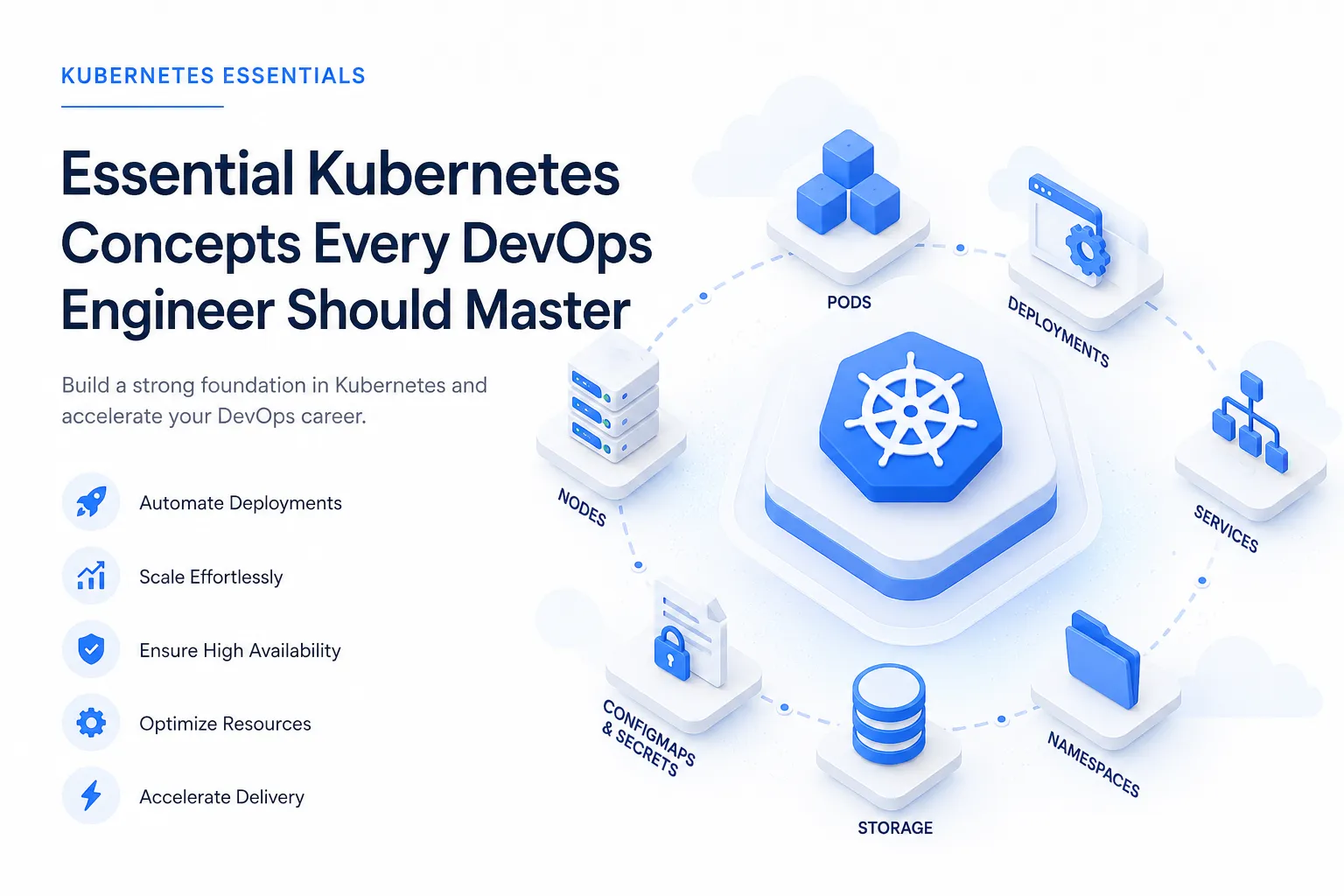
Container Orchestration: To control the deployment, scaling, and load balancing of containers across a cluster of servers, Docker can be integrated with container orchestration solutions like Kubernetes or Docker Swarm.
Applications are very portable because Docker containers make it simple to move them across multiple environments and they encapsulate everything an application needs to run.
Additionally, the container's lightweight design enables applications to scale effectively and quickly.
Security & separation: Docker containers offer process-level separation to prevent application conflict between those executing in distinct containers.
As a result of the host the system's reduced attack surface, isolation improves security.
Overall, Docker makes application deployment simpler, ensures consistency across diverse settings, and frees developers to concentrate on effectively creating and releasing apps.
It is now a commonly used technology in the workflows for developing and deploying contemporary applications.































Sign in to leave a comment.