

Glossopharyngeal neuralgia is a condition characterized by severe, recurrent pain in the throat, tongue, and ear, often triggered by swallowing or speaking. This debilitating disorder can significantly impact an individual's quality of life, leading to anxiety about eating, social interactions, and daily activities. Understanding the treatment options available is essential for those suffering from this condition, as effective management can lead to considerable relief and a return to normalcy.
Understanding Glossopharyngeal Neuralgia
Glossopharyngeal neuralgia arises from irritation of the glossopharyngeal nerve, which is responsible for sensations from the throat and some areas of the ear. The pain associated with this condition can be excruciating, described by many as a sharp, stabbing sensation that occurs suddenly and can last from a few seconds to several minutes. Triggers often include specific movements such as turning the head, swallowing, or even light touch in certain areas.
The etiology of glossopharyngeal neuralgia can vary, with possible causes including vascular compression, tumors, or multiple sclerosis. As such, diagnosing this condition requires a thorough medical evaluation, often involving imaging studies to rule out other underlying issues. Those affected typically endure a cycle of pain that leads to avoidance behaviors, which can exacerbate the emotional toll of the condition.
Treatment Approaches for Glossopharyngeal Neuralgia
When it comes to glossopharyngeal neuralgia treatment, there are several approaches that may be utilized, ranging from conservative management to more invasive procedures. The choice of treatment largely depends on the severity of the symptoms and the underlying cause of the nerve irritation.
Medications for Pain Relief
Initial treatment often involves medication aimed at reducing pain and preventing attacks. Anticonvulsants, typically used for seizure disorders, have shown effectiveness in alleviating neuralgic pain. These medications work by stabilizing nerve activity, thereby reducing the frequency and intensity of pain episodes. Additionally, tricyclic antidepressants may also provide relief by modulating pain perception pathways in the brain.
It is crucial for patients to work closely with their healthcare providers to find the right medication and dosage, as individual responses can vary. Regular follow-up appointments help to monitor efficacy and adjust treatment plans as necessary, ensuring optimal management of symptoms.
Nerve Blocks and Injections
For those who do not achieve sufficient relief from medications alone, nerve blocks or injections may be considered. These procedures involve injecting anesthetics or steroids near the glossopharyngeal nerve to interrupt pain signals. While nerve blocks can provide temporary relief, they can also serve as a diagnostic tool to confirm the source of pain.
The effectiveness of nerve blocks varies among individuals, and the relief may last from days to weeks. Still, they can offer a significant quality-of-life improvement, allowing patients to engage more freely in activities that may have previously caused discomfort.
Surgical Options for Lasting Relief
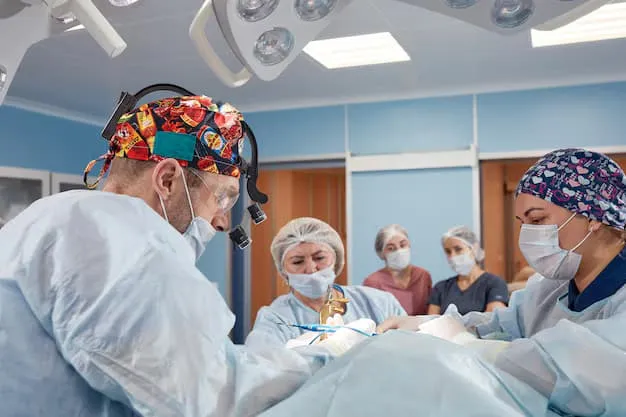
In cases where conservative treatments fail or if the pain is particularly debilitating, surgical intervention may be warranted. Surgical options typically focus on relieving pressure on the glossopharyngeal nerve or interrupting the pain pathways. One common procedure is microvascular decompression, where surgeons relocate or remove blood vessels that may be compressing the nerve. This surgery can offer long-term relief and significantly improve patients' quality of life.
Another possibility is a rhizotomy, which involves selectively damaging the nerve fibers to disrupt pain transmission. While this approach can lead to immediate pain relief, it does carry risks, including the potential for altered sensation in the throat or difficulty swallowing. Therefore, a thorough discussion with a healthcare professional regarding the benefits and risks of surgical options is essential.
Lifestyle Modifications and Support
In conjunction with medical treatments, lifestyle modifications can play a crucial role in managing glossopharyngeal neuralgia. Patients are often advised to adopt a soft diet to minimize triggering pain during eating. Additionally, stress-reduction techniques, such as mindfulness and relaxation exercises, can help mitigate the emotional strain that accompanies chronic pain conditions.
Support groups can also provide invaluable resources for those dealing with glossopharyngeal neuralgia. Connecting with others who share similar experiences can foster a sense of community and provide practical coping strategies.
Conclusion
In summary, glossopharyngeal neuralgia treatment encompasses a range of options tailored to the individual needs of patients. From medication management to advanced surgical interventions, effective relief solutions are available that can significantly enhance the quality of life for those affected by this condition. It is essential for patients to collaborate closely with their healthcare providers to determine the most appropriate treatment plan.
For individuals seeking expert guidance and support in managing glossopharyngeal neuralgia, Robert Louis MD offers comprehensive resources and care. By prioritizing patient well-being and utilizing advanced treatment modalities, Robert Louis MD is committed to helping individuals achieve effective relief from this challenging condition.
































Sign in to leave a comment.