
The Internet Protocol (IP) is the cornerstone of modern digital communication, serving as the backbone for how data is transmitted across the internet. Every time you send an email, stream a video, or browse a website, IP is working behind the scenes to ensure that information reaches its destination accurately and efficiently. But what exactly is Internet Protocol, and how does it work? This blog delves into its fundamental aspects, significance, and real-world applications.
Understanding Internet Protocol
At its core, Internet Protocol is a set of rules that governs how data packets are sent, received, and routed across networks. Think of IP as the postal system of the internet: it ensures that "packages" of data—called packets—are labeled with the correct address and delivered to the right location. Without IP, the internet as we know it would cease to function.
Each device connected to a network, whether it’s a computer, smartphone, or smart home device, is assigned a unique identifier called an IP address. This address acts like a virtual home address, enabling devices to locate and communicate with each other.
How Does IP Work?
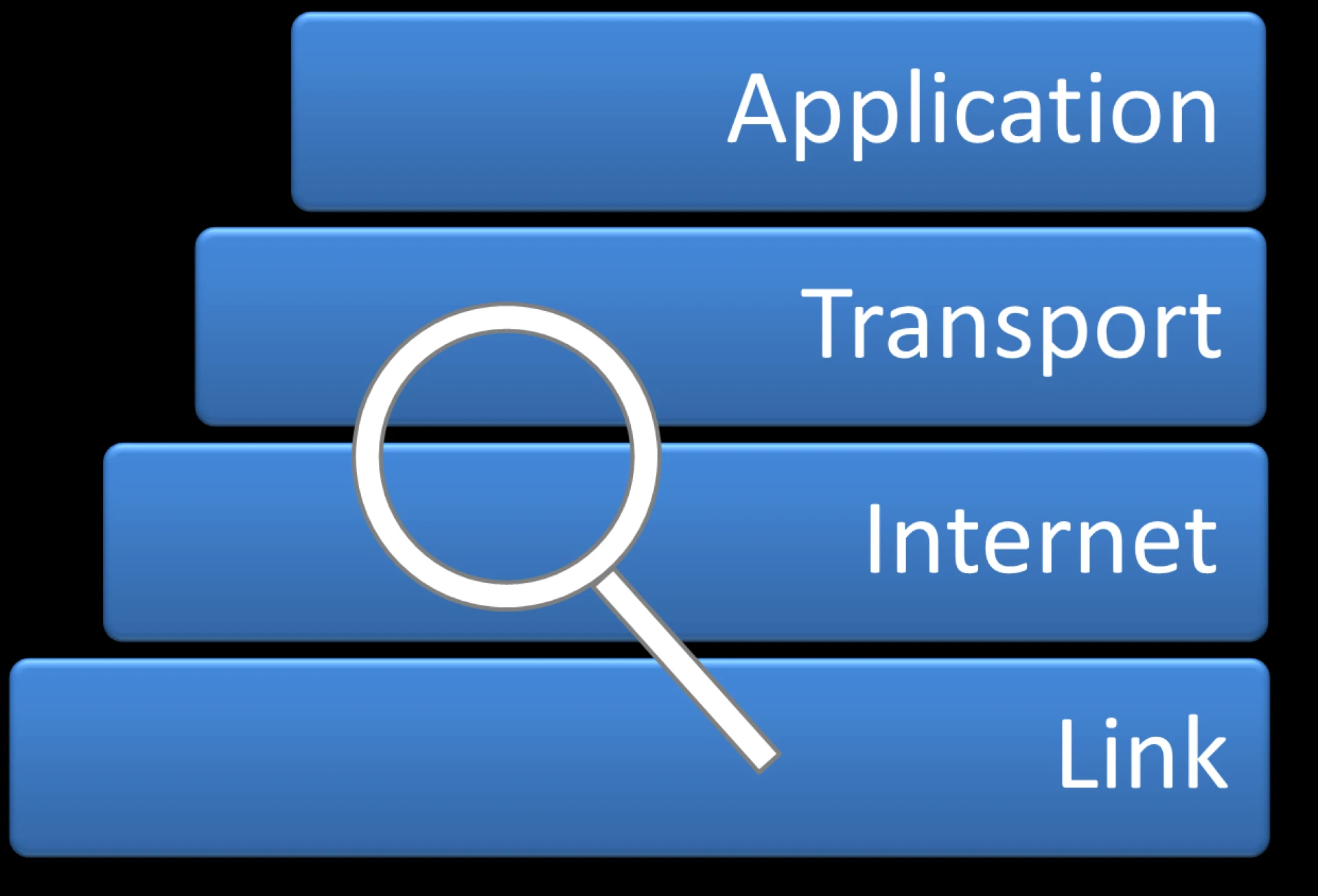
Internet Protocol operates at the network layer of the OSI (Open Systems Interconnection) model. When data is transmitted over the internet, it’s broken into smaller chunks known as packets. Each packet contains:
- Header: Includes metadata such as the source IP address, destination IP address, and other details needed for routing.
- Payload: The actual data being transmitted, such as an email message or a video file.
Routers, which act as traffic directors, read the headers of these packets to determine the best path to their destination. Once the packets arrive, they are reassembled into their original form.
Types of Internet Protocol
There are two primary versions of IP in use today:
- IPv4 (Internet Protocol version 4):
- The most widely used version.
- Utilizes a 32-bit address scheme, supporting approximately 4.3 billion unique addresses.
- Example address: 192.168.0.1.
- Due to the limited number of IPv4 addresses and the explosive growth of internet-connected devices, IPv4 is gradually being supplemented by IPv6.
- IPv6 (Internet Protocol version 6):
- Introduced to address the limitations of IPv4.
- Uses a 128-bit address scheme, allowing for an almost infinite number of unique addresses.
- Example address: 2001:0db8:85a3:0000:0000:8a2e:0370:7334.
- Offers enhanced security features and improved routing efficiency.
Why is Internet Protocol Important?
Internet Protocol is indispensable because it:
- Enables Global Communication: IP ensures that devices across the globe can communicate seamlessly, regardless of differences in hardware, software, or geographical location.
- Supports Scalability: As the internet grows, IP adapts to accommodate more devices and users, especially with the introduction of IPv6.
- Facilitates Interoperability: IP works alongside other protocols, such as Transmission Control Protocol (TCP), to provide reliable and error-free data transmission.
Real-World Applications
- Web Browsing: Every time you visit a website, your device uses IP to send a request to the web server and receive data in return.
- Streaming Services: Platforms like Netflix and YouTube rely on IP to deliver content to users.
- IoT Devices: Smart devices, from thermostats to security cameras, use IP to connect to the internet and interact with each other.
Conclusion
Internet Protocol is the foundation of digital communication, allowing billions of devices to exchange information every second. Whether you're a casual internet user or a tech enthusiast, understanding IP gives insight into the invisible yet vital process that powers the connected world.


















Sign in to leave a comment.