
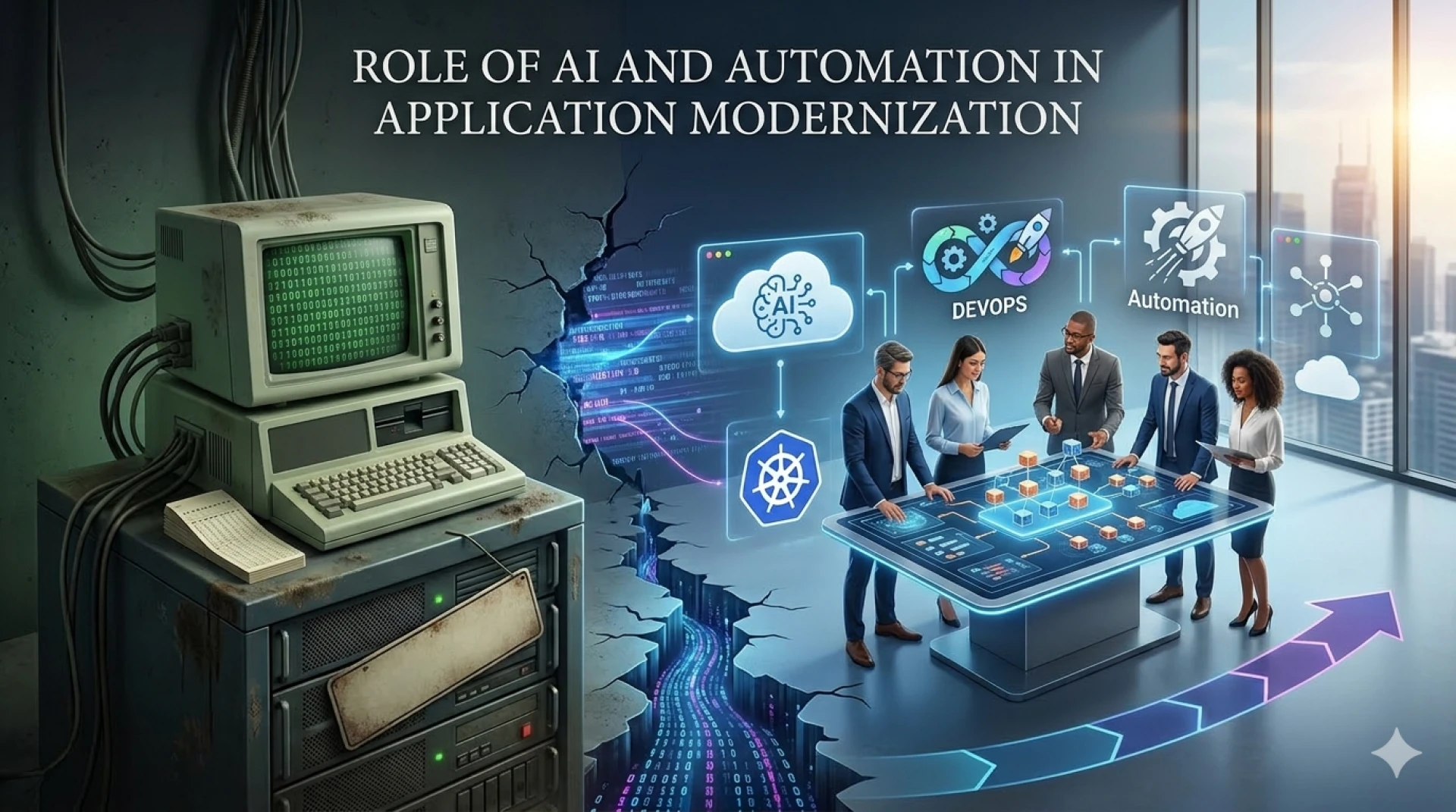
IT Infrastructure Modernization is the strategic process of upgrading an organization's core technology systems to meet today’s performance, security, and scalability demands. As businesses grow more dependent on digital operations, legacy infrastructure often becomes a bottleneck—too slow, too fragile, and too costly to maintain. That’s where modernization comes in. By transforming outdated systems into agile, cloud-enabled environments, organizations create a foundation that supports innovation and long-term growth.
Modernizing IT infrastructure isn’t a trend—it’s a survival strategy. Legacy systems weren’t built for today’s speed of business. They can’t support the real-time data needs, global connectivity, or security standards required in a modern enterprise. Businesses that continue to rely on outdated technology often find themselves drowning in technical debt, unable to pivot, and vulnerable to outages and breaches.
A modern infrastructure goes beyond new servers or faster networks. It’s about rearchitecting the IT environment to align with the demands of modern applications, users, and workflows. This could involve migrating workloads to the cloud, introducing containerization, automating operations, or deploying software-defined technologies. The goal is to create a system that’s faster to scale, easier to manage, and ready for what’s next.
One of the most critical drivers for IT infrastructure modernization is agility. Markets move fast, and customer expectations are higher than ever. Businesses need to launch services quickly, respond to new opportunities in real time, and experiment without fear of disruption. Modern IT makes this possible. It allows for rapid provisioning of resources, automated scaling, and instant global reach.
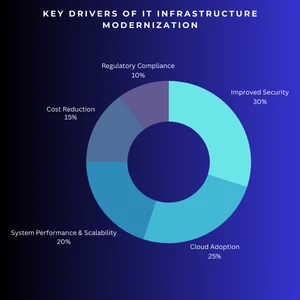
Security is another major motivator. Legacy systems are notoriously hard to secure. They lack visibility, flexibility, and often rely on outdated protocols. In contrast, modern infrastructure comes with built-in security capabilities—identity-based access, zero-trust architecture, continuous monitoring, and proactive threat detection. These tools are essential in a world where cyberattacks are constant and increasingly sophisticated.
Efficiency is also a huge win. Older systems are expensive to maintain. They require more staff, more patches, and more downtime. Modernizing IT infrastructure reduces that burden. Automation cuts down on manual processes. Cloud services eliminate the need for massive capital expenses. Even energy usage improves with newer, more efficient hardware and virtualization.
The cloud plays a central role in most modernization strategies. Whether it's private, public, or hybrid, cloud infrastructure offers unmatched scalability and resilience. It enables global collaboration, remote work capabilities, and seamless integration with modern tools. Businesses can shift from a reactive IT posture to a proactive, value-generating force.
But modernization isn’t just about adopting new tech—it’s also about organizational change. It requires rethinking processes, retraining staff, and often restructuring teams. Culture plays a big role here. Companies need to embrace continuous improvement, cross-functional collaboration, and a willingness to experiment. Without these, even the best tools will underperform.
Data is another area that benefits greatly. Modern IT environments support unified data management, enabling companies to centralize, analyze, and act on their information faster. With integrated platforms and real-time analytics, decision-making becomes smarter, faster, and more strategic.
Of course, modernizing IT infrastructure comes with challenges. There are costs, risks, and potential disruptions. But the cost of doing nothing is higher. Every day spent on legacy systems is a day lost to competitors who are faster, leaner, and more adaptable. That’s why businesses need a clear roadmap—one that starts with assessment, includes stakeholder input, and maps out priorities over time.
To stay competitive, companies must modernize not only their technology but their mindset. IT is no longer just a support function—it’s a business driver. And for IT to lead the way, its foundation must be strong, modern, and future-proof.
IT Infrastructure Modernization is not a one-time event. It’s an ongoing journey that aligns technology with business goals. And for those who do it right, the rewards are huge: faster time to market, greater operational efficiency, stronger security, and a better customer experience. In a digital world, nothing matters more.
Also read: Top 5 API Integration Services Providers in 2025
















Sign in to leave a comment.