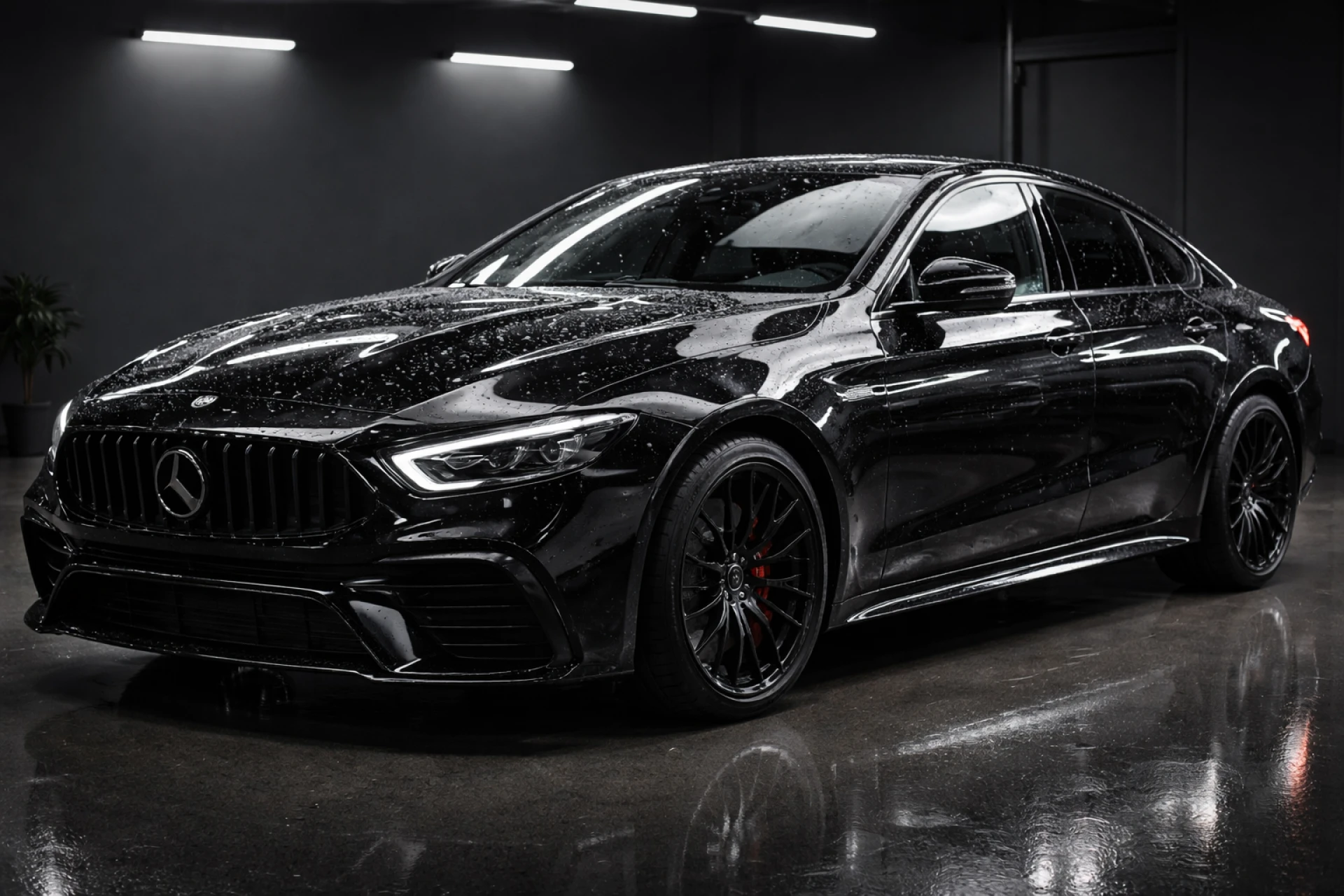

If you’re serious about maintaining your car’s appearance, you’ve probably heard about quartz coating. It’s often mentioned alongside ceramic coatings and paint protection solutions, but many car owners still don’t fully understand what it is or how it works.
Quartz coating is a modern paint protection solution designed to enhance your car’s shine while providing a durable protective layer against environmental damage. In this guide, we’ll break down everything you need to know, from how it works to its benefits, application process, and whether it’s worth the investment.
What Is Quartz Coating?
Quartz coating is a liquid polymer applied to a vehicle’s exterior surfaces. It chemically bonds with the car’s factory paint, creating a semi-permanent protective layer.
The key ingredient in quartz coating is silicon dioxide (SiO₂), the same compound found in quartz crystals. Once applied, it forms a hard, glass-like layer that protects your vehicle from contaminants, UV rays, and minor scratches.
Unlike traditional waxes or sealants, quartz coating doesn’t just sit on top of the paint, it bonds with it, offering longer-lasting protection and a more durable finish.
How Does Quartz Coating Work?
Quartz coating works by forming a microscopic layer over your car’s paint. This layer fills in tiny imperfections and creates a smooth, hydrophobic surface.
Chemical Bonding
When applied correctly, quartz coating bonds at a molecular level with your car’s clear coat. This bond ensures the coating doesn’t wash away easily.
Hydrophobic Effect
One of the standout features of quartz coating is its water-repelling ability. Water beads up and rolls off the surface, taking dirt and contaminants with it.
Protective Barrier
The coating acts as a shield against:
- UV rays (prevents fading and oxidation)
- Dirt and grime
- Bird droppings
- Tree sap
- Road salts and chemicals
Quartz Coating vs Ceramic Coating
Quartz coating and ceramic coating are often used interchangeably, but there are subtle differences worth noting.
Composition Differences
- Quartz coating: Primarily SiO₂-based
- Ceramic coating: May include additional compounds like titanium dioxide (TiO₂)
Durability
Ceramic coatings are generally more durable and longer-lasting, but quartz coatings still provide excellent protection for most users.
Cost Comparison
Quartz coating is typically more affordable than high-end ceramic coatings, making it a popular choice for car enthusiasts on a budget.
Performance Comparison
If you’re researching wax vs ceramic coating for cars, quartz coating sits somewhere in between, offering better durability than wax while being more accessible than premium ceramic options.
Benefits of Quartz Coating
Quartz coating offers a wide range of benefits that go beyond just aesthetics.
Enhanced Gloss and Shine
One of the most noticeable advantages is the deep, mirror-like finish it gives your car. It enhances the color and clarity of your paint.
Long-Lasting Protection
Unlike wax that lasts weeks or months, quartz coating can last 1–3 years with proper maintenance.
Easy Maintenance
Thanks to its hydrophobic properties, your car stays cleaner for longer. Washing becomes easier and less frequent.
UV Protection
Quartz coating protects your car’s paint from harmful UV rays, preventing fading and oxidation.
Chemical Resistance
It shields your car from harsh chemicals like road salts and acidic contaminants.
Quartz Coating Application Process
Applying quartz coating is not as simple as waxing your car. Proper preparation is crucial for achieving the best results.
Step 1: Thorough Cleaning
The car must be washed to remove dirt, grease, and contaminants.
Step 2: Paint Decontamination
This includes clay bar treatment to remove embedded particles from the paint surface.
Step 3: Paint Correction
Any swirl marks, scratches, or imperfections are corrected through polishing.
Step 4: Coating Application
The quartz coating is applied evenly using an applicator pad.
Step 5: Curing
The coating needs time to cure and bond with the paint. This can take several hours to days, depending on the product.
DIY vs Professional Application
One common question is whether you should apply quartz coating yourself or hire a professional.
DIY Application
Pros:
- Cost-effective
- Convenient
Cons:
- Requires skill and precision
- Risk of uneven application
Professional Application
Pros:
- Expert-level finish
- Better durability
- Proper surface preparation
Cons:
- Higher cost
How Long Does Quartz Coating Last?
The lifespan of quartz coating depends on several factors:
- Quality of the product
- Application method
- Maintenance routine
- Environmental conditions
On average, quartz coating lasts between 1 to 3 years.
Maintenance Tips for Quartz-Coated Cars
To maximize the lifespan of your coating, follow these maintenance tips:
Regular Washing
Use pH-neutral car shampoos to avoid degrading the coating.
Avoid Automatic Car Washes
Harsh brushes can damage the coating.
Use Microfiber Towels
Prevent scratches during drying.
Apply Maintenance Sprays
Boost the hydrophobic effect and extend durability.
Common Myths About Quartz Coating
There are several misconceptions about quartz coating that need clarification.
“It Makes Your Car Scratch-Proof”
Quartz coating provides resistance to minor scratches but does not make your car completely scratch-proof.
“It Eliminates the Need for Washing”
While it keeps your car cleaner, regular washing is still necessary.
“It Lasts Forever”
Quartz coating is durable but not permanent. It requires maintenance and eventual reapplication.
Is Quartz Coating Worth It?
Whether quartz coating is worth it depends on your priorities.
It’s Worth It If You:
- Want long-lasting shine and protection
- Prefer low-maintenance car care
- Care about preserving your car’s resale value
It May Not Be Worth It If You:
- Prefer low upfront costs
- Don’t mind frequent waxing
- Own an older vehicle with paint damage
Quartz Coating vs Other Paint Protection Options
Let’s see how quartz coating compares to other common options.
Quartz Coating vs Wax
- Quartz lasts significantly longer
- Wax is cheaper but requires frequent reapplication
Quartz Coating vs Paint Protection Film (PPF)
- PPF provides physical protection against rock chips
- Quartz coating focuses on shine and chemical resistance
Quartz Coating vs Sealants
- Sealants offer moderate protection
- Quartz coating provides superior durability and gloss
Cost of Quartz Coating
The cost of quartz coating varies depending on:
- Vehicle size
- Product quality
- Professional vs DIY application
Average Pricing
- DIY kits: $50–$200
- Professional application: $300–$1000+
Future of Car Paint Protection
Quartz coating represents a step forward in automotive care, but innovation continues.
Emerging trends include:
- Graphene coatings
- Hybrid ceramic-quartz solutions
- Self-healing coatings
These advancements promise even better durability and performance.
Conclusion
Quartz coating is an excellent option for car owners who want a balance between affordability, durability, and performance. It offers superior protection compared to traditional wax while enhancing your car’s appearance with a deep, glossy finish.
While it may not be as advanced as high-end ceramic coatings, it delivers impressive results for most everyday drivers. With proper application and maintenance, quartz coating can keep your vehicle looking newer for longer, making it a smart investment for both aesthetics and protection.






















Sign in to leave a comment.