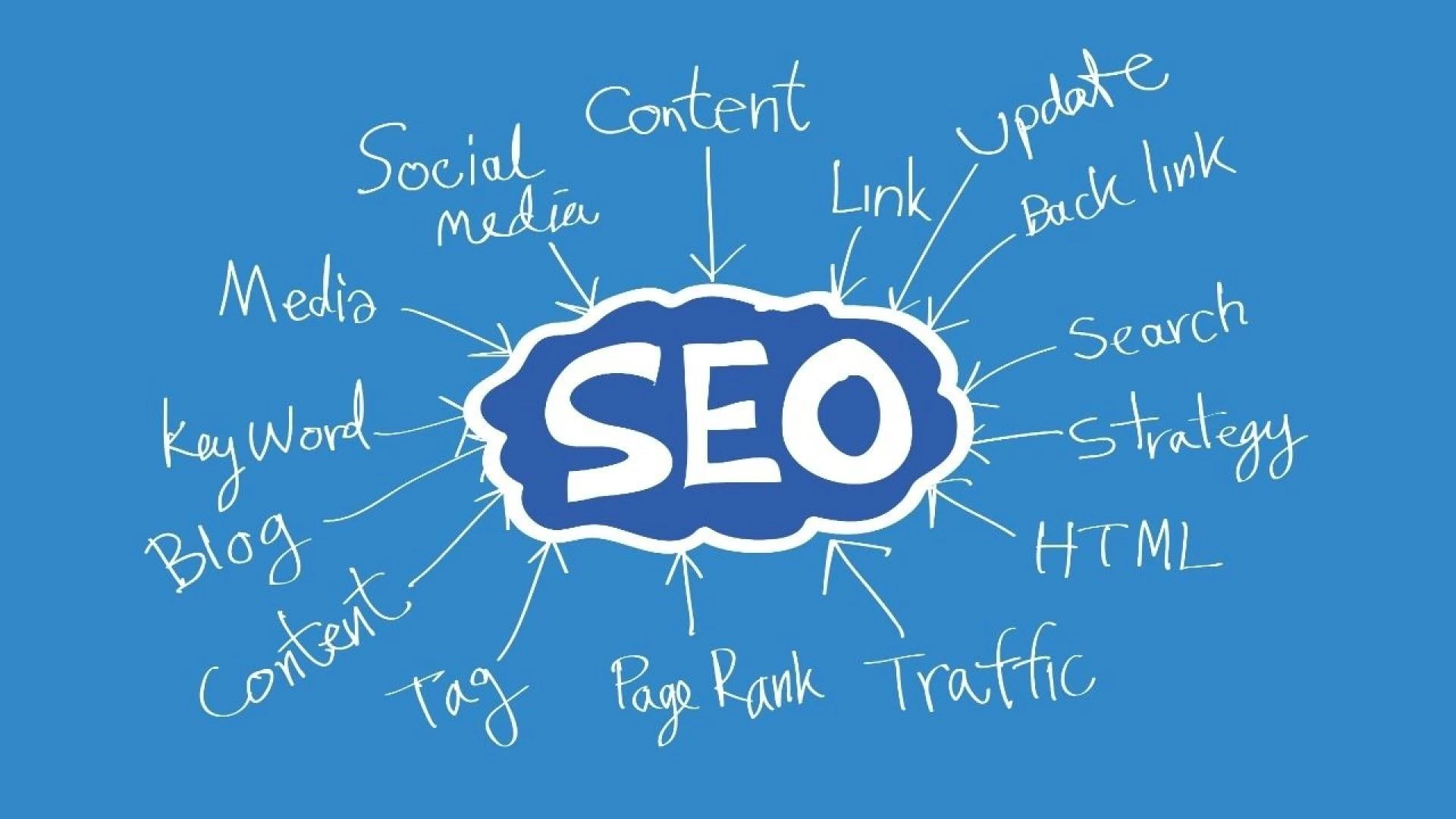

If you've ever wondered how certain websites end up at the top of Google search results, the answer lies in Search Engine Optimization (SEO). It's one of the most powerful digital marketing strategies available—and it's essential for any business looking to grow online.
What Is SEO?
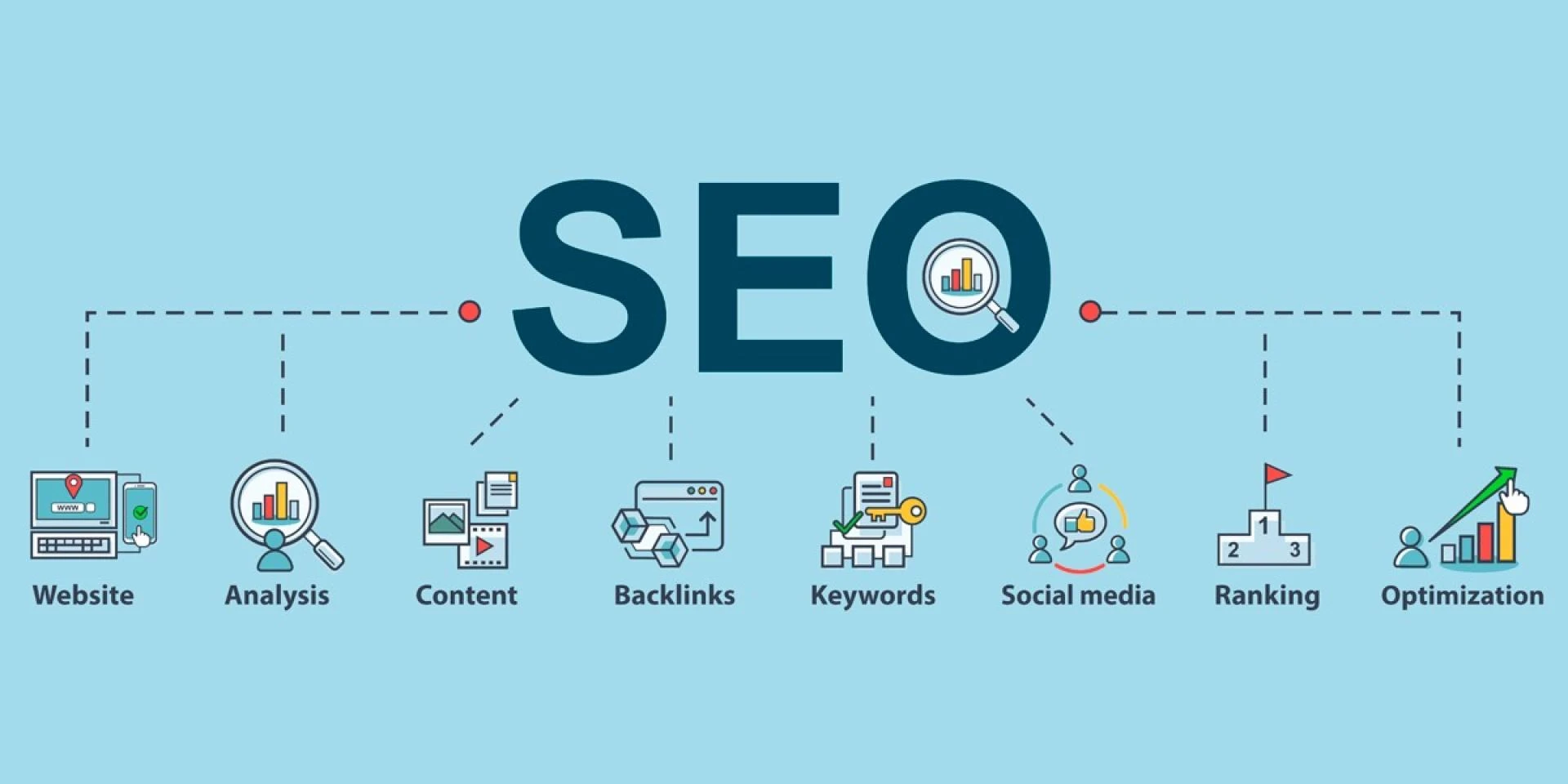
SEO stands for Search Engine Optimization, a set of techniques used to improve a website’s visibility in search engine results pages (SERPs). When someone searches for products or services related to your business, SEO helps your website appear higher in the results, increasing the chance they’ll click through to your site.
SEO isn’t just about keywords—although those matter. It’s also about improving the structure, speed, usability, and authority of your site so that both users and search engines trust and understand your content.
Why SEO Matters
1. Increased Visibility
With billions of searches happening on Google every day, SEO puts your business in front of people who are actively looking for what you offer. Better rankings mean more traffic—and more opportunities to convert visitors into customers.
2. Cost-Effective Marketing
Unlike paid ads, SEO generates organic traffic, which means once you’re ranking, clicks to your website are essentially free. While SEO takes time and effort, the long-term ROI is often much higher than traditional advertising.
3. Builds Trust and Credibility
Websites that rank on the first page of Google are often seen as more credible and trustworthy. Good SEO includes quality content, secure browsing (HTTPS), fast load times, and a mobile-friendly design—all of which contribute to a positive user experience.
4. Targets Your Ideal Audience
SEO allows you to reach people at various stages of the buyer’s journey—from information seekers to ready-to-buy customers. By optimizing for intent-based keywords, you attract traffic that is more likely to convert.
Key Components of SEO
- On-Page SEO: Optimizing titles, headers, meta descriptions, keywords, and content structure.
- Technical SEO: Enhancing crawlability, site speed, mobile responsiveness, and indexation.
- Off-Page SEO: Building backlinks and brand mentions from reputable sites.
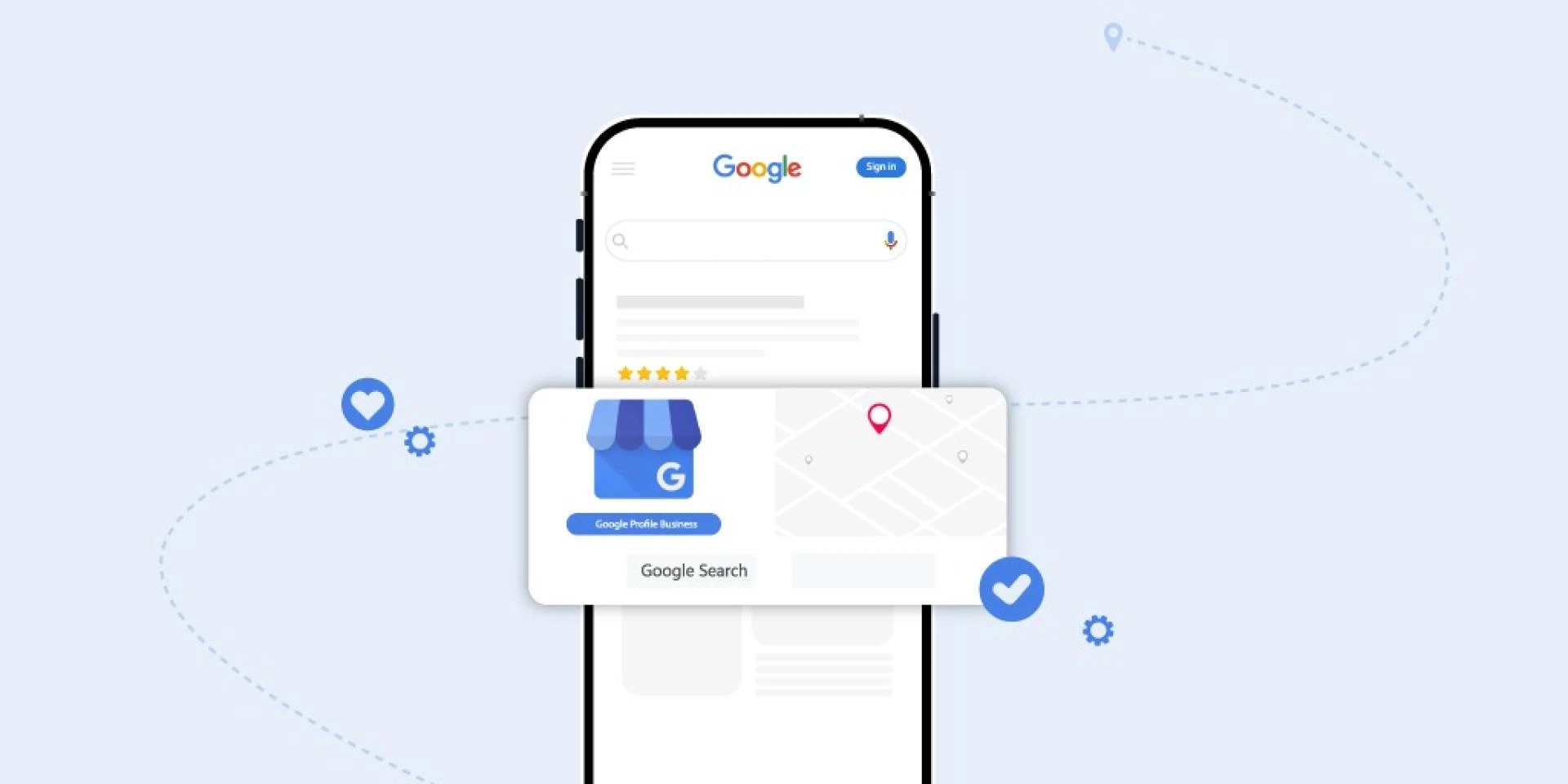
- Local SEO: Improving your visibility in local searches and Google Maps.
How to Get Started with SEO
SEO can be complex, but the results are worth it. Whether you’re a small local business or an eCommerce brand, starting with a strategy built around your goals is key. Many businesses partner with SEO experts or invest in professional SEO services to ensure they’re using the latest techniques and staying ahead of search engine algorithm updates.




























Sign in to leave a comment.