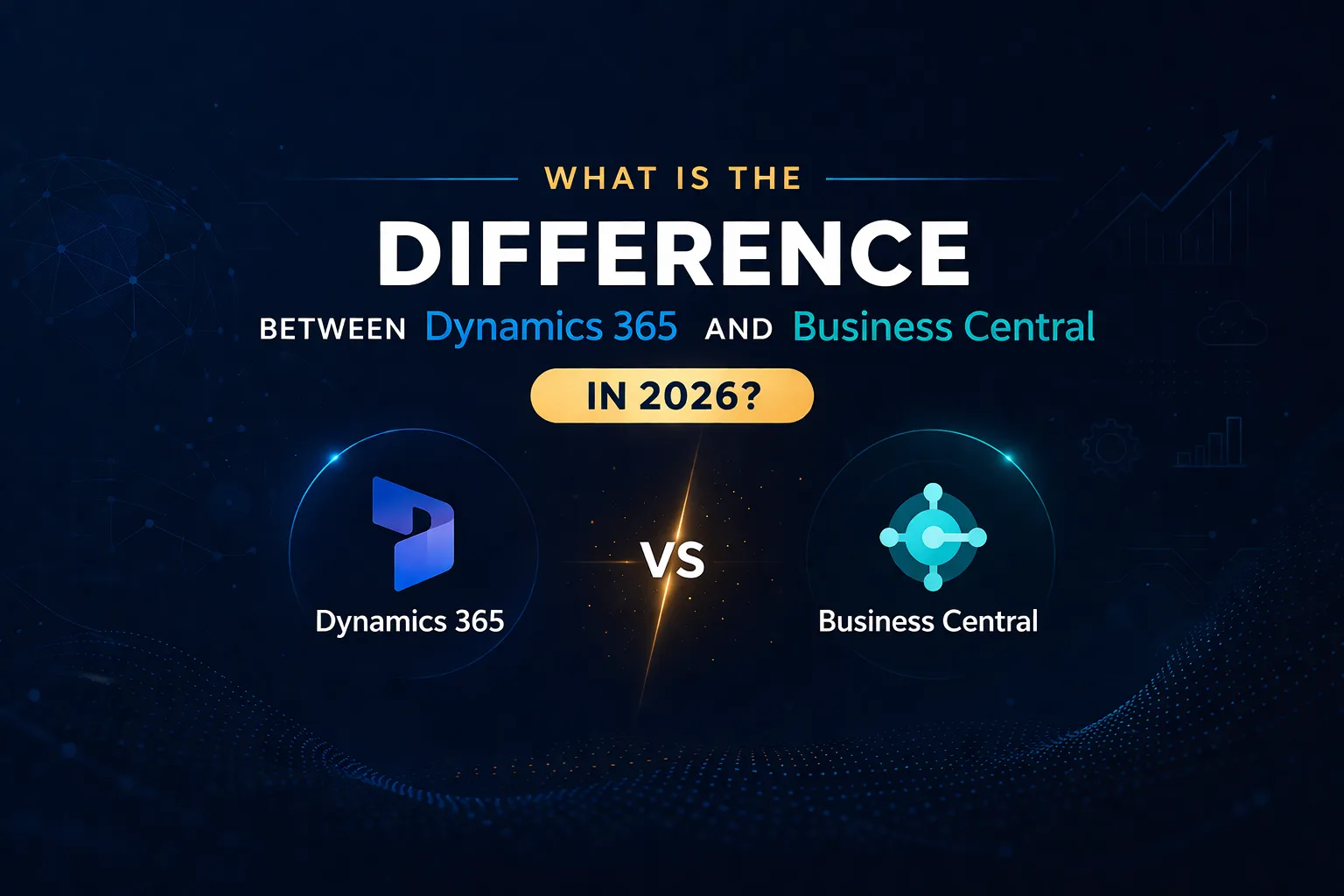

Understanding the difference between Dynamics 365 and Business Central—and knowing which one best suits your organization—can be confusing. While Business Central is part of the broader Dynamics 365 suite, it serves a specific function as Microsoft’s ERP solution for small and medium-sized businesses. To clarify how these solutions differ and where they overlap, it is helpful to explore what each offers within the Microsoft ecosystem.
Are you interested in learning more about how Microsoft technology can empower your organization? Register for our upcoming webinar, in collaboration with Creative Computing: "The Connected Nonprofit: Connecting Fundraising, Finance, and Mission Through AI."
Dynamics 365: A Simple Definition
Dynamics 365 is Microsoft’s suite of cloud-based business applications designed to connect customers, people, operations, and data into one intelligent platform. It brings together both CRM (customer relationship management) and ERP (enterprise resource planning) capabilities, allowing organizations to manage everything from sales and marketing to finance and operations in a connected way.
Rather than being a single product, Dynamics 365 is made up of multiple applications that can be used individually or combined to create a tailored business solution.
The CRM side of Dynamics 365
The CRM applications within Dynamics 365 focus on how organizations engage with prospects and customers. These tools are designed to enhance customer experiences, improve visibility across pipelines, and drive more meaningful interactions at every stage of the journey.
Key CRM applications include:
- Dynamics 365 Sales, which supports sales teams with opportunity tracking, pipeline visibility, forecasting, and AI-driven insights that help close deals more effectively.
- Dynamics 365 Customer Insights – Journeys, which enables organizations to plan, automate, and personalize marketing campaigns while nurturing leads over time.
- Dynamics 365 Customer Insights – Data, which brings together customer data from multiple sources into a single, unified profile to support smarter decision-making.
- Dynamics 365 Customer Service, which helps teams deliver efficient, consistent support across channels while improving satisfaction and resolution times.
The ERP side of Dynamics 365
The ERP applications focus on running the operational backbone of the business. These tools help organizations manage finances, supply chains, projects, and resources with greater accuracy and control.
Key ERP applications include:
- Dynamics 365 Finance, which automates financial processes, strengthens reporting, supports compliance, and provides greater visibility into performance.
- Dynamics 365 Business Central, an all-in-one ERP solution designed primarily for small to mid-sized organizations, covering finance, operations, sales, and service.
- Dynamics 365 Supply Chain Management, which helps optimize inventory, warehousing, manufacturing, and logistics.
- Dynamics 365 Project Operations, supporting project-based organizations with resource planning, billing, and profitability tracking.
- Dynamics 365 Commerce, which connects retail, e-commerce, and back-office systems to deliver seamless customer experiences.
Together, these applications form an integrated platform that allows organizations to scale efficiently while maintaining a clear view across departments.
Dynamics 365 Business Central: Microsoft’s ERP Solution
As the name suggests, Business Central is not separate from Dynamics 365 — it is one of its ERP applications. The key difference lies in how much of the Dynamics 365 suite an organization chooses to use.
Businesses that only implement Microsoft Dynamics 365 Business Central gain a powerful, self-contained ERP system. Those that adopt multiple Dynamics 365 applications benefit from a broader, more deeply connected digital ecosystem.
When is it best to use Dynamics 365 Business Central?
Business Central is best suited for small to mid-sized organizations that need strong financial management and operational capabilities without the complexity of enterprise-grade systems.
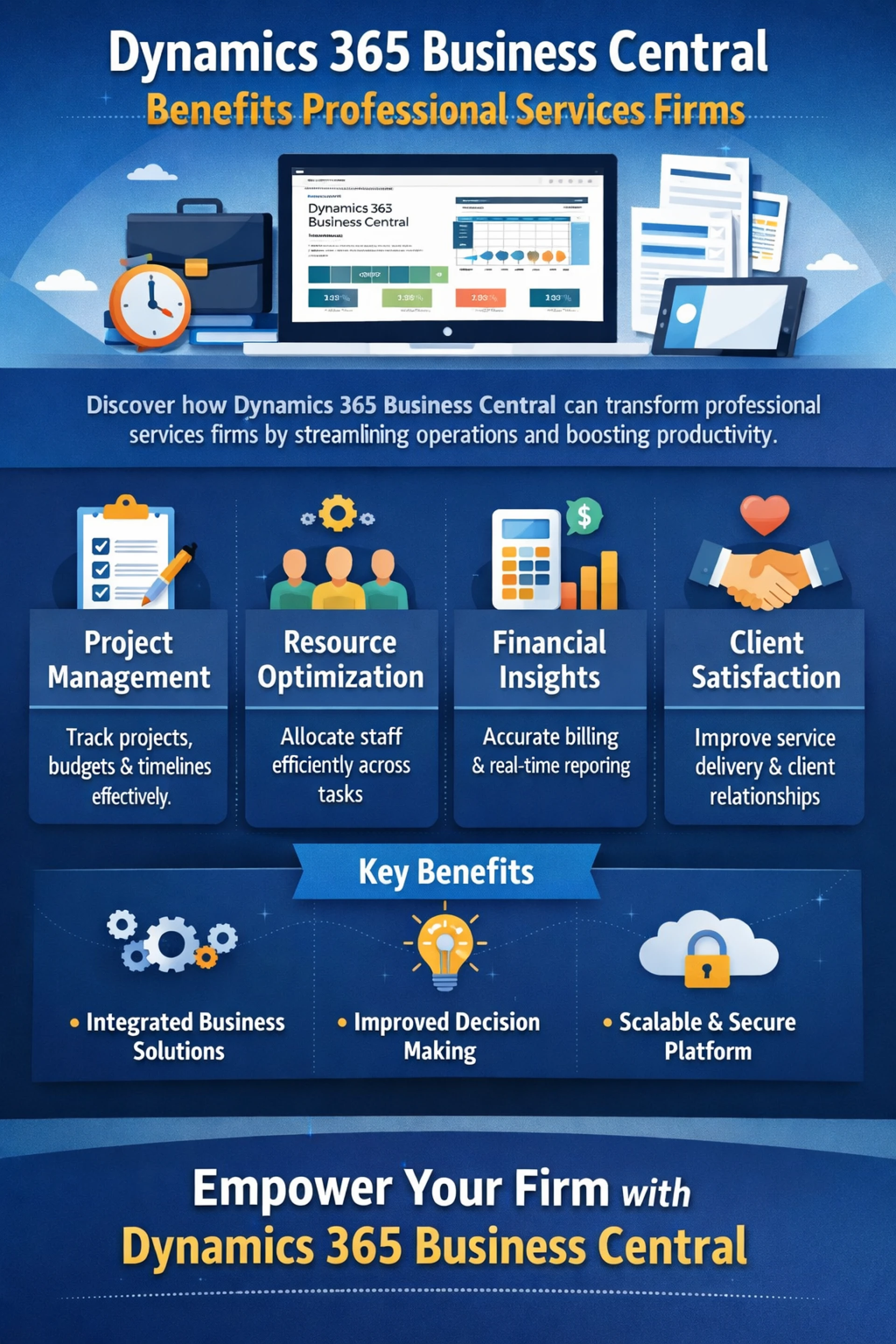
It supports a wide range of processes, including finance, inventory, manufacturing, project management, and service operations. For organizations that want a single platform to manage these areas efficiently, Business Central offers a practical and scalable solution that can grow alongside the business.
Does Business Central have CRM capabilities?
Business Central includes basic CRM-style features such as contact management, customer records, opportunity tracking, and sales quotes. In recent updates, Microsoft has added AI-driven functionality that enhances these capabilities.
For example, tools like Sales Order Copilot can now extract key information from emails or attachments and automatically generate quotes or orders, reducing manual input and improving accuracy.
However, for organizations that require advanced CRM features — such as lead scoring, marketing automation, customer journey orchestration, or full customer service management — dedicated Dynamics 365 CRM applications remain the better option.
What applications does Business Central integrate with?
Business Central can operate as a standalone solution, which is ideal for organizations with straightforward requirements. One of its biggest strengths, however, is its ability to integrate seamlessly with other Dynamics 365 applications and the wider Microsoft ecosystem.
As business needs evolve, companies can extend their solution by adding sales, marketing, or customer service applications without replacing their ERP system. This modular approach allows organizations to invest gradually while avoiding unnecessary disruption.
For example, a business may rely on Business Central for core operations while integrating Dynamics 365 Sales and marketing tools to improve customer engagement and revenue growth.
Purchasing and Licensing Considerations
Each application within the Dynamics 365 suite is licensed separately, with pricing tiers based on functionality and usage. Some applications are more costly than others, depending on their scope and capabilities.
That said, organizations using multiple Dynamics 365 applications can often benefit from bundled or discounted pricing as part of the broader Microsoft ecosystem. Understanding licensing early in the decision-making process is crucial to aligning costs with business value.
Dynamics 365 vs Business Central: Final Verdict
In summary, Business Central is an integral part of the Dynamics 365 family, designed specifically as an ERP solution for small to mid-sized organizations. It delivers strong financial and operational functionality and can operate independently or as part of a larger, connected platform.
Organizations that combine Business Central with other Dynamics 365 applications unlock deeper insights, greater automation, and a more connected digital experience. Choosing the right mix depends on business size, goals, and long-term strategy — but with Microsoft Dynamics, flexibility is always built in.
If you would like expert guidance on Microsoft Dynamics 365 Business Central, understanding how it fits into your organization, or exploring integration options, Talk with Our ERP Specialist can help ensure you get the maximum value from your investment.


























Sign in to leave a comment.