

Pregnancy is one of the most transformative and beautiful experiences in a woman’s life. It’s a journey filled with emotional changes, physical developments, and anticipation for the arrival of a new life. However, pregnancy also brings several medical and physiological changes that require expert care and guidance. This is where a gynecologist plays a vital role. From preconception counseling to post-delivery recovery, the gynecologist ensures that both the mother and baby remain healthy and safe throughout this journey.
In this article, we’ll explore the role of a gynecologist in pregnancy care and delivery, highlighting each stage of care—before, during, and after childbirth—and how having the right specialist can make a world of difference.
1. The Role of a Gynecologist Before Pregnancy
Pregnancy care doesn’t begin when you conceive—it starts even before that. A gynecologist plays a key role in preconception care, helping women prepare their bodies and minds for a healthy pregnancy.
a. Preconception Counseling:
The gynecologist assesses your overall health, reviews your medical history, and may recommend certain tests or lifestyle changes. If you have underlying health conditions like diabetes, hypertension, or thyroid issues, the gynecologist will help manage them to minimize pregnancy risks.
b. Fertility Guidance:
For couples struggling to conceive, the gynecologist evaluates possible causes of infertility. They may suggest ovulation tracking, hormonal tests, or assisted reproductive techniques depending on the situation.
c. Immunization and Supplements:
Before conception, the gynecologist ensures that the woman’s immunizations are up to date (like rubella or hepatitis B vaccines). They may also prescribe folic acid and other prenatal vitamins to improve fertility and reduce the risk of birth defects.
This initial phase is essential for a smooth and safe pregnancy, as it sets the foundation for maternal and fetal health.
2. The Role of a Gynecologist During Pregnancy
Once pregnancy is confirmed, the gynecologist becomes an integral part of every stage of the journey. Their expertise ensures that both the mother and baby are closely monitored, and any complications are identified early.
a. Regular Antenatal Check-ups:
Gynecologists schedule regular check-ups—usually monthly in the first two trimesters and weekly in the last month—to track fetal growth, monitor vital signs, and ensure the pregnancy is progressing normally. During these visits, they check blood pressure, weight, urine tests, and fetal heart rate.
b. Diagnostic Tests and Screenings:
The gynecologist recommends ultrasound scans, blood tests, and other diagnostic procedures to monitor fetal development and screen for potential genetic or chromosomal abnormalities. These include the NT scan, anomaly scan, and glucose tolerance tests.
c. Nutritional and Lifestyle Counseling:
A gynecologist provides personalized advice on diet, exercise, and mental well-being. Proper nutrition during pregnancy is essential for fetal development and the mother’s energy levels. They may also suggest safe forms of physical activity like prenatal yoga or walking.
d. Managing Pregnancy Symptoms and Complications:
Morning sickness, fatigue, back pain, and swelling are common pregnancy symptoms. However, sometimes complications like gestational diabetes, preeclampsia, or preterm labor may occur. The gynecologist identifies these risks early and manages them with medications, dietary changes, or hospitalization if necessary.
e. Emotional and Psychological Support:
Pregnancy can bring emotional ups and downs. A compassionate gynecologist provides reassurance, answers questions, and supports the expectant mother’s mental health. Their guidance helps reduce anxiety and builds confidence for childbirth.
3. The Role of a Gynecologist During Labor and Delivery
Labor and delivery are perhaps the most crucial phases where the gynecologist’s skills and experience truly shine. Whether the delivery is normal or requires medical intervention, the gynecologist ensures safety, comfort, and a positive birth experience.
a. Monitoring Labor Progress:
During labor, the gynecologist closely monitors uterine contractions, fetal heart rate, and cervical dilation. They determine whether the labor is progressing normally or if interventions are necessary.
b. Normal (Vaginal) Delivery:
In cases of uncomplicated pregnancies, the gynecologist assists with vaginal delivery, guiding the mother through the process and ensuring that both she and the baby are safe. They manage pain relief options like epidurals or breathing techniques and handle any minor complications that may arise.
c. Cesarean Section (C-Section):
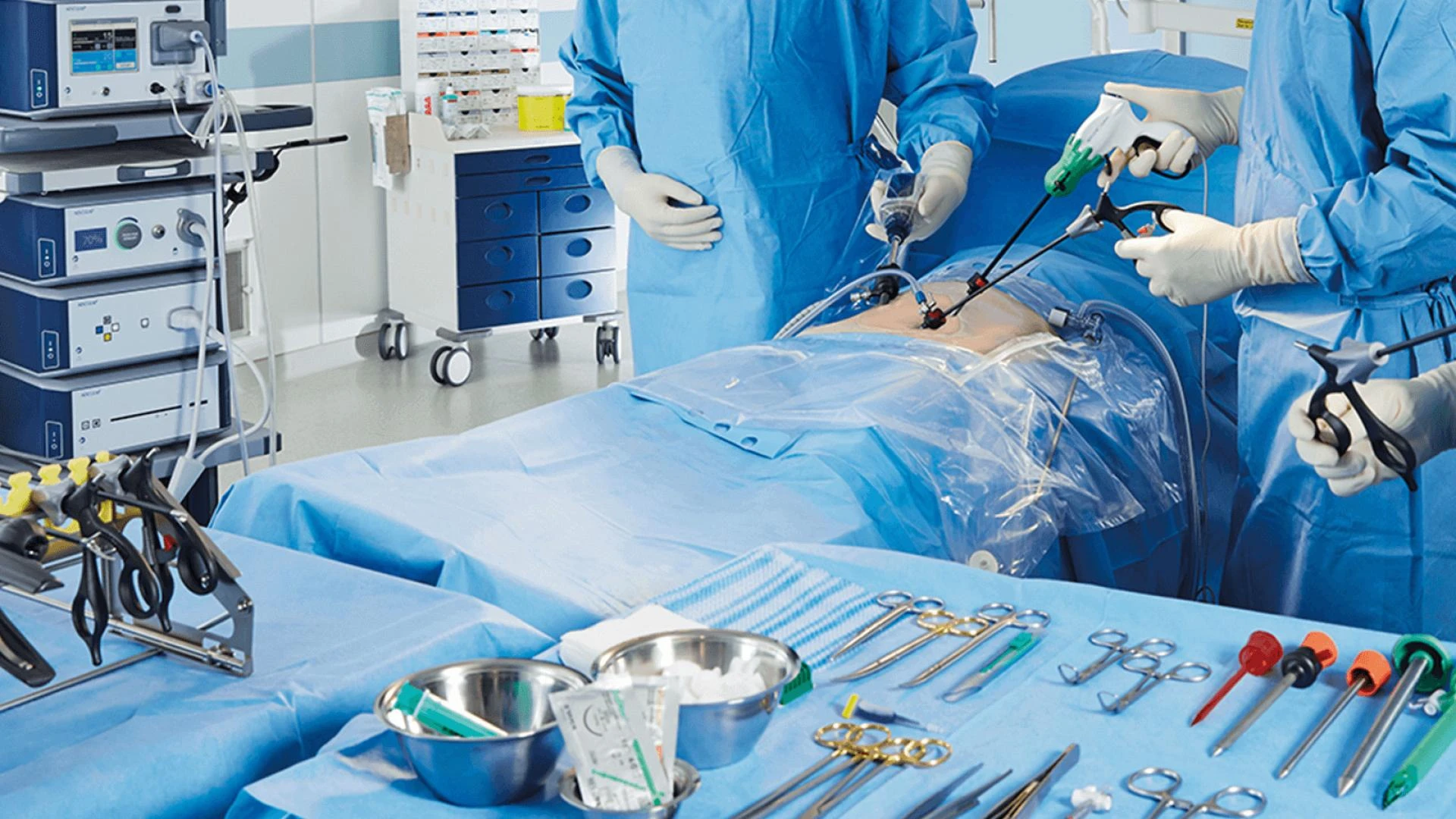
If the baby shows signs of distress, labor stalls, or complications occur (like placenta previa or umbilical cord issues), the gynecologist performs a C-section. Their surgical expertise ensures the safe delivery of the baby and minimizes risks for the mother.
d. Immediate Post-Delivery Care:
After birth, the gynecologist examines the placenta, checks for bleeding, and ensures the mother’s uterus is contracting properly. They also assess the newborn’s initial health and may collaborate with a pediatrician for further care.
4. Postnatal Care: The Role of a Gynecologist After Delivery
The gynecologist’s role doesn’t end after delivery. Postnatal care is crucial for the mother’s physical and emotional recovery and for ensuring the baby’s well-being.
a. Monitoring Recovery:
After childbirth, a woman’s body undergoes significant changes. The gynecologist monitors her recovery, checks for infections, manages stitches or surgical wounds, and ensures that uterine bleeding is normal.
b. Breastfeeding Guidance:
Many new mothers face challenges in breastfeeding. The gynecologist provides guidance on proper techniques, helps manage nipple pain or mastitis, and ensures the baby is feeding well.
c. Contraception and Family Planning:
The gynecologist discusses family planning options, helping parents choose the right contraceptive method based on their preferences and health.
d. Mental Health Support:
Postpartum depression and mood swings are common. A gynecologist identifies these signs early and refers patients to appropriate mental health support if needed.
5. Choosing the Right Gynecologist for Pregnancy Care
Selecting the right gynecologist is one of the most important decisions for any expectant mother. A good gynecologist not only provides medical expertise but also offers empathy, understanding, and a sense of comfort throughout the journey. When looking for the Top Gynecologist Doctor in Aligarh, it’s important to consider factors such as experience, hospital facilities, and patient reviews.
One trusted healthcare center for comprehensive maternity and women’s health services is Renuka Hospital Aligarh. The hospital is well-known for its expert team of obstetricians and gynecologists who provide personalized care to every patient. From advanced prenatal screening to safe delivery and postnatal care, Renuka Hospital offers complete support for mothers-to-be.
6. The Importance of Trust and Communication
Pregnancy can be both exciting and overwhelming. Having open and honest communication with your gynecologist helps you navigate every phase confidently. Whether it’s discussing symptoms, birth plans, or pain management options, your doctor is there to guide you every step of the way. Building this trust ensures that your pregnancy and delivery experience remains positive and stress-free.
Conclusion
A gynecologist plays a pivotal role in ensuring a safe, healthy, and joyful pregnancy journey. From helping you conceive to guiding you through delivery and postpartum recovery, they are your partners in one of life’s most beautiful experiences. Their expertise, empathy, and care help women navigate the physical, emotional, and psychological aspects of pregnancy with confidence.
Choosing an experienced gynecologist and a reputable hospital like Renuka Hospital Aligarh ensures that you receive the best possible care at every stage. Whether it’s regular check-ups, managing complications, or providing emotional reassurance, your gynecologist remains by your side—supporting, guiding, and celebrating the miracle of life with you.

































Sign in to leave a comment.