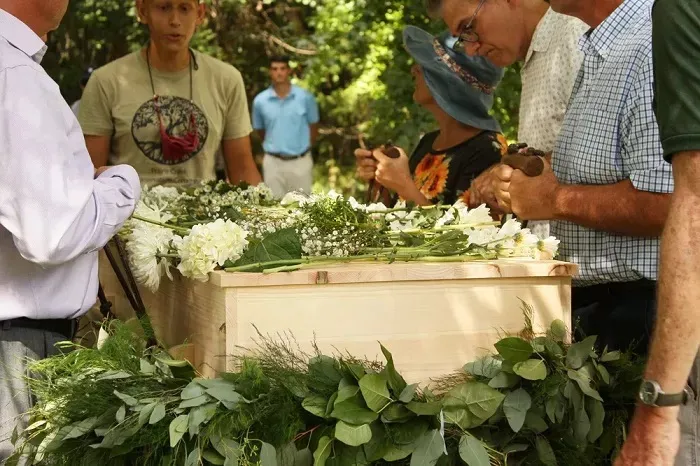

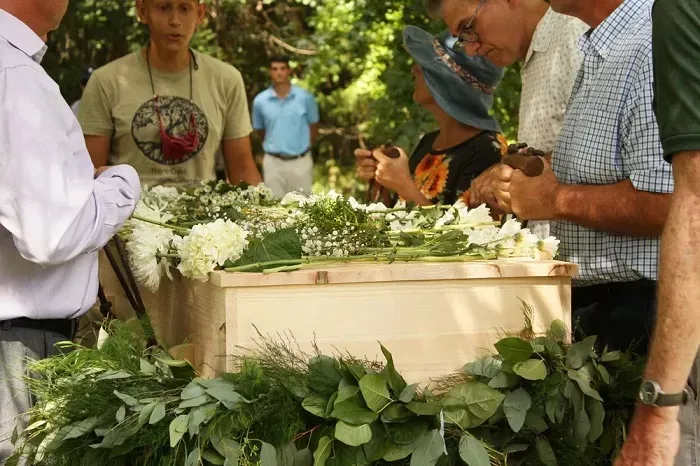
Tree burial is a contemporary approach to handling human remains that merges funeral practice with ecological stewardship. While traditional burial methods have dominated many cultures for centuries, there has been growing interest in more environmentally friendly alternatives. One such movement is tree burial, where the final resting place of a loved one is marked not by stone but by a living tree. Often associated with broader concepts like natural burial and conservation cemeteries, tree burial reflects changing societal values toward sustainability, remembrance, and the cycle of life and death.
Understanding tree burial requires looking at both its practical procedures and symbolic meaning. From forests dedicated to the interment of cremated remains to designs that encourage bodies or ashes to nourish trees, this approach represents a convergence of biology, memorialization, and environmental ethics. In this article, we explore what tree burial entails, its history, key practices, types, benefits, cultural variations, legal considerations, environmental impacts, and emotional significance for families and communities.
What Is Tree Burial?
Tree burial generally refers to a type of burial where a tree is central to the memorialization of the deceased. In many contemporary forms, the cremated remains of the person are interred at the base of a chosen tree, which becomes a living memorial. The tree may be planted specifically for this purpose or selected among existing trees in a forest or cemetery designated for natural burials. Such burial sites often avoid traditional tombstones, instead using small plaques or markers near the tree to note the individual’s name and life.
In some variations—often discussed within the context of “tree pod burial”—the body is placed in a biodegradable pod designed to promote decomposition and nutrient return to the soil, with a tree planted above it. Although some designs are more conceptual than widely implemented, the core idea remains: facilitating a return to nature and contributing to the growth of plant life from human remains.
Historical and Cultural Background
The idea of returning the body to nature is not new; many ancient cultures buried their dead in ways designed to integrate with the environment. However, the modern tree burial movement—especially as a distinct practice—has gained momentum more recently as part of the broader natural burial and green funeral movements that began in the late 20th century. These practices question the ecological impact of embalming, concrete vaults, and metal caskets, proposing a simpler, kinder method of body disposition that supports the life cycle of the surrounding ecosystem.
In Japan, a structured concept of tree burial emerged around 1999 and was developed by Buddhist clergy as a response to limited burial space and a desire to reconnect with traditional relationships between humans and nature. These Japanese forest cemeteries are carefully maintained, with each burial marked by a tree, contributing to forest rehabilitation and offering a peaceful, natural environment for remembrance.
Core Principles Behind Tree Burial
Tree burial rests on several foundational principles:
Ecological harmony: Bodies or cremated remains are entrusted to the earth in a way that nurtures plant life and supports soil ecosystems.
Minimal environmental impact: The use of biodegradable materials and avoidance of chemical preservatives reduce pollution of soil and water.
Living memorials: Trees serve not only as symbols of life but as lasting, evolving gravesites that change with the seasons.
Natural aesthetics: Forested burial sites and tree-lined resting places provide tranquil landscapes for grieving and reflection.
How Tree Burial Works
The process of tree burial may vary depending on location, local laws, cultural practices, and whether full-body or cremated remains are involved. Below is a general outline of common procedures:
1. Choosing the Tree or Site
One of the first steps in planning a tree burial is selecting a suitable tree or location. This can be done during a person’s lifetime as a form of pre-plan or by family members after death. Many natural burial grounds, parks, or forest cemeteries allow families to choose from available trees or reserve a specific tree in advance.
2. Funeral and Cremation
In most tree burial practices, cremation precedes burial. After the cremation process, the urn containing the ashes is transported to the chosen burial site. In some cases, full-body burial under a sapling or tree is possible if permitted by regulations and conducted using biodegradable containers.
3. Interment Ceremony
The burial ceremony can be religious, secular, or personalized according to the family’s wishes. Whether in silence among the trees or with music and spoken tributes, the event usually centers on honoring the deceased and celebrating their connection to nature.
4. Planting and Memorialization
At the burial site, a biodegradable urn or container with the remains is laid at the tree’s root zone. This spot becomes both a grave and a memorial. A plaque or small marker may be added to the tree to identify the individual and provide a place for family visits. Over time, the tree grows stronger, serving as a living monument to the person’s life.
Types of Tree Burial
Tree burial approaches can differ based on geographic and cultural contexts. Some prevalent types include:
Forest or Natural Burial Plots
These are designated woodland areas where families can bury cremated remains near trees without traditional headstones. The forest itself remains largely undisturbed and maintained to encourage natural growth.
Cemetery-Based Tree Burial
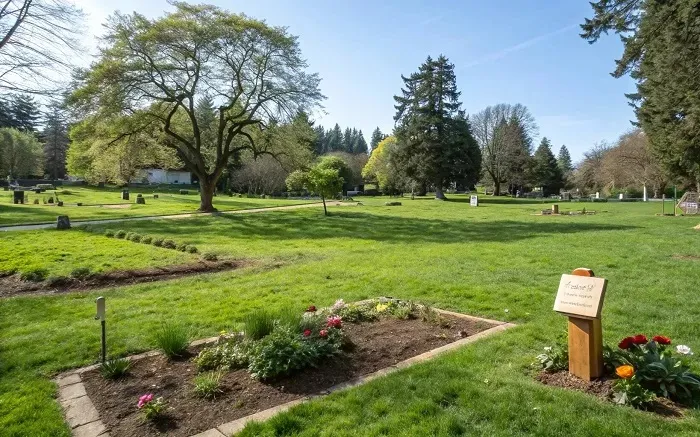
Cemeteries may dedicate sections for tree burial, combining traditional cemetery management with natural memorial spaces. These areas often incorporate garden-like landscapes that are easy for visitors to access.
Individual or Family Tree Plots
Some families choose individual trees as personal or family memorials, planting a new tree at the burial site or selecting an existing tree to mark multiple generations’ resting places.
Environmental Benefits of Tree Burial
One of the most compelling reasons people choose tree burial is its environmental benefit. Traditional burial practices often involve materials that can impede natural decomposition, such as metal caskets and concrete vaults, as well as embalming chemicals that can leach into the soil. In contrast, tree burial emphasizes:
Reduced pollution: Biodegradable containers and the absence of toxic embalming fluids minimize harmful impact on ecosystems.
Carbon cycling: The organic return of remains to soil can help cycle nutrients essential for plant growth, contributing to forest health and biodiversity.
Habitat preservation: Burial forests often protect large tracts of land from development, maintaining habitat for wildlife and natural flora.
Cultural and Emotional Significance
Tree burial resonates with people for reasons beyond ecological concerns. For many, it represents a profound connection between life, death, and the natural world. The tree becomes a metaphor for continued life, growth, and memory—symbolizing that death is part of an ongoing cycle rather than an end point. This symbolic dimension can be deeply comforting for families and offers a place of reflection that evolves with seasons, giving ongoing emotional resonance long after a funeral has passed.
Legal and Regulatory Considerations
The legality of tree burial varies significantly by region. In some countries, natural burial grounds are well-established and regulated to ensure public health and environmental standards. These regulations often cover the type of containers used, soil preparation, and forest management practices.
Other jurisdictions may be more restrictive, requiring compliance with local health codes and cemetery laws. Before planning a tree burial, families should confirm that the selected site meets legal requirements for burial or interment of remains. In areas where full-body burial beneath trees is not permitted, cremated remains interred at tree bases are often more widely accepted.
Costs and Practical Considerations
Cost for tree burial can vary depending on the location and services chosen. In some natural burial forests, fees include the right to use a site, the interment service, and any memorial plaques. Because there is no traditional grave maintenance or stone monument, long-term expenses for families are often lower compared to conventional cemeteries.
However, accessibility should also be considered. Some natural burial forests are located in remote areas, which can challenge frequent visitation. Families should weigh proximity against the desire for a natural setting when selecting a site.
Challenges and Misconceptions
While tree burial is ecologically aligned and emotionally meaningful for many, misconceptions exist. Some assume that a tree can directly grow from human ashes in a way that is biologically similar to a seed sprouting, which oversimplifies the complex chemistry and nutrient balance involved. Cremated remains have high alkalinity that may need careful integration into soil for plant health.
Additionally, cultural attitudes toward death and burial differ widely, and not all communities embrace natural burial practices. Legal restrictions, religious customs, and family preferences all influence burial decisions. Clear communication and guidance from knowledgeable funeral professionals can help families navigate these considerations.
Conclusion
Tree burial embodies a return to nature that aligns funeral practices with ecological awareness and deep symbolism. Whether through burial of cremated remains beneath a chosen tree or by participating in broader natural burial forests, this approach offers a meaningful alternative to traditional grave sites. Its emphasis on life cycles, environmental stewardship, and living memorials resonates with those seeking to honor loved ones in harmony with the earth. As interest in sustainable end-of-life options grows, tree burial stands out as a thoughtful choice that bridges remembrance, ecology, and personal legacy.





















Sign in to leave a comment.