
What is VoIP? Meaning, Features, and Benefits Explained
VoIP, or Voice over Internet Protocol, is a modern communication technology that allows users to make phone calls using the internet instead of traditional landlines. It enables both domestic and international calls at lower costs while offering advanced features, making it ideal for businesses.
A Brief History of VoIP Technology
The evolution of VoIP began decades ago and has transformed into a powerful cloud-based solution.
- 1960s: Packet network concepts were introduced.
- 1973: Voice-over-ARPANET experiments began.
- 1991: First public VoIP app, Speak Freely.
- 1995–1999: Intel, Microsoft, and others developed VoIP standards like SIP and H.323.
- 2000s: VoIP saw rapid growth, with Skype, FaceTime, and better codecs improving call quality.
How Does VoIP Work?
VoIP converts your voice into digital signals, transmits them over the internet, and converts them back to sound on the receiver’s end. It works via:
- Voice data digitization
- Compression into packets
- Transfer via internet
- Reassembly into audible sound
Behind the Scenes of a VoIP Call
- Connects through your router or modem
- Uses Codecs to reduce bandwidth and preserve call quality
- Requires a stable internet connection to minimize lag or packet loss
Required Equipment for VoIP
Setting up VoIP is simple. Here's what you need:
- A stable internet connection (DSL, cable, fiber)
- IP phone, VoIP software, or an adapter for analog phones
- A router or switch
- A VoIP provider
Key Components of a VoIP System
- IP PBX: Manages internal call routing
- VoIP Gateways: Link VoIP to traditional phone systems
- Session Border Controllers: Secure and route calls
- QoS (Quality of Service): Prioritizes voice traffic for smoother communication
VoIP vs. Landline: What’s the Difference?
Feature
VoIP
Landline
Technology
Internet-based
Wired network
Flexibility
High (remote access)
Limited
Features
Call forwarding, recording, auto-attendants
Basic calling only
Cost
Lower
Higher
Advantages of VoIP for Businesses
- Cost-Effective: Reduces phone bills by up to 50%
- High Audio Quality: HD voice supported by top-tier codecs
- Remote Accessibility: Great for remote teams and hybrid offices
- Advanced Features: Call forwarding, recording, voicemail, and more
- Fast Deployment: No major technical setup required
Disadvantages of VoIP
- Internet Dependent: Call quality varies with network strength
- Latency or Jitter: Can be measured and monitored using VoIP test tools
- Security Concerns: Needs proper encryption and firewall support
Popular Features of VoIP Phone Systems
1. Auto Attendant
Routes calls to the right department with a menu like:
“Press 1 for Sales, 2 for Support…”
2. Mobile and Desktop Apps
Make or receive calls anywhere via app—ideal for remote workers.
3. HD Call Quality
Delivers crystal-clear audio with minimal disruptions.
4. UCaaS (Unified Communications as a Service)
All-in-one platform for voice, chat, video, voicemail, and more.
5. Call Encryption and Recording
Secure your conversations and monitor them for quality assurance.
How Much Does VoIP Cost?
VoIP is budget-friendly, with flexible pricing:
- Monthly Cost/User: $19–$45
- Setup Fees: Often free, or up to $60
- IP Phone (optional): $80–$600
- International Calls: From $0.01/minute
Compared to traditional phone systems, VoIP is significantly more affordable and scalable.
How to Choose the Right VoIP Provider
1. Implementation Support
Choose a provider that helps with setup and training.
2. Network Compatibility
Ensure it integrates smoothly with your existing IT infrastructure.
3. Industry Experience
Pick a provider that understands your sector’s communication needs.
4. Customer Support
Opt for 24/7 assistance, especially during growth or outages.
5. Reliability & Security
Ensure 99.999% uptime, encrypted calls, and disaster recovery support.
Final Thoughts
VoIP phone service has revolutionized business communication—it's affordable, scalable, feature-rich, and remote-friendly. Whether you're a startup or an enterprise, switching to VoIP can significantly boost communication efficiency.
Frequently Asked Questions (FAQs)
1. What is VoIP?
Voice over Internet Protocol lets you make phone calls using an internet connection instead of a landline.
2. How is VoIP different from Wi-Fi calling?
VoIP uses internet apps while Wi-Fi calling routes calls through your mobile carrier’s network via Wi-Fi.
3. What are common VoIP examples?
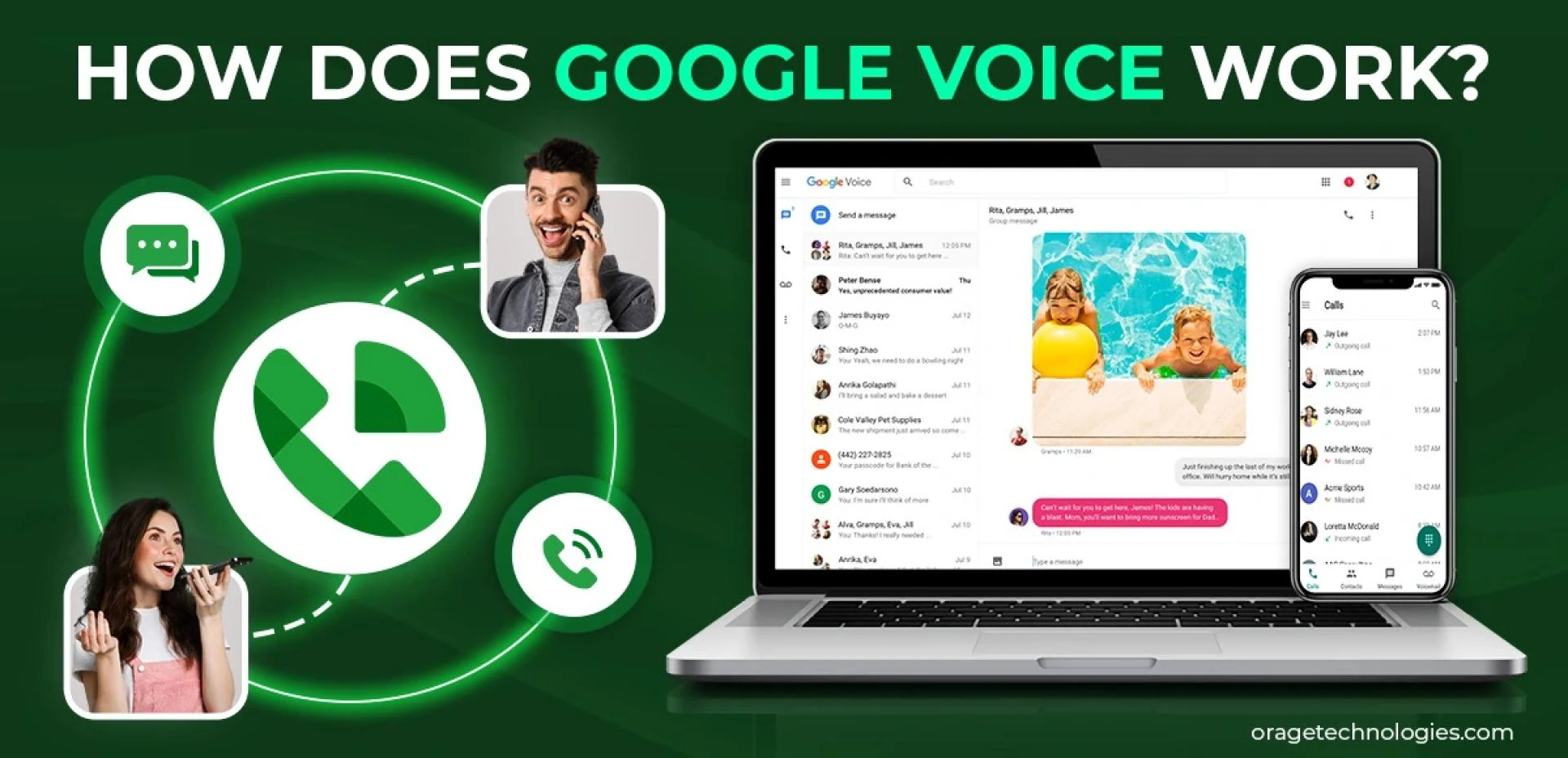
Popular VoIP apps include Zoom, Skype, WhatsApp, Google Voice, and Microsoft Teams.

























Sign in to leave a comment.