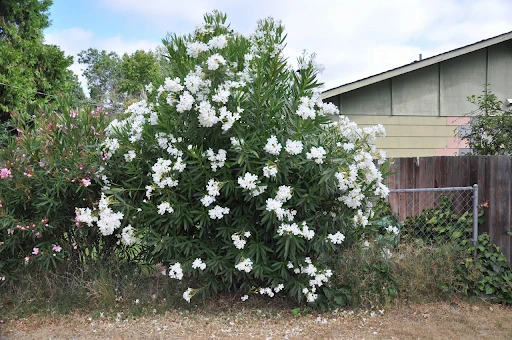

When designing a garden or outdoor space, selecting the right plants is crucial to creating a visually appealing and functional landscape. One striking choice for many homeowners and landscapers is the white oleander tree. Known for its elegant white blooms and hardy nature, this tree can become a focal point in a variety of landscaping designs, from formal gardens to relaxed, Mediterranean-inspired spaces.
The Beauty of White Oleander Trees
White oleander trees are admired for their lush, evergreen foliage and clusters of fragrant white flowers. These trees can grow tall, providing natural privacy and shade, while also adding vertical interest to the landscape. Their long blooming season makes them a reliable choice for homeowners who want consistent color throughout the warmer months. Additionally, the contrast between the dark green leaves and bright white flowers enhances the aesthetic appeal of any garden.
Using White Oleander Trees as Privacy Screens
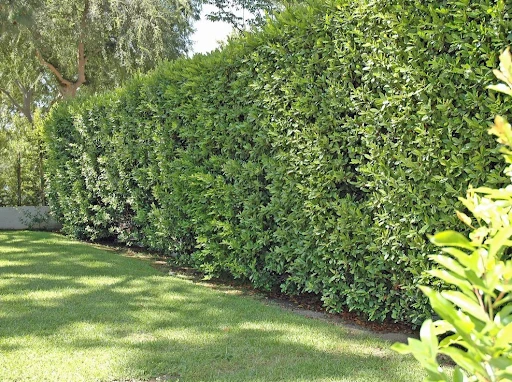
One popular landscaping idea is to use white oleander trees as privacy screens. Their dense foliage creates an effective barrier against neighbors or busy streets, while their height and shape allow them to be planted in rows along property lines. This not only improves privacy but also adds a lush, natural backdrop for patios, swimming pools, or outdoor seating areas.
Mediterranean-Inspired Landscaping
White oleander trees fit perfectly into Mediterranean-style gardens. Paired with lavender, rosemary, and ornamental grasses, they create a relaxed and sun-drenched atmosphere reminiscent of coastal European landscapes. The white blooms complement the muted tones of stone pathways, terracotta pots, and wrought iron garden furniture. In this setting, the oleander tree can serve as a central visual anchor, drawing the eye and providing a sense of balance to the design.
Accent Plant in Formal Gardens
In more structured landscapes, a white oleander tree can be used as an accent plant. Placing it near entryways, fountains, or garden beds highlights its beauty and creates focal points within the layout. By trimming the tree strategically, landscapers can maintain a uniform shape that aligns with formal garden aesthetics while ensuring that its flowers remain prominent during the blooming season.
Container Landscaping Ideas
For homeowners with limited space or urban gardens, white oleander trees can also thrive in large containers. This allows them to be moved around terraces, patios, or balconies as needed. Container planting also provides flexibility for seasonal rearrangement and makes it easier to protect the tree during colder months or inclement weather.
Complementary Plant Pairings
When designing landscapes around white oleander trees, choosing complementary plants enhances visual harmony. Ground covers like creeping thyme or dwarf boxwoods can fill in spaces below the tree, while flowering shrubs such as hibiscus or bougainvillea add layers of color. The oleander’s bright white blooms also contrast beautifully with darker foliage plants, creating depth and interest in the overall landscape composition.
Drought-Tolerant Landscaping
Another advantage of the white oleander tree is its drought tolerance. This makes it suitable for xeriscaping or low-water gardens, where efficient irrigation and sustainable planting practices are prioritized. By incorporating oleander trees alongside succulents, ornamental grasses, and drought-tolerant shrubs, homeowners can create a resilient landscape that thrives in hot or dry climates without sacrificing beauty.
Safety Considerations
While white oleander trees are visually appealing and versatile, it is important to note that all parts of the plant are toxic if ingested. Landscaping designs should account for safety, especially in areas where children or pets frequent. Proper placement, pruning, and awareness of the plant’s toxic properties can ensure that the beauty of the oleander is enjoyed safely.
Adding White Oleander Trees to Your Landscape
If you are considering incorporating white oleander trees into your garden, sourcing healthy plants is key. Many local nurseries offer options for mature trees or young saplings that can be planted strategically to enhance your outdoor space. For those looking for variety, plants for sale often include different oleander cultivars, allowing you to select the ideal size, growth habit, and bloom pattern for your design.
Conclusion
White oleander trees offer both aesthetic appeal and practical benefits, making them an excellent choice for diverse landscaping projects. Whether used as privacy screens, focal points, or container plants, their evergreen foliage and striking white blooms bring elegance to any outdoor space. By pairing oleander trees with complementary plants and incorporating them thoughtfully into your garden layout, you can create a landscape that is visually dynamic, low-maintenance, and suitable for a variety of climates.






















Sign in to leave a comment.