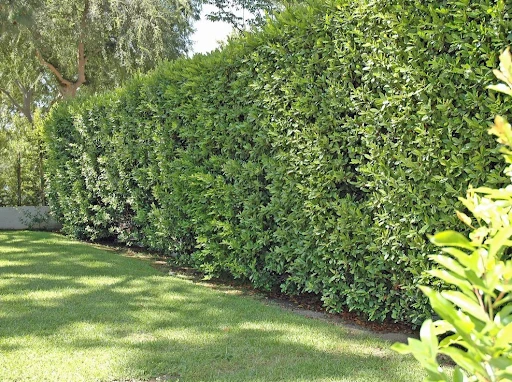

Creating a peaceful, private outdoor retreat is one of the greatest joys of homeownership. Whether you’re looking to unwind with a cup of coffee, host family gatherings, or simply escape from street noise, having a secluded backyard can make all the difference. While fences and walls are traditional privacy options, they often feel cold, artificial, or restrictive. Nature, on the other hand, offers a far more harmonious solution. That’s why privacy trees have become the go-to choice for homeowners who value both aesthetics and function. They not only create a natural screen but also enhance the beauty, air quality, and biodiversity of your outdoor space.
Understanding The Appeal of Privacy Trees
More Than Just a Living Fence
Privacy trees are strategically planted evergreens or fast-growing species designed to form a natural barrier between your property and the outside world. Unlike fences that require maintenance and can degrade over time, trees grow stronger and more attractive with age. They block unwanted views, filter noise, and act as windbreaks — all while adding texture, shade, and color to your landscape.
Aesthetic and Environmental Benefits
Beyond visual privacy, these trees significantly contribute to a healthier environment. They absorb carbon dioxide, release oxygen, and trap dust and pollutants, creating cleaner air around your home. Their dense foliage reduces heat by providing shade, lowering energy costs during hot months. Additionally, they serve as habitats for birds and beneficial insects, adding life and natural harmony to your garden.
Choosing The Right Privacy Trees for Your Landscape
Fast-Growing Varieties for Quick Results
If you’re eager to establish seclusion quickly, fast-growing species are the best choice. Trees like Leyland Cypress, Green Giant Arborvitae, and Hybrid Poplar can gain several feet of height each year, forming dense, tall screens in a short time. Their year-round foliage ensures consistent coverage even in winter, offering both beauty and privacy throughout the seasons.
Evergreen Options for Year-Round Coverage
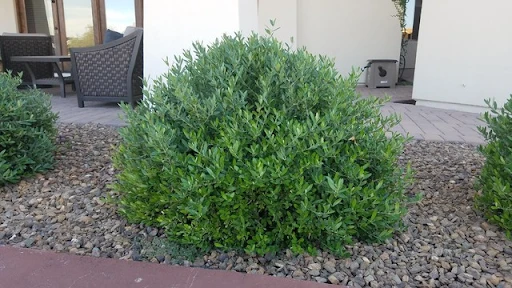
Evergreen trees remain lush and green all year, making them a favorite for homeowners who want continuous protection. Varieties such as Eastern Red Cedar, Holly, and Norway Spruce are excellent for maintaining an evergreen wall. Their thick canopies not only block visibility but also reduce noise levels, making them perfect for homes near roads or urban areas.
Decorative Trees for Dual Purpose
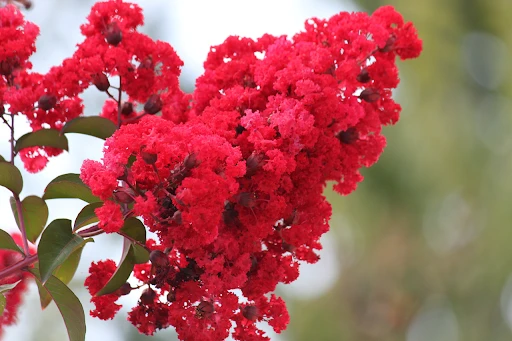
Not every privacy tree needs to be purely functional. Some ornamental varieties like Japanese Maple, Magnolia, or Cherry Laurel add vibrant colors, fragrant blossoms, and graceful shapes to your outdoor space. Combining aesthetic trees with evergreens can give your backyard a layered, landscaped look that balances privacy with visual appeal.
Strategic Planting and Design Considerations
Spacing and Placement for Maximum Coverage
Proper spacing is crucial to achieving the desired level of privacy without overcrowding. Planting trees too close together can restrict airflow and stunt growth, while planting them too far apart can create gaps in coverage. A professional landscaper can assess your yard’s dimensions, soil type, and sunlight patterns to recommend optimal spacing for your selected species.
Layering for Depth and Visual Interest
A single row of trees provides coverage, but layered planting enhances both privacy and design. You can combine tall evergreens at the back with medium-height shrubs or flowering plants in front, creating a lush, multi-dimensional border. This layering not only strengthens the screen but also provides seasonal interest through varying textures, colors, and blooms.
Conclusion
In an age of constant noise and visual clutter, few things compare to the serenity that comes from a private, tree-lined backyard. By integrating privacy trees into your landscape design, you create a living, breathing sanctuary that offers beauty, protection, and peace year after year. For homeowners planning a complete backyard transformation, pairing these evergreens with fruit-bearing options, such as a Nectarine tree, can add both privacy and productivity to your garden. The combination delivers the perfect balance — lush greenery for seclusion and seasonal harvests for enjoyment — making your outdoor space a valid extension of nature’s comfort and abundance.


























Sign in to leave a comment.