
Modern smartphones function as continuous behavioral logs, quietly documenting the rhythms of daily life. Every tap, swipe, call, message, login, and movement leaves behind a digital trace. From GPS coordinates and Wi-Fi connections to application usage patterns and deleted file remnants, mobile devices generate a detailed record of user activity.
Timestamps mark when files are created or modified, location services track movement, and communication apps preserve conversations, attachments, and metadata. Even background processes can reveal when a device was powered on, connected to a network, or synchronized with the cloud.
This depth of data is precisely why mobile device forensics has become essential in both legal and corporate investigations. Whether addressing allegations of misconduct, intellectual property theft, harassment, fraud, or criminal activity, investigators rely on scientifically sound methods to preserve and analyze digital evidence without altering it.
A qualified digital forensic expert plays a critical role in translating complex technical artifacts into understandable behavioral insights. Rather than simply extracting data, the expert reconstructs timelines, correlates locations with communications, and identifies inconsistencies that may confirm or contradict statements. As courts increasingly depend on digital records to establish facts, properly collected and interpreted smartphone evidence has become a cornerstone of modern litigation and dispute resolution.
Timestamps: Reconstructing Digital Timelines
Timestamps form the backbone of any digital investigation. Every smartphone maintains multiple layers of time records generated through system clocks, network synchronization, and app-level logging. The device’s internal system time governs file activity, while network time, often pulled from cellular providers or internet servers, can automatically correct discrepancies. Individual applications also create their own logs, recording when messages are sent, received, edited, or deleted.
Importantly, user-visible time does not always match system-level time. A device’s display may reflect manual changes, time zone adjustments, or daylight saving updates, while deeper system logs preserve original event records. Investigators analyze creation, modification, and access timestamps to determine when a file was first generated, later altered, or opened. Messaging platforms add another layer, documenting delivery confirmations and read receipts. When correlated with GPS timestamps embedded in photos or location logs, these markers help reconstruct precise sequences of events.
The work of a forensic computer analyst involves extracting and organizing these layered time artifacts without altering their integrity. A data forensic expert then validates findings by cross-referencing logs, verifying hash values, and ensuring consistency across system and application records. Proper documentation is essential under court-certified forensics standards, as even minor inconsistencies can impact admissibility.
When properly analyzed, timestamp data can confirm alibis, reveal attempts to delete communications, and expose backdated documents intended to mislead. By reconstructing a reliable timeline, investigators transform fragmented digital traces into a coherent narrative grounded in verifiable technical evidence.
Geolocation Data: Movement, Presence, and Patterns
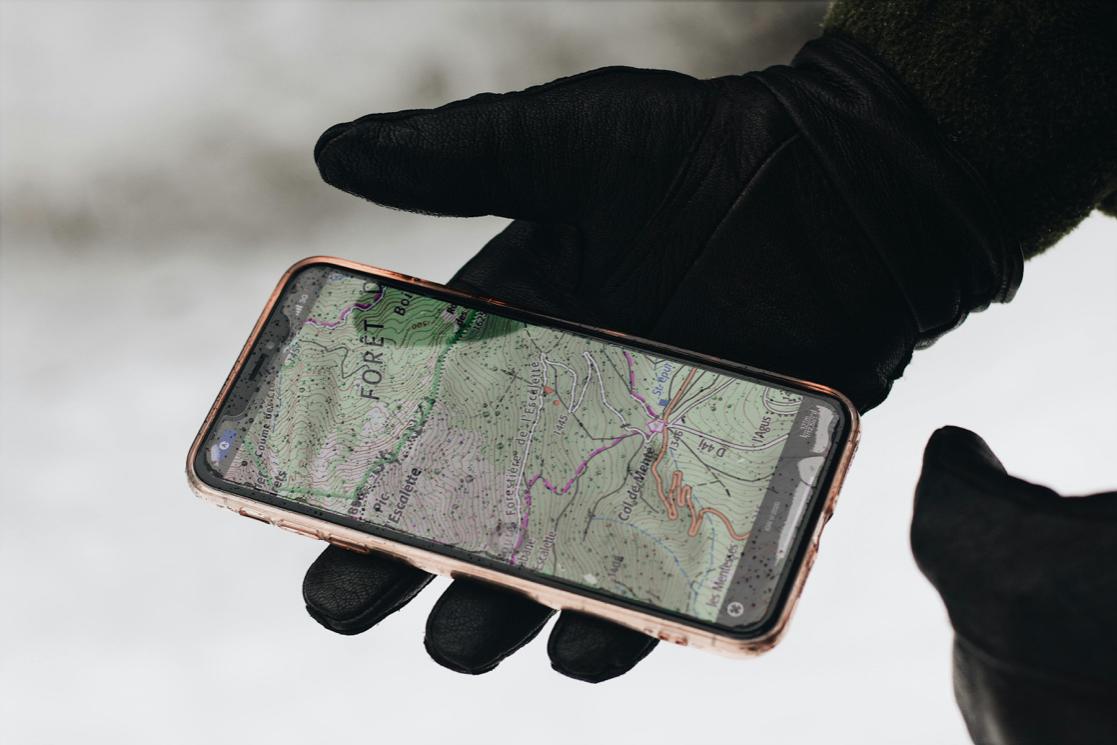
Smartphones continuously generate geolocation data that can reveal where a device—and often its user- has been over time. GPS coordinates are commonly embedded in photos and videos through metadata, while mapping, rideshare, and social media applications maintain detailed location histories. Even when a user turns off visible location sharing, background services may still log positional data tied to system functions or app permissions.
Beyond GPS, investigators may analyze cell tower triangulation records, which approximate location based on the towers a device connected to during calls or data sessions. Wi-Fi connection logs can also provide valuable insight by showing when a device connected to specific networks, effectively placing it at a residence, workplace, or public venue. App-based location history, stored locally or in cloud backups, can create a timeline of repeated visits and travel patterns.
A cell phone forensics expert uses specialized tools to extract and interpret this layered data without altering the original evidence. Through forensic cell phone data recovery, even deleted or partially overwritten location artifacts may be restored. In certain matters, cell phone searching may be legally requested pursuant to proper warrants or court orders, ensuring lawful evidence acquisition.
When analyzed carefully, geolocation data can confirm presence at a specific address, demonstrate the frequency of visits to a location, or contradict sworn statements. In court, these findings are presented through structured expert witness testimony, translating technical location records into clear, fact-based conclusions that support or challenge claims within legal proceedings.
Device Information & User Attribution
Establishing who used a device, and when, is a central question in many investigations. Smartphones contain unique identifiers such as IMEI numbers, MAC addresses, serial numbers, and device IDs that distinguish one device from another. These identifiers help link activity to a specific handset, even when SIM cards are changed or accounts are modified. In addition, account login records, user profiles, and cloud synchronization logs can demonstrate which credentials were active on the device at particular times.
Application usage logs further strengthen attribution analysis. These logs may show when certain apps were opened, how long they were used, and whether data was uploaded or shared. Biometric authentication records, such as fingerprint or facial recognition logs, can also indicate whether the device was unlocked using registered biometric data, adding another layer of contextual insight.
A digital forensic engineer is responsible for extracting and analyzing these artifacts while maintaining strict evidentiary standards. Oversight by a digital forensic consultant ensures that findings are interpreted accurately and aligned with legal strategy. For cases within Florida, services such as mobile device forensics provide region-specific expertise in compliance with local procedural requirements.
From a behavioral standpoint, this analysis can confirm who was likely operating the device, identify patterns of shared usage among multiple individuals, and detect potential account compromise or unauthorized access. Proper attribution transforms raw technical data into defensible conclusions grounded in forensic methodology.
File Histories & Application Artifacts
Smartphones and mobile devices store a wealth of information beyond obvious files and apps. Deleted file remnants often remain in unallocated storage, enabling recovery even after the user attempts to erase them. Chat databases, including text messages, social media conversations, and in-app communications, can also leave recoverable traces. Cloud synchronization adds another layer of complexity: interactions between local files and cloud backups may preserve data that no longer exists on the device itself. Photo and video creation data, including timestamps and geolocation metadata, provides context about when and where media was captured.
Extraction and interpretation of this information requires specialized expertise. Forensic cell phone data recovery methods allow investigators to recover deleted files, reconstruct application databases, and extract cloud-synced artifacts without compromising the integrity of the evidence. A data forensic expert ensures that every recovered file is validated, documented, and prepared for potential legal proceedings. Through structured digital forensic services, all procedures follow court-admissible standards, maintaining a clear chain of custody and reproducibility.
Multimedia artifacts have significant implications. Techniques to recover pictures forensically enable analysts to restore original versions of edited images, identify file paths, and detect manipulation. These artifacts can reveal communication patterns, show attempts to delete or hide app activity, and highlight gaps in device usage timelines. By analyzing file histories alongside application records, investigators gain behavioral insights that extend beyond simple usage logs, offering a reliable view into both digital activity and user intent. This structured approach ensures evidence is comprehensive, defensible, and actionable in legal contexts.
Detecting Tampering & Manipulation
Ensuring the authenticity of digital evidence is crucial in high-stakes investigations. One of the first steps in identifying tampering is reviewing metadata for inconsistencies. Unexpected changes in creation, modification, or access timestamps can indicate file manipulation. File hash comparisons provide a mathematical verification, ensuring that files have not been altered since their initial capture. App cache anomalies may also signal interference, as residual data can reveal deleted or overwritten activity that conflicts with recorded logs.
Multimedia evidence often requires specialized scrutiny. A video forensic expert performs detailed digital video forensics, evaluating compression artifacts, frame sequences, and metadata integrity. Situations that raise suspicion of manipulation often call for authentic video forensics, where each frame is carefully reviewed to determine whether edits, insertions, or deletions occurred. A video enhancement expert can clarify blurry or low-resolution footage, improving the accuracy of subsequent analysis without altering the original content.

Audio files also demand precise evaluation. A trained audio forensic expert follows rigorous protocols, examining frequency patterns, background noise, and signal integrity to detect editing or tampering. This ensures that audio evidence remains admissible and reliable.
The cyber layer adds additional complexity. A cyber forensic expert reviews network activity, access logs, and system-level artifacts to confirm the integrity of digital evidence across platforms. By combining expertise in video, audio, and cybersecurity, investigators can uncover subtle manipulations, providing courts with defensible conclusions that preserve both the integrity and the reliability of digital records.
Behavioral Pattern Analysis: Beyond Individual Artifacts
Analyzing digital evidence goes beyond examining individual files; it involves understanding patterns of behavior reflected across the device. Communication frequency mapping, for instance, reveals how often a user interacts with contacts via calls, texts, or messaging apps. App usage timing patterns can indicate daily routines, habitual behaviors, or unusual activity periods. Nighttime activity logs may highlight irregular device usage, while travel behavior extracted from GPS data, Wi-Fi logs, and cellular connections can reveal movement patterns over time.
Cross-device analysis further strengthens behavioral insights. Collaboration between computer forensics consultants and mobile specialists allows investigators to correlate data from smartphones, tablets, and computers, ensuring consistency across platforms. Integration with forensic computer investigations provides a broader picture, uncovering patterns that might not be evident when devices are examined in isolation.
Legal interpretation of behavioral patterns requires caution. Expert witness testimony demands that findings are presented objectively, with clear documentation of the methods used and the sources of data. Analysts must avoid speculation, ensuring that conclusions about behavior are supported by measurable evidence such as timestamps, logs, and recovered files. By carefully translating digital artifacts into actionable behavioral insights, investigators provide courts with defensible, evidence-based conclusions that support legal or corporate decision-making while maintaining the integrity of digital evidence.

Courtroom Application & Expert Presentation
The value of mobile device forensics and digital evidence extends beyond recovery; it lies in the ability to present findings clearly and convincingly in court. Translating complex technical data into explanations that judges, juries, and attorneys can understand is critical. Structured reporting standards ensure that every step of the analysis is documented, including methodologies, software tools used, and findings. Demonstrating hash validation and other verification techniques provides objective proof that files have not been altered, reinforcing the integrity of the evidence. Comprehensive chain of custody documentation further guarantees that each piece of evidence can be reliably traced from acquisition to courtroom presentation.
Professional roles are central to courtroom effectiveness. A computer forensics expert witness can clearly explain how behavioral insights were derived from timestamps, app logs, GPS data, or communication patterns. Delivering expert witness testimony requires translating these technical processes into accessible language, highlighting key evidence without introducing bias. Specialists must be prepared to answer cross-examination and clarify nuances, ensuring the court understands both the capabilities and limitations of digital forensic analysis.
Expertise in this arena prevents misinterpretation that could otherwise compromise a case. By demonstrating adherence to court-certified forensics, forensic engineers and consultants protect the admissibility of evidence and help courts focus on the facts rather than the technical uncertainty. Accurate, defensible presentation supports fair legal outcomes and ensures that digital evidence serves its intended purpose: providing a reliable window into past behavior and device activity.
The Behavioral Blueprint Inside Every Device
Smartphones and other digital devices carry a detailed behavioral record. From timestamps and geolocation data to device identifiers and file histories, each artifact contributes to a comprehensive picture of user activity. Early preservation of this data is crucial; delays or improper handling can result in altered logs, overwritten files, or compromised metadata, jeopardizing both investigative and legal outcomes.
The insights derived from mobile device forensics extend beyond simple recovery; they reveal patterns of communication, movement, and app usage that are often critical to confirming events or detecting tampering. Working with certified specialists ensures that all evidence is handled according to court-certified forensics standards, maintaining admissibility and reliability.

A Final Note
For investigations that demand accuracy and reliability, trust Eclipse Forensics. Their team of certified digital forensic experts provides comprehensive mobile device forensics in FL, ensuring every artifact, from timestamps to multimedia evidence, is carefully analyzed and preserved. Whether for legal proceedings, corporate inquiries, or complex investigations, contact Eclipse Forensics today to safeguard your digital evidence and gain actionable behavioral insights.



























Sign in to leave a comment.