Rough trails test every part of a Jeep. Deep mud pulls tires down. Loose sand makes wheels spin. Hard rocks hit the underbody and shake control. A strong setup helps the Jeep stay steady and move with ease. A Jeep trail suspension kit gives better grip, more lift, and smooth travel over tough ground. It helps wheels stay on the surface and keeps the ride safe. Without the right setup, even a tough Jeep can feel stuck or out of control. Let’s break down how this system works and why it matters so much in wild terrain.
What Is a Jeep Trail Suspension Kit?
A suspension kit controls how the Jeep moves up and down when it hits bumps. It connects the wheels to the body and absorbs shock from the ground.
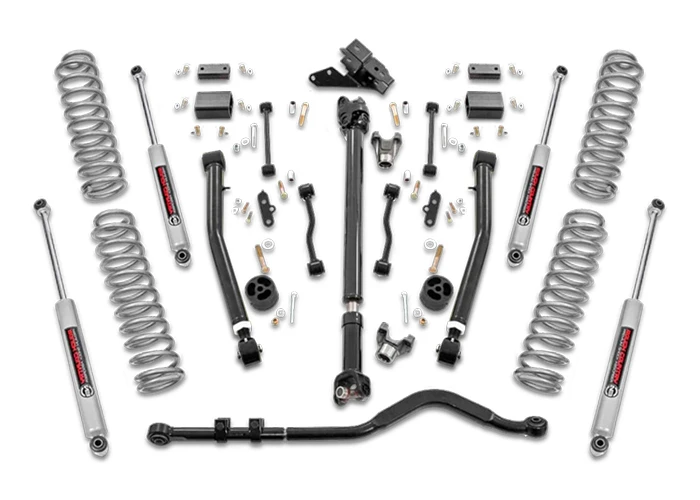
A Jeep trail suspension kit upgrades key parts like springs, shocks, control arms, and links. These parts work together to improve ride height, wheel travel, and balance. In simple terms, it helps the Jeep “breathe” with the trail instead of fighting it.
Why Suspension Matters on Rough Terrain?
Every trail type throws a new problem. Mud drags the tires. Sand slips away under pressure. Rocks hit hard and shift the Jeep’s balance.
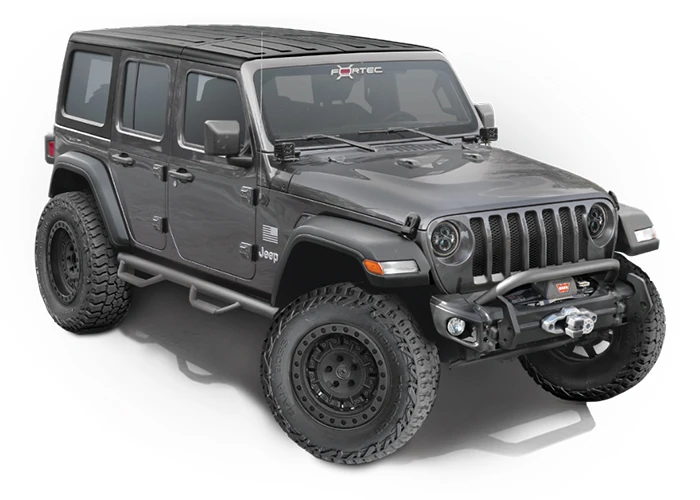
A stock system works fine on roads. But once the trail gets rough, it struggles to keep grip and control. A strong setup, like a Jeep heavy-duty suspension, keeps the Jeep stable and ready for any surface.
Let’s look at each terrain and how the suspension helps.
Handling Mud: Stay Moving, Stay Clean
Mud feels soft but can trap tires fast. A Jeep needs strong traction and enough lift to stay above the thick mess.
Key roles of suspension in mud:
- Better wheel travel
Wheels move up and down with ease. Each tire stays in touch with the ground. This gives a steady grip even when the mud shifts.
- Lift height advantage
A lifted Jeep avoids deep ruts. It keeps the body clear of sticky mud. This reduces drag and helps the Jeep glide through.
- Shock absorption
Mud trails hide bumps and dips. A solid shock system softens hits and keeps control smooth.
With a Jeep trail suspension kit, drivers feel less struggle and more flow through muddy paths.
Handling Sand: Float Instead of Sink
Sand can feel tricky. Tires sink if the weight spreads unevenly. Control becomes loose, and steering feels light.
How suspension helps in sand:
- Weight balance
A good setup spreads weight across all four wheels. This keeps the Jeep from digging in.
- Smooth ride feel
Sand dunes can rise and fall fast. Shocks absorb these changes and keep the ride steady.
- Improved tire contact
Wheels stay planted instead of bouncing. This helps build forward push and keeps the motion going.
A Jeep heavy-duty suspension gives better control in soft sand. It helps the Jeep float instead of sinking.
Handling Rocks: Grip and Flex Win the Game
Rock crawling needs control, patience, and strong parts. Big rocks lift tires off the ground and tilt the Jeep at odd angles.
Suspension roles on rocky trails:
- Maximum articulation: Wheels stretch and drop to match rock height. This keeps all tires in contact with the surface.
- Body protection: Lifted suspension keeps the underbody safe from hard hits.
- Stable center of gravity: A balanced system prevents tipping. It keeps the Jeep firm even on steep angles.
A well-built Jeep trail suspension kit helps drivers crawl over rocks with confidence and control.
Key Components That Make It Work
Each part of the suspension has a job. Together, they create a strong and flexible system.
1. Springs
Springs carry the weight of the Jeep. They control height and absorb impact. Strong springs help the Jeep stay level on rough ground.
2. Shock Absorbers
Shocks manage bounce and keep tires on the ground. Good shocks mean less shake and more control.
3. Control Arms
These connect the frame to the wheels. They guide movement and keep alignment correct.
4. Sway Bars
Sway bars reduce body roll. They help keep the balance when the Jeep leans on uneven terrain.
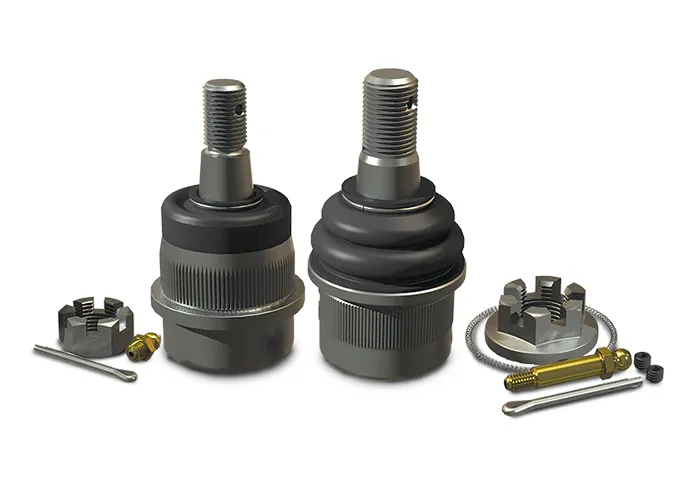
5. Bushings and Joints
These small parts allow smooth motion. They reduce noise and wear while keeping parts connected.
A Jeep heavy-duty suspension upgrades all these parts for better strength and durability.
Benefits Beyond Off-Road Trails
A strong suspension does more than handle rough paths. It improves the full driving experience.
- Better ride comfort: Even on daily roads, bumps feel softer and smoother.
- Improved safety: Stable handling reduces risk during sharp turns or sudden stops.
- Longer vehicle life: Strong parts handle stress better. This reduces wear on other systems.
- More control with heavy loads: Carrying gear or towing feels easier with a solid setup.
How to Choose the Right Kit?
Not every Jeep needs the same setup. The right choice depends on driving style and terrain.
Keep these points in mind:
- Trail type: Mud, sand, or rocks need different strengths. Pick a kit built for your main terrain.
- Lift height: More lift gives more clearance. But too much lift can affect balance. Choose wisely.
- Material quality: Strong steel and durable parts last longer and handle stress better.
- Compatibility: Ensure the kit fits your Jeep model and tire size.
A balanced Jeep trail suspension kit gives the best mix of comfort and performance.
Common Mistakes to Avoid
Even a good kit can fail if installed or used the wrong way.
- Ignoring alignment: Poor alignment can cause uneven tire wear and bad handling.
- Skipping maintenance: Dirt and wear can damage parts. Regular checks keep the system healthy.
- Overloading the Jeep: Too much weight stresses the suspension and reduces performance.
- Choosing looks over function: Some kits look cool but lack strength. Focus on quality first.
Final Thought
Off-road driving pushes a Jeep to its limits. Mud pulls, sand slips, and rocks hit hard. A smart suspension setup changes the whole game. It keeps tires on the ground, protects the body, and gives steady control in tough spots. A well-built Jeep heavy-duty suspension turns rough rides into smooth adventures. With the right setup, drivers feel more confident and ready for any trail ahead.


























Sign in to leave a comment.