
Start With the Frame and Structural Health
The frame acts as the backbone of the Jeep. Rust hides here and causes real damage. Crawl under the rig with a torch. Tap rails with a hammer. Soft metal signals deep rust.
Pay close focus to control arm mounts, skid plate points, and rear frame sections. Mud and road salt love those areas. Cracks or weak spots call for repair before any other work. Without a strong frame, upgrades feel pointless.
Frame Check Quick List
- Rear frame rails near the fuel tank
- Crossmembers and skid mounts
- Control arm brackets
- Signs of patch welds or bends
Inspect the Body Tub for Hidden Trouble
Next up comes the body tub. TJ tubs rust in sneaky spots. Floor pans, rocker panels, and rear corners need close looks. Pull carpets if needed. Wet carpet often points to rot below.
Check body mounts too. Loose or crushed mounts shift panels and cause rattles. A straight tub keeps doors aligned and panels tight. Body repairs cost time, so spot issues early.
Review Suspension and Steering Parts
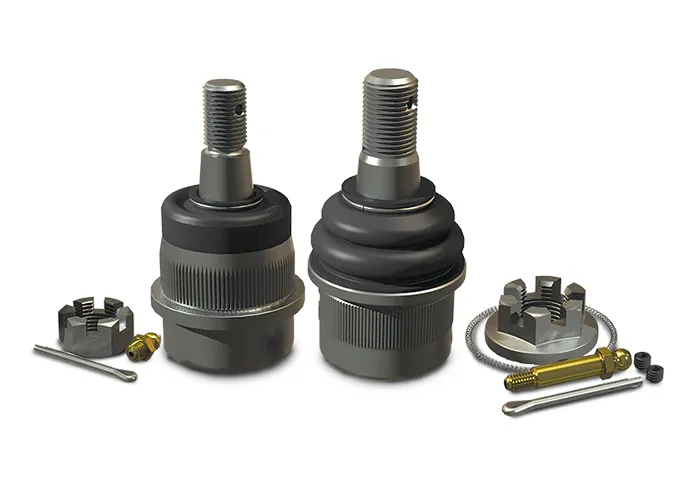
A TJ handles rough trails and rough roads. Worn suspension parts ruin ride quality fast. Grab each wheel and shake. Play in the ball joints or tie rods shows wear.
Inspect springs, shocks, and bushings. Cracks or sagging springs hurt stance and control. Steering boxes should feel firm. Excess play signals rebuild time. Solid steering builds trust behind the wheel.
Check Axles and Drivetrain Basics
Axles carry weight and power. Look for leaks at seals and covers. Spin driveshafts by hand. Feel for clunks or tight spots.
Pull diff covers if possible. Metal chunks in oil spell trouble. Also, inspect U joints for rust dust or slack. Catching axle issues early helps shape your budget and parts list.
Evaluate the Engine Bay With Care
Pop the hood and slow down. Check for oil leaks near the valve cover and rear main seal. Look at the wiring for brittle insulation. Hoses should feel firm, not cracked.
Listen to the engine if it runs. Knocks or ticks hint at deeper work. Compression tests help, too. A healthy engine keeps the project moving forward.
Inspect the Transmission and Transfer Case
Manual or auto, gearboxes need love. Check fluid color and smell. Burnt fluid warns of wear. Shift through gears during a drive if possible.
Transfer cases often leak at seals. Look for damp spots. Smooth engagement matters for trail use. Repairs here add cost, so inspect before buying parts.
Review Doors, Seals, and Alignment
Doors affect comfort and safety. Sagging doors cause wind noise and leaks. Check hinges for play. Inspect seals for cracks.
This stage helps plan for Jeep Wrangler TJ Replacement Doors if rust or damage appears. Good doors align with the tub and latch smoothly. Poor fit leads to noise and water inside.
Door and Seal Focus Points
- Hinge wear
- Bottom rust seams
- Window operation
- Weatherstrip condition
Test the Electrical System Early
Old wiring causes headaches. Test lights, gauges, and switches. Corrosion at the grounds leads to odd faults. Battery trays rust and damage cables.
Fixing wiring early helps later upgrades. Audio systems, winches, and lights all depend on clean power.
Plan Parts Based on Findings
After inspections, list needs by priority. Safety first, then structure, then comfort. Use findings to guide Wrangler TJ restoration steps.
For builds needing exterior upgrades, Jeep Wrangler TJ Replacement Doors offer fresh seals and a clean look. Spread upgrades over time. Avoid rushing buys.
Balance Budget and Goals
Every TJ build has limits. Decide trail rig or a daily driver early. Your inspection results shape choices. Solid frames support lifts. Clean tubs support paint.
Use findings to adjust plans. Smart checks save cash later. A careful start keeps morale high.
Final Thought
A Wrangler TJ build feels like a journey. The first inspection sets direction and pace. Start with structure, then systems, then style. Each careful check adds confidence. With clear eyes and steady steps, Wrangler TJ restoration stays fun and rewarding. Strong foundations lead to smooth builds and miles of smiles.
























Sign in to leave a comment.