
Jeep owners know the thrill of hitting off-road trails. But that excitement can turn into a nerve-wracking experience when the front end starts shaking violently. That sudden, uncontrollable shimmy in the steering wheel is known as the Jeep death wobble, and catching it early is crucial. Ignoring the signs can lead to dangerous driving conditions and expensive repairs.
Understanding how to diagnose the Jeep death wobble gives you a chance to fix problems before they spiral out of control.
What Causes Jeep Death Wobble?
Before diving into how to diagnose it, it helps to understand why it happens. The Jeep death wobble appears when the front suspension or steering components loosen or wear out. Even small issues in parts like tie rods, ball joints, or track bars can trigger a wobble. Uneven tire wear, poor wheel alignment, or low-quality shocks can add fuel to the problem. The shaking usually kicks in when driving at higher speeds on rough or uneven surfaces.
The key is knowing that the wobble is a symptom, not the root cause. If you notice unusual vibrations or your steering wheel shaking, acting fast can save you from bigger issues.
Early Signs You Can Spot
Detecting the Jeep death wobble early can prevent a serious accident. Here are some signs to watch for:
- Steering Wheel Shakes: Even light vibrations at certain speeds can indicate a problem.
- Vehicle Pulling: Your Jeep might drift slightly to one side during straight-line driving.
- Noise from Front End: Clunks, knocks, or squeaks during turns are red flags.
- Uneven Tire Wear: Tires wearing more on one side suggest suspension issues that can trigger wobble.
- Loose Components: When you manually check, tie rods, ball joints, and track bars may feel loose or worn.
Spotting these signals early gives you the chance to fix the death wobble before the problem worsens.
Step-by-Step Jeep Death Wobble Diagnosis
Diagnosing the issue properly requires a careful, hands-on approach. Here's a clear method to find the root cause:
- Inspect the Tires and Wheels
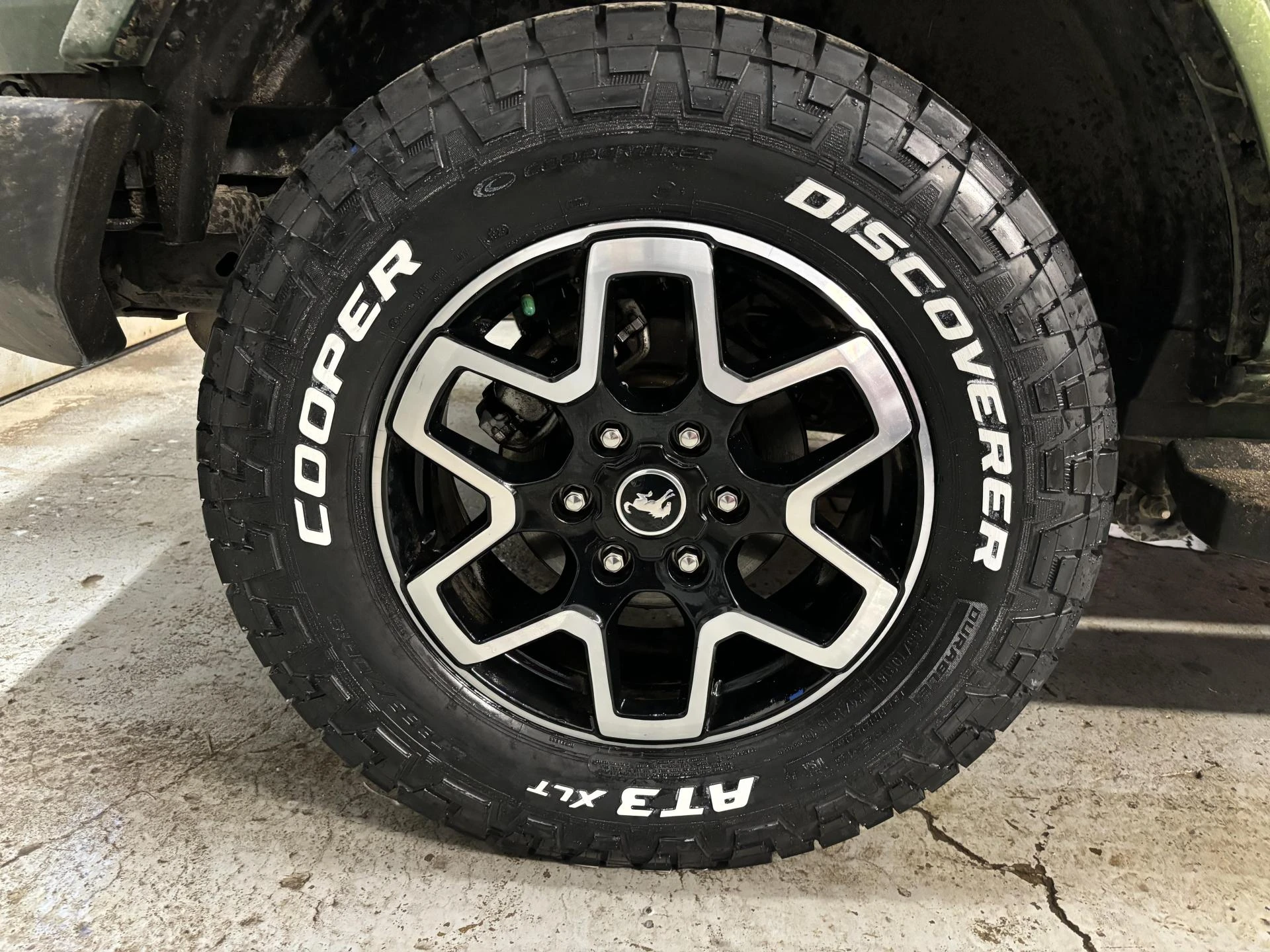
Start with the basics. Check tire pressure, balance, and look for bulges or uneven wear. Misaligned or worn tires are common triggers. Make sure the wheels are tight and the lug nuts secure.
- Check Steering Components
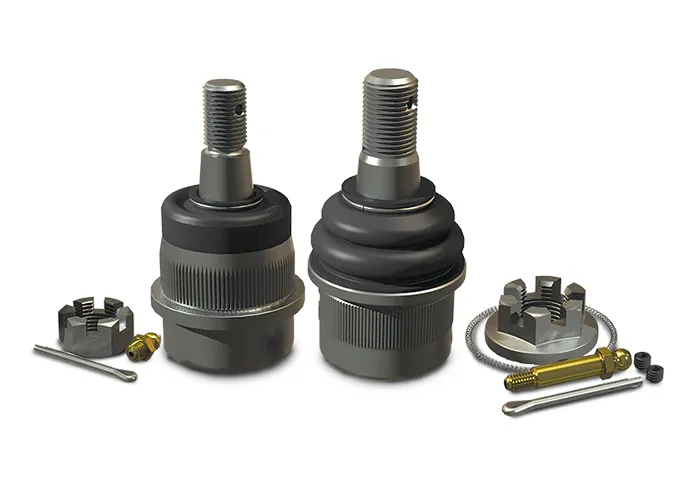
Examine tie rods, drag links, and ball joints for play or damage. Use a pry bar to test for movement in each joint. Even minor looseness can set off the wobble.
- Examine the Track Bar
The track bar keeps the axle centered. Inspect both ends and bushings. Loose or worn bushings often cause front-end shaking.
- Inspect the Shocks and Suspension
Poor or mismatched shocks reduce stability. Look for leaks or worn bushings. Replace shocks that feel soft, stiff, or inconsistent.
- Alignment Check
Get a professional alignment if the tires are wearing unevenly. A simple alignment can solve or reduce the wobble significantly.
- Test Drive
After inspection, a short test drive helps confirm findings. Notice speed, road type, and how the steering wheel responds. Any persistent vibration means more attention is needed.
Following this systematic approach ensures your Jeep death wobble diagnosis is thorough and effective.
Common Jeep Death Wobble Fixes
Once you identify the issue, applying the correct fix is essential. Depending on the root cause, these solutions work well:
- Tighten or Replace Steering Components: Tie rods, drag links, and ball joints must be secure. Replace any that show wear.
- Upgrade Track Bar Bushings: Stronger bushings or a high-quality track bar stabilizer can eliminate front-end play.
- Replace Shocks: Invest in heavy-duty or off-road shocks for consistent damping.
- Wheel Alignment and Balancing: Align the Jeep and balance the tires to avoid uneven wear.
- Tire Upgrade: Quality tires designed for off-road and highway use reduce vibrations.
Using these fixes can stop the wobble in its tracks. Each Jeep may need a slightly different approach, so inspecting carefully is essential before replacing parts.
Preventive Measures
After fixing the issue, keeping the Jeep wobble-free requires a few simple habits:
- Regular Maintenance: Check suspension and steering parts every few thousand miles.
- Proper Tire Care: Rotate, balance, and inspect tires regularly.
- Avoid Overloading: Heavy loads stress the front suspension and increase wobble risk.
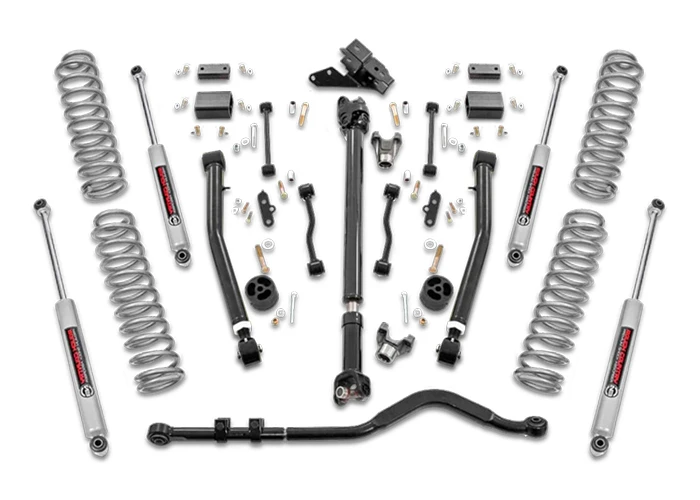
- Upgrade Wisely: Lifting the Jeep changes geometry. Upgrade components to handle the new load.
Preventive care keeps small problems from turning into major safety hazards.
Signs Repairs Worked
After performing fixes, test for improvement:
- Smooth steering with no unusual vibration.
- Even tire wear on all wheels.
- No clunks or knocks from the front suspension.
- Track bar and steering components hold tight during driving.
Successful fixes restore confidence in your Jeep and reduce the risk of serious accidents.
Final Thought
The Jeep death wobble is more than a minor inconvenience. Left unchecked, it can turn a normal drive into a dangerous situation. Accurate diagnosis and timely repairs are the best defense. Using proper inspection methods, addressing loose parts, and maintaining your Jeep regularly will keep your rides smooth, safe, and worry-free. Act early, follow the steps carefully, and enjoy the trails without fear. Keeping your Jeep healthy ensures every off-road adventure stays thrilling, not terrifying.
























Sign in to leave a comment.