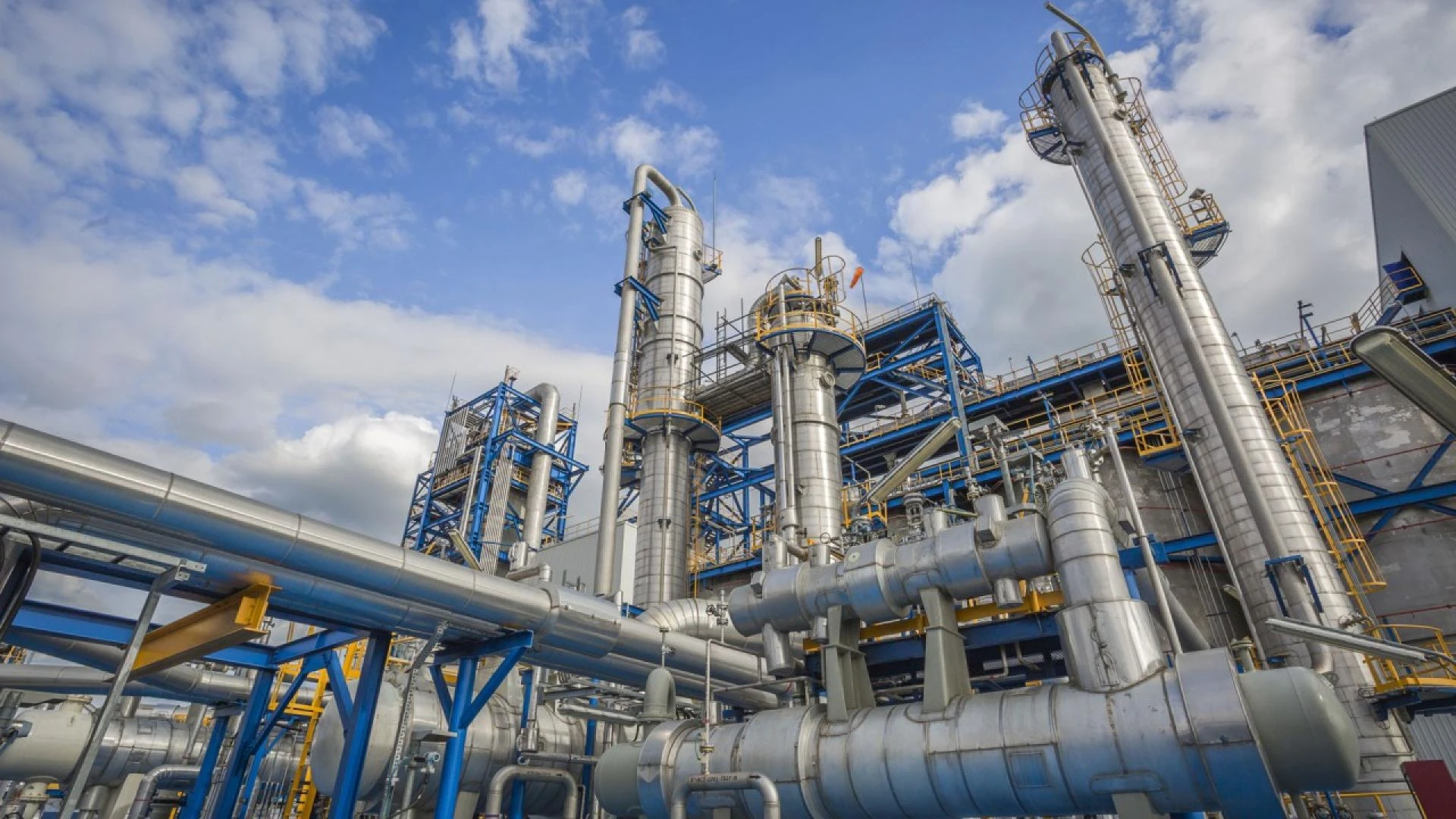

As conventional oilfields mature and primary recovery declines, Enhanced Oil Recovery (EOR) has become a strategic imperative not just an option. But successful EOR doesn’t begin with the reservoir. It starts with the right equipment partner, your EOR manufacturer.
The global oil industry is now looking for manufacturers that can do more than fabricate equipment. They must offer engineering foresight, reservoir-specific customization, digital integration, and lifecycle support. With millions at stake in thermal and chemical recovery projects, cutting corners on equipment sourcing can delay ROI or even compromise entire field strategies.
In this article, we’ll break down what truly sets a great EOR manufacturer apart from the rest especially in today’s fast-evolving energy landscape.
1. Custom Engineering – Not One-Size-Fits-All
Great EOR manufacturers never treat projects as off-the-shelf deliveries. Each field has its own:
- Geological structure
- Crude characteristics (viscosity, API gravity)
- Infrastructure limitations
- Local climate and utility availability
A superior manufacturer will:
- Conduct site and reservoir evaluations
- Design thermal or chemical systems tailored to your cycle durations, injection rates, and pressure needs
- Offer pilot-scale skids for early field trials
- Allow modularity for phased deployments
This custom engineering leads to better recovery efficiency, smoother commissioning, and quicker payback.
2. Thermal and Chemical EOR Capabilities Under One Roof
EOR is a dynamic field. You may start with Cyclic Steam Stimulation (CSS), evolve to steam flooding, and eventually introduce polymer flooding or surfactant-based methods.
Great manufacturers provide:
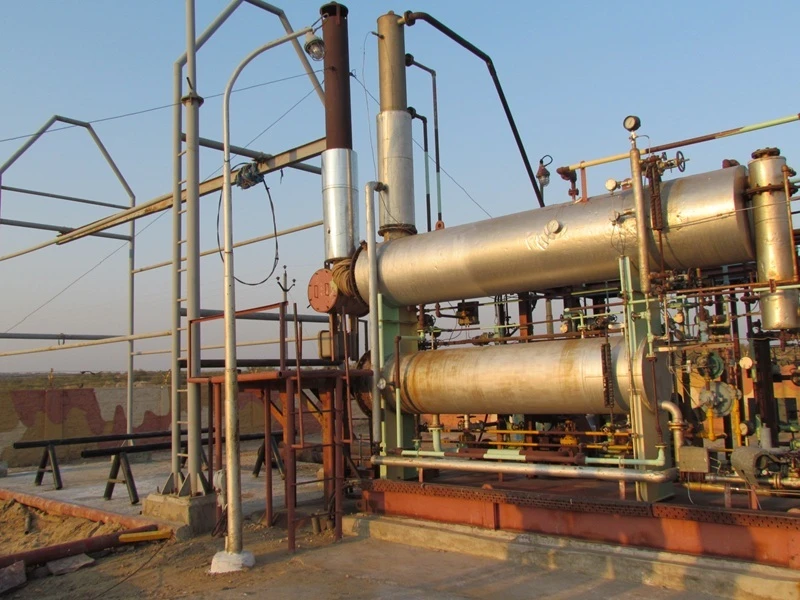
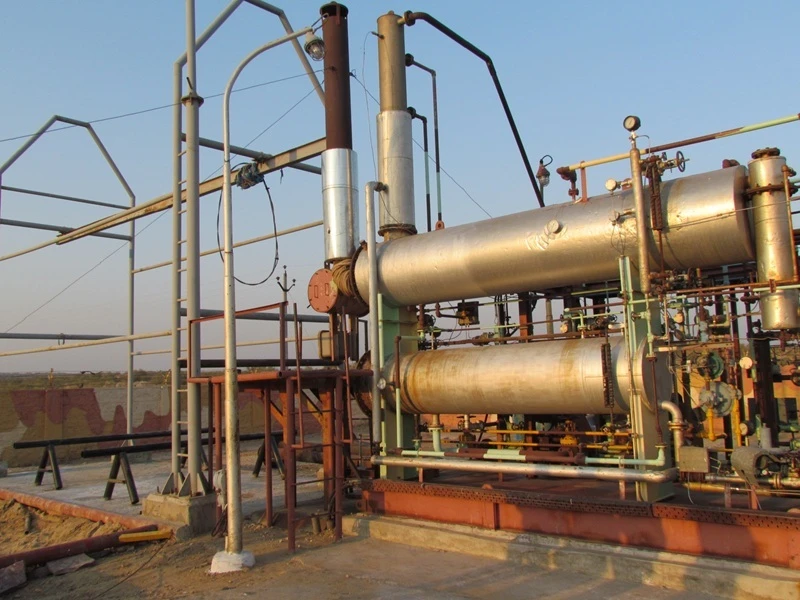
- High-efficiency steam generation systems
- Mobile CSS skids for remote or multi-well operations
- Chemical dosing and blending skids with inline mixers
- Fuel-flexible systems (gas, diesel, biomass)
- Integrated SCADA control across both thermal and chemical equipment
Having a single manufacturer capable of thermal and chemical systems simplifies vendor management and improves operational consistency.
3. Integration with SCADA, IoT, and Remote Monitoring
Digital oilfields are no longer futuristic; they're operational realities in regions like the Middle East, India, Southeast Asia, and the Americas.
A next-gen EOR manufacturer should offer:
- PLC-based control panels with HMI screens
- SCADA-ready data logging and visualization
- Real-time performance alerts and diagnostics
- Compatibility with central control rooms or cloud platforms
- Predictive maintenance tools via IoT-enabled sensors
This level of digital integration helps teams monitor Steam-Oil Ratios (SORs), injection pressure, chemical dosing, and system health even from regional headquarters.
4. ESG-Ready Designs
Environmental, Social, and Governance (ESG) goals are shaping oilfield investment. Leading EOR manufacturers help you align with:
- Low-NOx burners for reduced air pollution
- Closed-loop condensate recovery systems
- Stack emission controls
- Water recycling units for steam generators
- Optional hybrid configurations (e.g., solar-assisted preheating)
Choosing an ESG-conscious manufacturer enables smoother regulatory clearances and more responsible operations.
5. Proven Regional Deployments
Nothing builds trust like a track record. A great EOR manufacturer should have:
- Case studies in similar reservoir types or countries
- References from public and private oil companies
- Familiarity with local codes (API, IEC, ASME, OISD, etc.)
- Local fabrication or warehousing for faster turnaround
Spectron Group, for example, has executed EOR deployments in India’s Rajasthan fields, Omani brownfield assets, and other Asian and Middle Eastern thermal projects adapting to logistics, climate, and compliance nuances.
6. Lifecycle Support and Field Training
Even the best equipment fails if your field staff can’t operate or troubleshoot it effectively. Great manufacturers support beyond installation through:
- On-site training in local languages
- Visual manuals, SOP charts, and digital access to instructions
- Spare parts kits and maintenance recommendations
- Preventive Maintenance Contracts (PMC) or Annual Maintenance Contracts (AMC)
They don’t just ship equipment, they build operator confidence and reduce downtime risks.
7. Scalability and Future-Proofing
You may begin with a 10-well EOR trial but success will likely push you to expand. A quality manufacturer plans for:
- Modular designs that allow capacity upgrades
- Standardized controls for easy operator transfer
- Compatibility across multiple asset types
- Flexibility to retrofit automation or analytics later
This future-readiness ensures your EOR strategy is sustainable for 5, 10, or even 20 years.
Procurement Tip: Key Questions to Ask EOR Manufacturers
Question
Why It Matters
Have you worked in my region/reservoir type?
Ensures field-relevant design and support
Can your system reduce SOR or chemical waste?
Improves cost-per-barrel and recovery efficiency
Do you provide SCADA integration and remote diagnostics?
Critical for uptime and central control
What’s your lead time and field service SLA?
Impacts project planning and responsiveness
Are your designs compliant with API/IEC/ASME codes?
Ensures regulatory and engineering validity
Why Spectron Group Is Seen as a Next-Gen EOR Manufacturer
Spectron Group has emerged as a trusted EOR partner across Asia and the Gulf by combining:
- Tailored steam and chemical skid systems
- SCADA-enabled smart control solutions
- Local deployment teams for rapid field execution
- Support for thermal pilots, brownfield revamps, and full-scale EOR
- Compliance with global engineering and safety codes
Their consultative approach allows oil companies to de-risk capital expenditure while gaining long-term operational reliability.
Final Thoughts
Choosing an EOR manufacturer is not just about specs and price. It’s about finding a partner who understands your reservoir, your operational strategy, and your long-term energy goals.
From engineering and execution to environment and economics the right manufacturer can be the difference between a marginal project and a high-yield success story.
If you’re planning an EOR rollout in the coming fiscal year, now is the time to evaluate manufacturing partners who are built for what the next generation of oilfields truly demands.
























Sign in to leave a comment.