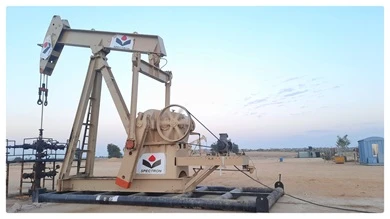

Heavy oil fields in the Middle East and Asia hold vast untapped reserves but their high viscosity presents a constant challenge to economic recovery. That’s where Cyclic Steam Stimulation (CSS) steps in as a proven Enhanced Oil Recovery (EOR) technique, especially in mature or low-permeability reservoirs.
Yet the effectiveness of CSS doesn't just depend on geology it hinges on technology, engineering, and supplier reliability. Across Oman, Kuwait, India, and Indonesia, CSS suppliers are playing a vital role in bringing down the cost-per-barrel, improving uptime, and aligning thermal EOR with sustainability goals.
In this article, we explore how advanced CSS suppliers are driving performance in some of the most challenging oilfield conditions in the world.
What Makes CSS So Effective in These Regions?
Cyclic Steam Stimulation, often referred to as “huff and puff,” involves three main stages:
- Steam Injection – Superheated steam is injected into the wellbore.
- Soaking – The well is shut-in for a period to allow heat transfer.
- Production – Heated oil is pumped to the surface as viscosity drops.
This cycle can be repeated multiple times, often boosting production from previously uneconomical wells. The CSS method is particularly suited for:
- High-viscosity reservoirs in Rajasthan (India), South Oman, and Southern Iraq
- Heavy oil fields with shallow depths and minimal gas drive
- Mature reservoirs with declining primary and secondary recovery yields
How the Right CSS Supplier Makes a Difference
In regions where operational costs are tightly scrutinized and field conditions are harsh, the CSS system’s design and support ecosystem are critical. Here’s what separates best-in-class suppliers from the rest:
1. Adaptability to Remote and Harsh Environments
Middle Eastern oilfields often face:
- High ambient temperatures (>50°C)
- Desert dust and sand infiltration
- Limited access to grid electricity
- High salinity in available water
A competent CSS supplier must provide:
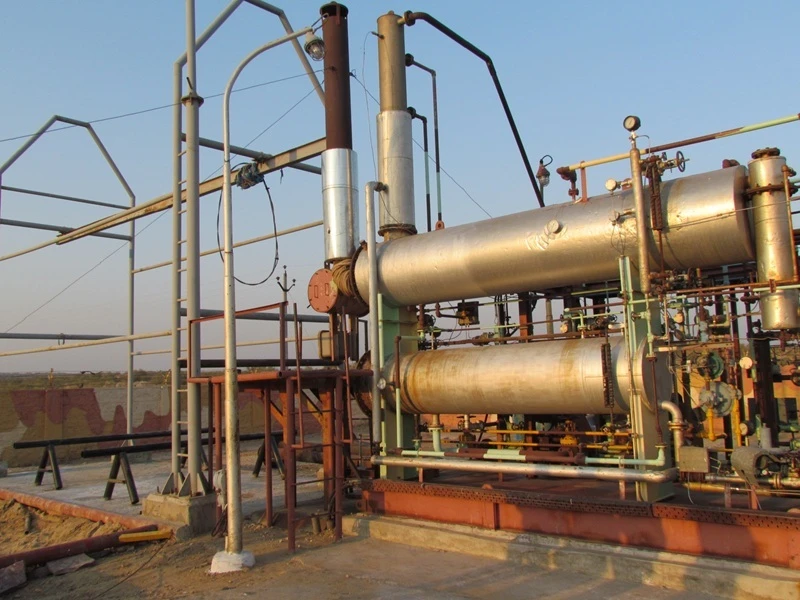
- Skid-mounted or trailer-mounted units
- Diesel/gas-fired boilers with thermal insulation
- Corrosion-resistant piping and fittings
- Integrated water treatment for boiler feed quality
Suppliers like Spectron Group design CSS systems with localized field realities in mind ensuring consistent operation even in off-grid or harsh terrain.
2. Optimizing Steam-Oil Ratios (SOR)
The steam-oil ratio (SOR) is a critical efficiency metric. A high SOR means more fuel and water are used per barrel of oil recovered, reducing profit margins.
A reliable CSS supplier helps reduce SOR by:
- Providing high-efficiency boilers with real-time temperature/pressure control
- Enabling precise steam injection volumes per cycle
- Using insulated piping and recirculation loops to prevent heat losses
- Integrating dryness fraction measurement and auto-adjustments
By optimizing thermal efficiency, the supplier directly contributes to better field economics.
3. Modular, Mobile Deployments for Multi-Well Operations
Many oilfields in India and Southeast Asia require rapid deployment across multiple sites often with limited civil infrastructure.
A good supplier offers:
- Modular CSS systems that can be relocated quickly
- Quick-connect fittings and plug-and-play instrumentation
- Units pre-wired and pre-piped to minimize field assembly
- Fast commissioning timelines (often within days)
This modularity ensures capital flexibility and shorter payback periods.
4. Digital Integration for Smart Oilfields
Operators in the UAE, Saudi Arabia, and Malaysia are increasingly investing in digital oilfield capabilities. Modern CSS systems should support:
- SCADA integration
- Cloud-based logging of cycle performance
- Remote alerts via SMS/email for system faults
- Predictive analytics for maintenance scheduling
Spectron’s CSS systems include HMI interfaces and PLC-based control panels ready for real-time performance tracking and centralized management.
5. Environmental Compliance and ESG Alignment
With the global focus on emissions, even thermal EOR processes must be aligned with environmental and regulatory standards. This is especially relevant in the Middle East where carbon footprint reduction is a national priority.
Top-tier suppliers now provide:
- Low-NOx burners and combustion optimization
- Steam condensate recovery for water reuse
- Stack emission monitoring modules
- Integration with solar pre-heaters or hybrid fuel systems
This makes it easier for operators to meet sustainability KPIs without compromising recovery rates.
6. Field Training and Lifecycle Support
Heavy oil recovery is equipment-intensive. Without proper training and spares support, even the best-designed CSS system can face downtime.
A dependable supplier offers:
- Localized operator training in native languages
- Illustrated manuals and SOPs
- Spare parts kits and recommended consumables
- Technical support teams based in or near the region
Spectron, for example, has field service engineers across India and the GCC, ensuring minimal downtime even in remote areas.
Where the Demand Is Growing
Region
CSS Use Case
Rajasthan, India
Heavy oil fields with low natural drive
Oman & Kuwait
Secondary recovery in low-permeability zones
Indonesia
Brownfield enhancement and pilot EOR projects
Iraq
Thermal pilot programs in southern reserves
Bangladesh
Shallow reservoirs with high paraffin content
Why Procurement Teams Should Evaluate CSS Suppliers Carefully
Evaluation Factor
Strategic Benefit
Boiler & skid design
Adaptability to site layout and logistics
Automation capabilities
Remote control and fault-proof operation
Energy efficiency metrics
Lower OPEX and faster ROI
Environmental safeguards
Easier regulatory approval
On-ground service presence
Reduced response time in case of faults
Final Thoughts
As energy demand continues to rise across Asia and the Middle East, CSS systems will remain central to the heavy oil recovery playbook. But unlocking the full potential of thermal EOR requires more than steam; it requires a partner who brings innovation, integration, and insight.
Working with a reliable CSS supplier like Spectron Group empowers oilfield operators to achieve higher recovery rates, lower costs, and better compliance all while meeting the challenges of terrain, logistics, and regulation.


























Sign in to leave a comment.