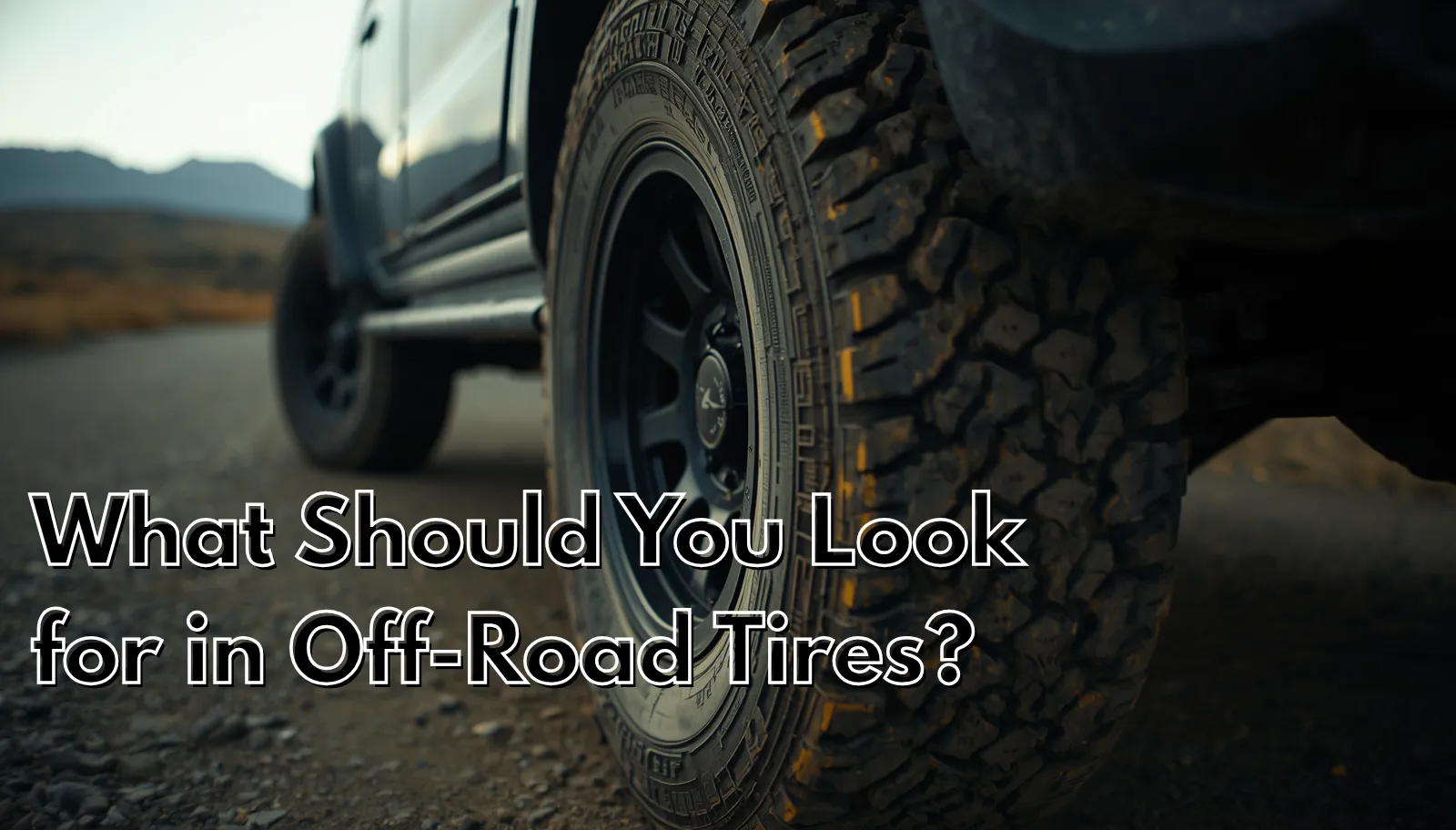

Ready to leave the pavement behind and hit the trails? The right off-road tires can take you there. Whether you’re tackling rocky mountain passes, muddy backroads, sandy dunes, or snowy forest trails, your tires are the crucial link between your vehicle and the terrain. In this guide, we’ll break down exactly what you should look for in off-road tires so you can choose with confidence. From tread patterns and sidewall strength to tire size and terrain-specific designs, you’ll learn how to match your tires to your adventures—and unlock the full potential of your 4x4, truck, or SUV.
Built for More Than Just Looks
At first glance, off-road tires may seem like little more than a cosmetic upgrade, but their real value lies in the performance they deliver once the pavement ends. Unlike standard highway tires, which are engineered primarily for comfort, fuel efficiency, and low road noise, purpose-built off-road tires are designed to tackle harsh environments and unpredictable terrain.
One of the biggest differences comes down to tread design. Highway tires feature shallower grooves and smoother tread patterns that maximize grip on paved roads. Off-road tires, on the other hand, use larger tread blocks, deeper channels, and reinforced sidewalls to maintain traction in mud, sand, loose gravel, rocky trails, and even snowy conditions. These aggressive patterns also help eject dirt and debris, preventing the tires from losing grip on challenging terrain.
Durability is another key factor. Off-road adventures expose tires to sharp rocks, ruts, and rough surfaces that can quickly wear down ordinary tires. That's why many off-road models are built with stronger rubber compounds and tougher sidewalls that resist punctures and cuts.
Because of these advantages, serious enthusiasts and overlanders often invest in premium brands such as Nitto Tires. Popular options like the BFGoodrich KO2, Nitto Ridge Grappler, and Falken Wildpeak AT4W have earned loyal followings thanks to their ability to balance rugged off-road capability with everyday drivability, making them a practical choice for drivers who demand more from their vehicles.
Matching Your Tires to Your Driving Style
Not all off-road tires are built for the same kind of adventure, which is why it's important to think about how you actually use your vehicle. A set of tires that performs exceptionally well on rocky trails may not deliver the comfort and quiet ride you want during your daily commute.
For drivers who spend most of their time on paved roads but enjoy the occasional weekend getaway, all-terrain tires often provide the ideal balance between everyday comfort and off-road capability. They offer dependable traction on dirt, gravel, and light trails without sacrificing too much ride quality.
If your adventures involve overlanding, rock crawling, or desert running, you'll need tires designed for harsher conditions. Rock crawlers typically prioritize maximum grip and reinforced sidewalls, while desert enthusiasts often look for tires that can handle loose sand and high-speed terrain. Meanwhile, work trucks and utility vehicles may require tires that combine durability with higher load capacities.
Understand the Different Types of Off-Road Tires
Choosing the right off-road tire starts with understanding the available categories. While all off-road tires are designed to handle challenging terrain, each type offers a unique balance of performance, comfort, and durability. Here's a closer look at the three main options.
All-Terrain (A/T) Tires
All-terrain tires are a popular choice for drivers who divide their time between city streets and off-road trails. Designed to perform well in a wide range of conditions, they strike a balance between rugged capability and everyday comfort.
One of the biggest advantages of all-terrain tires is their versatility. Compared to more aggressive options, they typically provide a quieter ride, longer tread life, and dependable traction in rain, snow, dirt, and gravel. For many truck and SUV owners, all-terrain tires offer the best mix of practicality and performance year-round.
Mud-Terrain (M/T) Tires
Mud-terrain tires are built for serious off-road enthusiasts who frequently tackle deep mud, loose dirt, rocky trails, and other demanding environments. Their aggressive tread patterns feature larger tread blocks and wider gaps that help maintain traction in challenging conditions.
The biggest strength of mud-terrain tires is their ability to deliver superior grip where standard tires struggle. However, that extra capability comes with a few compromises. Because of their rugged design, mud-terrain tires often produce more road noise and may wear faster when used primarily on paved roads.
Hybrid Tires
Hybrid tires combine many of the best qualities of all-terrain and mud-terrain models. They offer a more aggressive appearance and improved off-road performance than traditional all-terrain tires while maintaining better ride comfort and handling than most mud-terrain options.
For drivers who want a tire that can confidently handle daily commutes, weekend adventures, and everything in between, hybrid tires provide a versatile middle ground. Their balanced design makes them an increasingly popular choice among truck owners, overlanders, and outdoor enthusiasts.
Key Features to Look for in Off-Road Tires
Once you've narrowed down the type of off-road tire that fits your driving style, it's time to look at the features that separate a capable tire from an average one. From tread design to sidewall strength, these details can have a major impact on performance both on and off the road.
Tread Pattern and Traction
The tread pattern is one of the first things you should examine when shopping for off-road tires because it directly affects traction across different terrains.
Tires with open tread patterns feature larger gaps between tread blocks, allowing them to dig into loose surfaces and provide better grip in muddy or uneven conditions. In contrast, tires with tightly packed tread blocks tend to deliver a smoother and quieter ride on paved roads.
Another important feature is self-cleaning capability. Many off-road tires are designed to shed mud, dirt, and small rocks as the wheels rotate, helping maintain traction when conditions get messy.
Sidewall Strength and Durability
Off-road driving puts far more stress on tires than everyday commuting, which is why sidewall strength is so important. Reinforced sidewalls provide extra protection against punctures, cuts, and sharp rocks that could damage standard highway tires.
Many off-road enthusiasts prioritize durability over ride comfort because a tougher tire is better equipped to handle rough trails and unpredictable terrain. Strong sidewalls can also improve stability when navigating rocky paths or carrying heavy loads.
Tire Size and Ground Clearance
Larger tires don't just give a truck or SUV a more aggressive look—they can also improve off-road capability. Bigger tires increase ground clearance, helping vehicles clear rocks, ruts, and other obstacles more easily while improving approach and departure angles.
However, upsizing comes with trade-offs. Larger tires are often heavier, which can affect fuel economy, acceleration, and overall handling. Drivers should also pay close attention to load ratings, wheel compatibility, and fitment requirements, as some vehicles may require suspension or wheel modifications to accommodate larger tires.
Rubber Compound and Tread Life
The rubber compound used in a tire plays a major role in both performance and longevity. Softer compounds generally offer better grip, especially on rocks and uneven terrain, because they can conform more easily to the surface beneath them.
Harder compounds, on the other hand, are designed for durability and longer tread life. While they may sacrifice a bit of traction in extreme conditions, they often perform better for drivers who spend significant time on highways and want to maximize their tires' lifespan.
Turn Every Trail into an Adventure
No two off-road adventures are exactly alike, which is why choosing the right tires requires careful consideration. The ideal set should deliver the traction, durability, and versatility needed to handle your favorite terrain without sacrificing everyday drivability. By understanding the different tire types and the features that matter most, you’ll be better equipped to make an informed decision for your vehicle. Ready to upgrade your next adventure? Explore your options and invest in off-road tires that can take you farther, wherever the road—or lack of one—leads.

























Sign in to leave a comment.