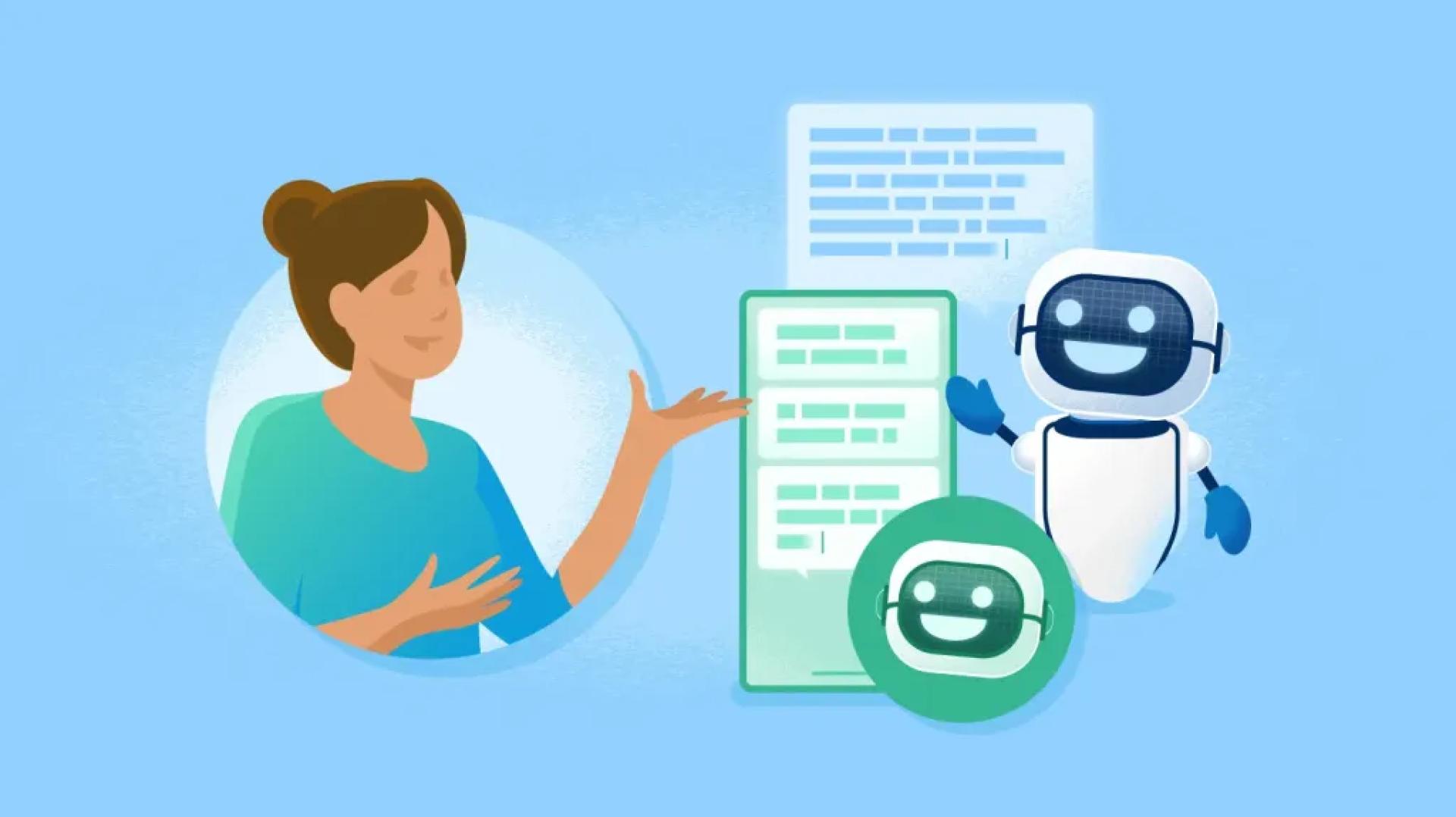

In the ever-evolving landscape of digital marketing and customer service, small businesses are constantly seeking efficient ways to provide support, increase engagement, and improve customer satisfaction. One innovation that has significantly transformed customer interaction is chatbot services. These automated conversational tools have moved from a novelty to a necessity, especially for businesses looking to scale their operations without stretching their resources.
Whether you're just starting or looking to enhance your digital presence, understanding the best chatbot marketing agency services is vital for small businesses aiming to thrive in a competitive environment. This comprehensive guide explores everything you need to know—from what chatbots are, how they work, their advantages, implementation strategies, and key considerations to evaluating ROI.
What Are Chatbot Services?
Chatbot services involve the use of computer programs designed to simulate conversation with human users, typically over the internet. These programs can be powered by rule-based scripts or sophisticated AI (Artificial Intelligence) and NLP (Natural Language Processing) technologies. Chatbots can handle a wide array of tasks, such as answering FAQs, processing orders, booking appointments, and more.
Depending on complexity, chatbots can range from basic, decision-tree based bots to advanced AI-powered assistants capable of learning and evolving over time.
Types of Chatbots Used by Small Businesses
Understanding the different types of chatbot services is crucial before implementation. Small businesses can benefit from either of the following based on their needs:
1. Rule-Based (Scripted) Chatbots
- Follow pre-defined paths and scripts
- Ideal for handling straightforward queries
- Low cost and easier to implement
2. AI-Powered Chatbots
- Use NLP and machine learning
- Can understand context, learn from interactions
- Suitable for complex queries and dynamic conversations
3. Hybrid Chatbots
- Combine rule-based functionality with AI capabilities
- Allow human takeover if bot cannot resolve the query
These chatbot models can be deployed on websites, social media platforms, or messaging apps like WhatsApp, Facebook Messenger, and Slack.
Why Chatbots Are Game-Changers for Small Businesses
Implementing chatbot services offers a range of benefits that are particularly valuable for small enterprises with limited staff and budget.
1. 24/7 Availability
Customers can get answers anytime, improving user experience and ensuring your business never sleeps.
2. Cost Efficiency
Hiring support staff can be expensive. Chatbots automate routine queries, allowing you to reallocate resources to more complex tasks.
3. Improved Customer Experience
Instant replies, personalized messages, and consistent communication enhance overall satisfaction.
4. Lead Generation and Qualification
Bots can collect visitor information, qualify leads through a series of questions, and hand off hot leads to sales reps.
5. Boost in Engagement Rates
Interactive conversations encourage users to spend more time on your site or social media page, increasing conversion potential.
6. Scalability
Chatbots can handle hundreds of conversations simultaneously, which is impossible for human agents.
7. Increased Sales
Bots can recommend products, upsell, cross-sell, and guide users down the sales funnel efficiently.
Key Use Cases of Chatbot Services in Small Business Operations
Small businesses across industries can utilize chatbot services in several impactful ways:
1. Customer Support
Answer FAQs, process refunds, track orders, or resolve issues—chatbots make customer support faster and more efficient.
2. Appointment Booking
For service-based businesses (salons, dentists, consultants), chatbots can manage schedules and book appointments.
3. E-commerce Assistance
Guide users through products, assist in checkout, offer coupons, and handle post-sale service.
4. Lead Capture
Use bots on landing pages to qualify leads by asking the right questions before handing them over to sales.
5. Internal HR Support
Handle internal employee queries regarding HR policies, payroll, or leave management.
6. Event Registration
Automate RSVPs, event reminders, and post-event feedback collection.
How to Implement Chatbot Services in Your Small Business
Implementing chatbot services may sound intimidating, but it’s quite manageable, especially with no-code tools now available in the market.
Step 1: Identify Your Needs
Clarify what you want the chatbot to do—customer service, sales support, lead generation, etc.
Step 2: Choose the Right Platform
Popular chatbot-building platforms include:
- Tidio
- Drift
- Chatfuel
- ManyChat
- Intercom
- Zendesk
- HubSpot
These tools often offer drag-and-drop interfaces, pre-built templates, and integrations with CRMs and email tools.
Step 3: Map the User Journey
Design the bot to guide users based on their intent and provide helpful responses or options.
Step 4: Test Thoroughly
Ensure that the bot is functioning properly, answers make sense, and there's a clear escalation path to a human agent.
Step 5: Launch and Monitor
Go live, but continuously monitor performance. Use analytics to improve response accuracy and user experience.
Metrics to Track for Chatbot Success
Just like any digital tool, measuring chatbot performance is essential. Here are KPIs small businesses should monitor:
- Number of Conversations: Indicates user engagement level
- User Retention Rate: Measures how often users return to use the bot
- Resolution Rate: Percentage of queries the bot resolves without human help
- Conversion Rate: Tracks users who complete a desired action via the bot
- Response Time: Shorter times indicate better service levels
- Drop-Off Rate: Points in the conversation where users leave—key for refining flows
These KPIs help ensure the chatbot is delivering value and highlight areas for improvement.
Common Challenges and How to Overcome Them
1. Limited Language Understanding
Some chatbots may struggle with slang, typos, or complex queries. Use training data and NLP-enhanced bots to improve understanding.
2. Over-Automation
Trying to replace all human interaction can alienate customers. Always offer a human fallback option.
3. Privacy Concerns
Ensure that your bot complies with data protection laws like GDPR. Always disclose data usage and offer opt-outs.
4. Misaligned Expectations
A bot shouldn’t promise more than it can deliver. Be transparent about capabilities to avoid frustrating users.
5. Lack of Integration
A bot disconnected from your CRM or helpdesk won't be effective. Make sure it integrates with your existing tools.
Cost of Chatbot Services for Small Businesses
Chatbot pricing varies depending on features, platforms, and use cases. Here’s a rough breakdown:
- Basic bots: Free to $50/month (ideal for startups)
- Advanced bots with AI: $50–$500/month
- Custom-built bots: $1,000+ (one-time or recurring)
Many platforms offer free trials or freemium models, allowing small businesses to start with minimal risk.
Industry-Specific Chatbot Applications
Let’s look at how various small business industries benefit from chatbot services:
1. Retail & E-commerce
- Product recommendations
- Order tracking
- Customer feedback collection
2. Healthcare
- Patient intake
- Appointment reminders
- Prescription refill requests
3. Restaurants & Cafés
- Table reservations
- Menu navigation
- Feedback after dining
4. Education & Coaching
- Course enrollment
- Answering FAQs
- Scheduling sessions
5. Real Estate
- Property listings
- Booking viewings
- Lead qualification
Future Trends in Chatbot Services for Small Businesses
Staying ahead of trends ensures you make the most out of chatbot services:
1. Voice-Activated Bots
As voice search grows, voice-capable chatbots are becoming more prevalent.
2. AI + Sentiment Analysis
Bots will soon identify emotional tone and adapt responses accordingly.
3. Multilingual Support
Chatbots will increasingly support multiple languages for global reach.
4. Hyper-Personalization
AI-enhanced bots will deliver tailored responses based on user behavior and preferences.
5. Bot-to-Bot Communication
Bots communicating with other bots to complete tasks will emerge, making business workflows more seamless.
Important Points for Small Businesses
- Don’t overcomplicate your first bot. Start simple and evolve based on user feedback.
- Train your bot using real customer data for improved results.
- Avoid hard sales tactics; focus on helpful, conversational engagement.
- Ensure compliance with data privacy regulations.
- Monitor analytics regularly and refine flows for better engagement.
Conclusion
Chatbot services represent one of the most powerful and cost-effective tools small businesses can use to enhance customer support, drive conversions, and stay competitive in the digital era. These intelligent conversational agents provide 24/7 assistance, reduce operational costs, and create seamless user experiences that today’s consumers expect.
For small business owners, integrating chatbot services doesn’t require a massive investment. With a clear strategy, the right platform, and a focus on user experience, any small business can deploy a chatbot that delivers significant ROI.
Start small, analyze consistently, and evolve your chatbot strategy to ensure it becomes an indispensable part of your business growth journey.

























Sign in to leave a comment.