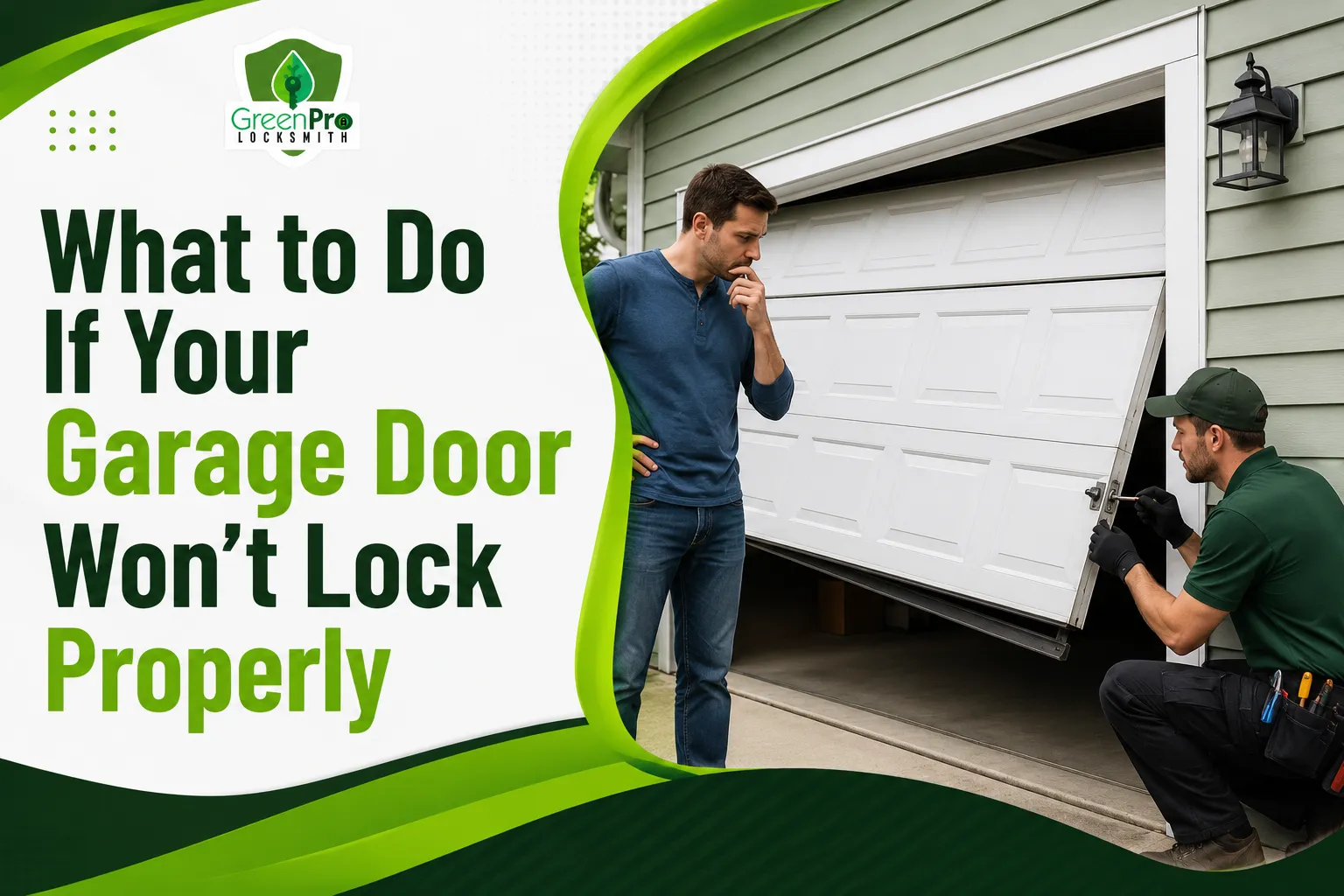

A garage door that won’t lock properly can create serious security concerns for homeowners. Your garage is often connected directly to your home, which means a faulty lock can make it easier for intruders to gain access. Whether the issue is caused by worn-out parts, alignment problems, or damaged locking systems, it’s important to address the problem quickly before it becomes worse.
Many homeowners contact a professional locksmith in atlanta when dealing with garage security issues because experienced technicians can identify the exact cause and recommend the best solution.
Common Reasons Your Garage Door Won’t Lock Properly
Garage doors are made up of several moving parts that work together to provide security and smooth operation. When one part fails, the entire locking system can stop functioning correctly.
Misaligned Garage Door Tracks
One of the most common problems is misaligned tracks. If the tracks are bent or out of position, the garage door may not close completely. Even a small gap can prevent the locking mechanism from engaging properly.
A professional inspection can determine whether the tracks need adjustment or replacement.
Damaged Locking Mechanism
Garage door locks experience wear and tear over time. Rust, dirt buildup, and broken internal components can stop the lock from working properly.
Common lock issues include:
- The key won’t turn
- The latch won’t connect
- The lock feels loose
- The lock sticks frequently
In some cases, cleaning and lubrication may solve the problem. However, older locks often need replacement for better security.
Broken Garage Door Springs
Garage door springs help balance the weight of the door. When springs break or weaken, the door may not close fully, which affects the lock.
Broken springs can also make the garage door unsafe to operate. If you notice:
- Loud snapping sounds
- Crooked door movement
- Difficulty lifting the door
- Sudden heavy door movement
you should avoid using the garage door until it is inspected by a professional technician.
Sensor Problems
Modern garage doors use safety sensors to detect obstacles. If sensors become dirty, blocked, or misaligned, the garage door may reverse before closing completely.
Simple sensor troubleshooting includes:
- Cleaning the sensor lenses
- Removing objects blocking the sensors
- Checking for blinking sensor lights
- Ensuring both sensors face each other properly
Small sensor problems are often easy to fix and can restore proper locking function quickly.
Weather-Related Damage
Extreme weather conditions can affect garage door performance. Heat, moisture, and cold temperatures may cause metal parts to expand, contract, or rust.
Common weather-related issues include:
- Rusted lock components
- Swollen wooden doors
- Frozen door seals
- Warped panels
Regular maintenance can help protect your garage door from seasonal damage.
When to Repair vs Replace Your Garage Door
Some garage door problems can be fixed with simple repairs, while others may require a complete replacement. Older garage doors with multiple damaged components often become more expensive to maintain over time.
In many situations, knowing the common garage door repair costs makes it easier to decide whether to repair or replace your door. If repairs are becoming frequent or the security features are outdated, investing in a newer garage door system may provide better long-term value and protection.
Tips to Improve Garage Door Security
Even after fixing the locking issue, there are additional steps homeowners can take to improve garage security.
Install a Smart Garage Door System
Smart garage door openers allow homeowners to monitor and control their garage remotely through mobile apps. Some systems also send alerts when the garage is left open.
Upgrade to High-Security Locks
Standard garage door locks may not provide enough protection against forced entry. Upgrading to stronger deadbolts or reinforced locking systems can improve security significantly.
Add Motion Sensor Lighting
Dark driveways and garages create hiding spots for intruders. Motion-sensor lights increase visibility and discourage suspicious activity around your home.
Perform Regular Maintenance
Routine inspections help catch problems before they become serious. Lubricating moving parts, tightening loose hardware, and checking door balance can extend the life of your garage door.
When to Call a Professional
Some garage door issues are simple, but others require professional repair for safety reasons. Attempting to repair broken springs or electrical components without experience can lead to injuries or further damage.
You should contact a professional if:
- The garage door won’t close fully
- The lock is completely broken
- The springs appear damaged
- The door is off-track
- The opener stops responding
- You notice unusual noises or vibrations
Professional locksmiths and garage door technicians have the tools and experience needed to restore security safely and efficiently.
Conclusion
A garage door that won’t lock properly should never be ignored. Small issues can quickly turn into larger security risks if left unresolved. From broken locks and damaged springs to sensor problems and track misalignment, there are several possible causes behind garage door locking issues.
Regular maintenance, security upgrades, and timely repairs can help keep your garage secure and functioning properly. If the problem continues or the damage appears serious, contacting a professional can help restore your home’s safety and prevent future issues.
FAQs
Why won’t my garage door lock completely?
This can happen because of misaligned tracks, damaged locks, broken springs, or faulty sensors that prevent the door from closing fully.
Can I fix a garage door lock myself?
Minor issues like lubrication or cleaning may be handled at home, but broken locks and damaged parts should be repaired by professionals.
How often should garage doors be serviced?
Most experts recommend garage door maintenance at least once a year to ensure smooth operation and proper security.
Is it better to repair or replace an old garage door?
If repairs are frequent and the door has multiple issues, replacement may be more cost-effective and secure in the long run.
Can weather affect garage door locks?
Yes, extreme heat, cold, and moisture can damage locks, springs, and other garage door components over time.




























Sign in to leave a comment.