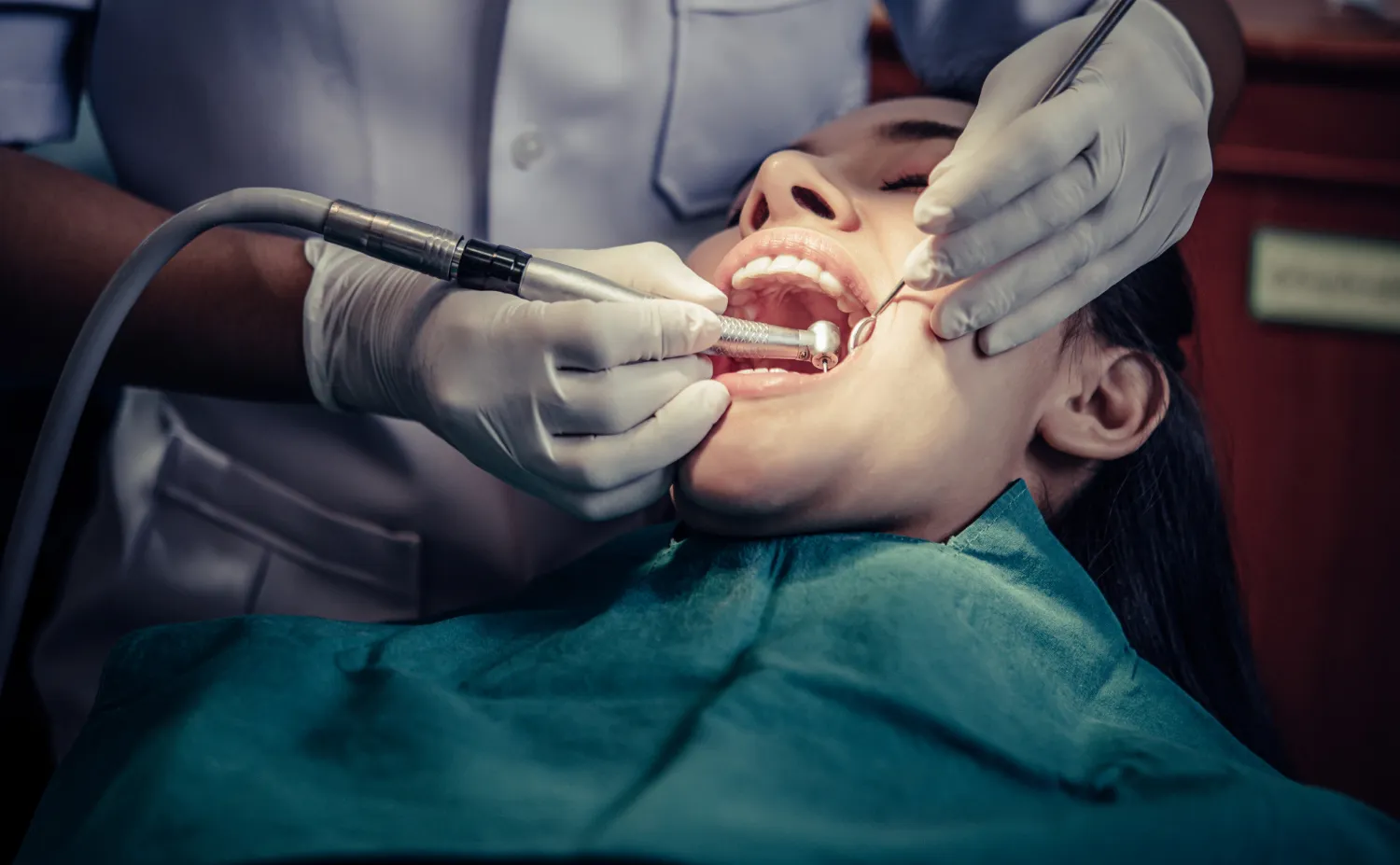

Maintaining good oral hygiene is essential for preventing dental problems and ensuring long term oral health. Regular dental visits play a key role in removing plaque, preventing gum disease, and keeping teeth strong and healthy. Many individuals wonder what actually happens during a professional cleaning and how it benefits their oral health. A teeth cleaning appointment is a routine yet important procedure that helps maintain a bright smile and supports overall dental wellness through preventive care, early detection, and professional maintenance techniques.
Understanding the Purpose of Teeth Cleaning
Why Professional Cleaning Is Important
Professional dental cleaning is designed to remove plaque and tartar that cannot be eliminated through regular brushing and flossing alone. Over time, bacteria accumulate on the teeth and along the gumline, leading to decay and gum disease if not properly managed. A dental cleaning helps eliminate these harmful deposits and reduces the risk of long term oral health issues. It is an essential part of preventive dentistry that supports healthy teeth and gums.
Benefits of Routine Dental Cleanings
Routine dental cleanings offer several benefits beyond just cleaning the teeth. They help prevent cavities, reduce bad breath, and improve overall gum health. Regular visits also allow dental professionals to detect early signs of dental problems before they become serious. This proactive approach helps patients avoid complex treatments in the future and supports long lasting oral health. Consistent cleanings contribute to a healthier and more confident smile.
Initial Examination Before Cleaning
Oral Health Assessment
Before the cleaning process begins, the dental professional performs a thorough examination of the mouth. This includes checking the teeth, gums, and surrounding tissues for signs of decay, inflammation, or other concerns. The assessment helps identify any issues that may require attention during or after the cleaning process. This step ensures that the patient receives personalized care based on their specific oral health condition.
Identifying Potential Concerns
During the initial examination, the dental professional may also look for early signs of gum disease, cavities, or other oral health issues. Detecting these problems early allows for timely treatment and prevents further complications. This careful evaluation ensures that the cleaning process is both safe and effective. It also helps create a treatment plan tailored to the patient’s needs, improving overall dental outcomes.
Removal of Plaque and Tartar
Scaling the Teeth
One of the most important steps in a dental cleaning is scaling, which involves removing plaque and tartar buildup from the surface of the teeth and along the gumline. Special dental instruments are used to carefully eliminate these deposits without damaging the teeth. This process is essential because tartar cannot be removed through regular brushing alone. Scaling helps restore cleanliness and prevents the progression of dental disease.
Cleaning Hard to Reach Areas
Plaque and tartar often accumulate in areas that are difficult to clean with a toothbrush. During a professional cleaning, these hard to reach areas are thoroughly addressed. The dental professional ensures that every part of the mouth is properly cleaned, including between teeth and along the gumline. This comprehensive cleaning helps maintain better oral hygiene and reduces the risk of future dental problems.
Professional Tooth Polishing
Smoothing the Tooth Surface
After scaling, the teeth are polished using a special instrument and a mildly abrasive paste. This process helps remove surface stains and smooths the enamel. Polishing not only improves the appearance of the teeth but also makes it more difficult for plaque to accumulate in the future. A smooth tooth surface contributes to better oral hygiene and a cleaner feeling in the mouth.
Enhancing Appearance and Freshness
Tooth polishing also enhances the overall appearance of the smile by removing minor discoloration and stains caused by food, drinks, or smoking. Patients often leave the appointment with a noticeably brighter and fresher smile. This improvement in appearance boosts confidence and encourages individuals to maintain good oral hygiene habits at home.
Flossing and Final Cleaning Steps
Deep Cleaning Between Teeth
After polishing, the dental professional performs a thorough flossing session to remove any remaining debris between the teeth. This step ensures that all areas of the mouth are completely clean. Professional flossing also helps identify areas where patients may need to improve their daily oral hygiene routine. It reinforces the importance of proper flossing techniques for maintaining healthy gums.
Rinsing and Final Inspection
Once the cleaning process is complete, the patient is usually asked to rinse their mouth to remove any remaining particles. A final inspection is then conducted to ensure that all areas have been properly cleaned. This step confirms that the teeth and gums are in good condition and that no issues have been overlooked during the procedure.
Gum Health Evaluation
Checking for Signs of Gum Disease
Gum health is an important part of any dental cleaning visit. The dental professional evaluates the gums for signs of inflammation, bleeding, or infection. Early detection of gum disease is crucial for preventing more serious conditions. Regular cleanings help maintain healthy gums and reduce the risk of periodontal disease, which can lead to tooth loss if left untreated.
Importance of Healthy Gums
Healthy gums provide strong support for the teeth and play a vital role in overall oral health. During the cleaning visit, patients receive guidance on how to maintain healthy gums through proper brushing, flossing, and lifestyle choices. Maintaining gum health is essential for long term dental stability and overall well being.
Patient Education and Guidance
Oral Hygiene Instructions
After the cleaning process, dental professionals often provide personalized oral hygiene instructions. These may include recommendations on brushing techniques, flossing methods, and the use of dental care products. Proper education helps patients maintain the results of their cleaning and improve their daily oral hygiene routine. This guidance is an important part of preventive dental care.
Lifestyle and Dietary Advice
Diet and lifestyle choices can significantly impact oral health. During the visit, patients may receive advice on reducing sugar intake, avoiding harmful habits, and choosing foods that support healthy teeth and gums. These recommendations help patients make informed decisions that contribute to better long term oral health.
Importance of Regular Teeth Cleaning Visits
Preventing Long Term Dental Issues
Regular dental cleanings are essential for preventing long term oral health problems. By removing plaque and tartar buildup, these visits help reduce the risk of cavities, gum disease, and other complications. Consistent care ensures that small issues are addressed before they become more serious, supporting overall dental health.
Maintaining a Healthy Smile
Routine cleanings help maintain a bright, clean, and healthy smile. They contribute to improved confidence and better oral hygiene habits. Patients who attend regular cleaning appointments are more likely to enjoy long lasting dental health and avoid extensive dental treatments in the future.
Conclusion
A professional dental cleaning is an essential part of maintaining good oral health and preventing dental problems. From initial examination to plaque removal, polishing, and patient education, each step plays an important role in ensuring a healthy smile. Regular visits help detect issues early and support long term dental wellness. Individuals seeking quality preventive care can rely on Glenside Dental for professional teeth cleaning services that promote healthier teeth and gums for the future.





























Sign in to leave a comment.