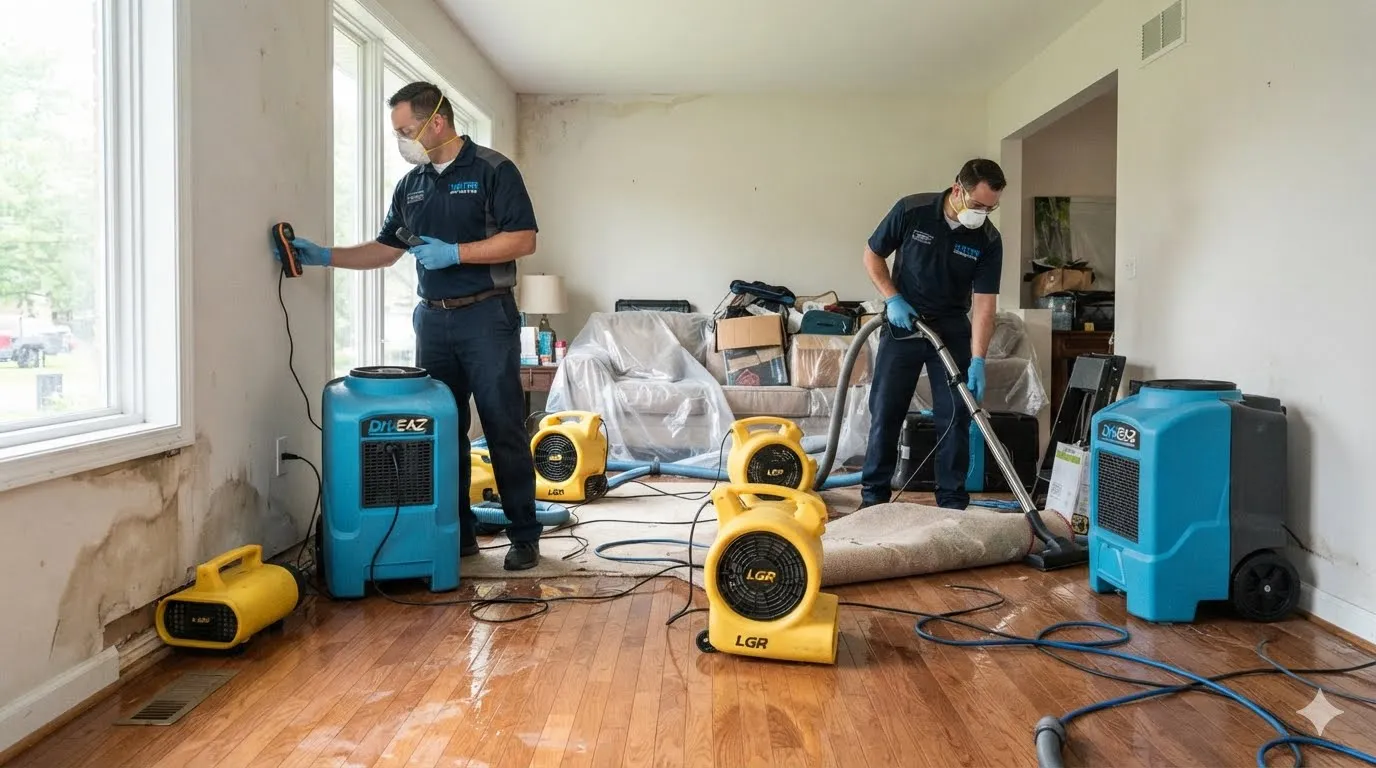

Water damage can turn an ordinary day into a stressful one. A burst pipe, overflowing appliance, roof leak, or heavy storm can leave floors wet, walls stained, and personal belongings exposed to moisture. Once the water is under control, the next question is often, “What happens now?” Understanding the water restoration process can make the situation easier to manage. If you are dealing with property damage in Central Texas, you can learn more about Water Damage Restoration in Round Rock, TX to see how professional restoration services can help return a damaged property to a safe and usable condition.
Water restoration is more than removing visible water. A professional restoration team looks for moisture that may have moved beneath flooring, inside walls, behind cabinets, or into other hidden areas. The work usually involves inspection, water removal, drying, cleaning, repairs, and a final check of the affected areas. The exact steps depend on how much water entered the property, how long it remained there, and what materials were affected.
The First Step: Assessing the Water Damage
When restoration professionals arrive, they do not simply start pumping water out. The first part of the job is understanding what happened.
They will typically ask about the source of the water, when the incident occurred, and whether the source has already been stopped. This information helps determine what type of response the property needs.
The team may inspect:
- Floors and floor coverings
- Drywall and wall cavities
- Ceilings
- Cabinets and built-in structures
- Insulation
- Furniture and other belongings
- Electrical areas that may have been exposed to water
- Crawl spaces, basements, or other concealed areas
Moisture meters and other inspection equipment may be used to identify damp materials that do not look wet on the surface. This matters because water can travel farther than expected. A small wet patch on a ceiling, for example, may indicate moisture inside the ceiling assembly or a nearby wall.
The source of the water also affects the restoration approach. Clean water from a supply line is handled differently from water that has passed through a toilet, sewage system, flooded ground, or another contaminated source.
Water Removal Usually Comes Before Drying
Once the property has been inspected and the water source is controlled, the restoration team can begin removing standing water.
Depending on the situation, technicians may use pumps, wet vacuums, extraction equipment, and other tools designed to remove water from different surfaces. Large amounts of standing water generally need to be removed quickly because prolonged exposure can cause building materials to absorb more moisture.
Water removal is not always as obvious as it sounds. Carpet may hold a significant amount of water, while moisture can also collect beneath flooring materials. Water may sit in low areas, inside cabinets, or beneath furniture.
The goal is to remove as much excess water as possible before the drying stage begins.
This is where professional equipment can make a difference. Household fans may move air around a room, but they are not designed to measure moisture levels or provide the controlled drying conditions used during professional restoration.
Drying the Property Takes Time
After standing water has been removed, the property may still be damp.
This is one of the most important parts of the restoration process because materials that appear dry may still contain moisture. Restoration technicians may position air movers and dehumidifiers throughout affected areas to increase evaporation and reduce moisture in the surrounding air.
The drying process is monitored rather than based simply on how a room feels.
Technicians may take moisture readings from walls, flooring, structural materials, and other affected areas. They can compare these readings over time to determine whether materials are actually drying.
Depending on the circumstances, drying can take several days. Factors such as temperature, humidity, construction materials, ventilation, the amount of water involved, and how long the property was exposed can all affect the timeline.
You may hear equipment running continuously during this stage. Air movers can be loud, and dehumidifiers may generate heat while operating. This can make the property feel uncomfortable for a while, but the equipment is being used to create conditions that encourage controlled drying.
What Happens to Walls, Flooring, and Other Materials?
Not every water-damaged material needs to be removed.
A restoration professional evaluates each affected material based on its condition, moisture content, contamination level, and ability to dry properly. Some materials may be cleaned and dried in place, while others may need removal and replacement.
For example, drywall that has absorbed a large amount of water may become soft, swollen, or damaged. Certain types of flooring may also deteriorate after prolonged exposure to moisture.
Restoration work may include:
- Removing damaged drywall or insulation
- Pulling up affected flooring
- Removing wet carpet padding
- Cleaning and drying structural areas
- Treating affected surfaces
- Repairing or replacing damaged building materials
- Reinstalling flooring, drywall, trim, or other components after drying
The objective is not to remove everything that became wet. It is to determine what can be restored safely and what cannot.
Cleaning and Addressing Contamination
Water damage can leave behind more than moisture.
Floodwater and other contaminated water may carry dirt, bacteria, sewage, chemicals, and other unwanted substances into the property. Even water that initially appears clean can create problems if it remains inside a building for an extended period.
Depending on the source and severity of the damage, restoration professionals may clean affected surfaces and belongings using appropriate cleaning methods and products.
Odors may also develop when materials remain damp. Proper drying helps reduce moisture-related odors, while cleaning addresses residues and contaminants left behind by the water event.
If mold is discovered, the situation may require additional assessment and remediation procedures. Mold can begin developing when moisture remains available, so addressing water intrusion and drying wet materials promptly can reduce the conditions that support growth.
Your Belongings May Need Attention Too
Water restoration does not always focus only on the building.
Furniture, clothing, documents, electronics, rugs, photographs, and other belongings may also be affected. Some items can be dried or cleaned, while others may be too damaged to restore.
The restoration team may move belongings away from affected areas or identify items that require specialized handling. In more extensive losses, contents may need to be packed, inventoried, transported, cleaned, stored, and returned after the property is ready.
If you have valuable or sentimental items, tell the restoration team about them early. A family photograph or important document may require a different approach than an ordinary household item.
How Long Does Water Restoration Take?
There is no single timeline that applies to every water damage event.
A small localized leak may require much less work than a major flood affecting several rooms. Drying can also take longer when moisture has entered walls, subfloors, insulation, or other difficult-to-access areas.
A typical restoration project may move through these stages:
- Inspection and moisture assessment
- Water source control
- Standing water extraction
- Removal of unsalvageable materials when necessary
- Air movement and dehumidification
- Moisture monitoring
- Cleaning and treatment
- Repairs and reconstruction
- Final inspection
Some steps overlap. For example, cleaning may take place while the property is drying, depending on the condition of the affected materials.
The restoration company should explain what they find, what work is recommended, and what factors could change the expected timeline.
What You Should Do While Waiting for Restoration Professionals
Your first priority should be safety.
If the property has standing water near electrical outlets, appliances, wiring, or electrical equipment, avoid entering the affected area until it has been determined to be safe. Do not walk through potentially contaminated water without appropriate protection.
If possible and safe to do so, stop the water source. For a plumbing leak, this may involve shutting off the appropriate water supply. If the source is a damaged pipe, appliance, or fixture, professional plumbing assistance may be needed.
You can also:
- Take photographs and videos of the damage before moving items, when it is safe.
- Move undamaged belongings away from affected areas.
- Keep people and pets away from standing water.
- Avoid using electrical equipment in wet areas.
- Contact your insurance company if the loss may involve a claim.
- Keep records of restoration-related expenses and communications.
Avoid making major repairs before the extent of the damage has been documented unless immediate action is necessary to prevent further damage.
What About Insurance During Water Restoration?
Insurance coverage depends on the policy, the cause of the loss, exclusions, and the circumstances surrounding the damage.
A restoration company may document affected areas with photographs, moisture readings, equipment records, and other information that can help establish what work was performed. However, restoration professionals do not determine your final insurance coverage. Your insurer and policy terms determine what is covered.
When speaking with your insurance provider, ask about:
- Your deductible
- Whether the type of water damage is covered
- Documentation requirements
- Temporary living arrangements, if the property cannot be occupied
- Whether specific contractors or restoration procedures are required
- The process for submitting restoration invoices and related documentation
Keeping communication organized can make the claims process easier to follow.
What You Should Expect From a Professional Restoration Company
A reputable restoration company should be willing to explain what they are doing and why.
You should not feel pressured to approve work you do not understand. Ask questions about the source of the damage, areas affected, drying methods, materials that may need removal, expected timelines, and what happens after the drying process.
Good communication also means updating you when conditions change.
For example, a technician may initially expect a limited drying job but discover moisture beneath a floor during inspection. That discovery could change the scope of work. You should be informed before additional work is performed whenever possible.
Experience matters because water can behave differently depending on the building's construction and the source of the loss. A trained team knows that visible water is only part of the problem and that moisture readings are more reliable than appearance alone.
When Water Restoration Becomes Reconstruction
Water restoration and reconstruction are related but not identical.
Restoration focuses on stopping the damage, removing water, drying the property, cleaning affected areas, and determining what can be saved. Reconstruction comes afterward when damaged portions of the property need to be rebuilt.
For example, if a water leak damages drywall, flooring, baseboards, and cabinets, the restoration phase may involve water extraction, drying, cleaning, and removal of materials that cannot be saved. Reconstruction may then involve installing new drywall, replacing flooring, repainting walls, and repairing cabinets.
The transition between these stages depends on the condition of the property.
This distinction is useful when planning the project because the room may not immediately look “finished” after the water has been removed. Drying and demolition can leave visible openings or removed materials before repairs begin.
The Final Inspection
Before restoration work is considered complete, the affected areas should be checked again.
Moisture levels should have returned to appropriate levels for the materials involved. Equipment can then be removed, and any remaining cleaning or repair work can be addressed.
A final inspection may also help identify areas that still need attention. If a wall remains damp or a flooring area has not dried as expected, additional work may be necessary.
The end goal is not simply a room that looks dry. The property should be evaluated to make sure remaining moisture and visible damage have been properly addressed.
Final Thoughts: Knowing What Comes Next Can Make Water Damage Easier to Manage
Water damage is disruptive, but knowing what happens during restoration gives you a clearer picture of the road ahead. The process usually begins with finding and controlling the source, followed by inspection, water extraction, drying, cleaning, material removal when needed, and repairs. Each property has its own conditions, so the restoration plan should be based on what technicians actually find rather than a one-size-fits-all checklist.
If a leaking or burst pipe caused the problem, getting the plumbing issue addressed quickly can also help prevent additional water from entering the property. For local assistance, you can learn more about Broken Pipe Repair in Austin, TX. When water damage has already occurred, Legacy Water Restoration can help you understand the restoration process, assess the affected areas, and take the next steps toward getting your property back in usable condition.

























Sign in to leave a comment.