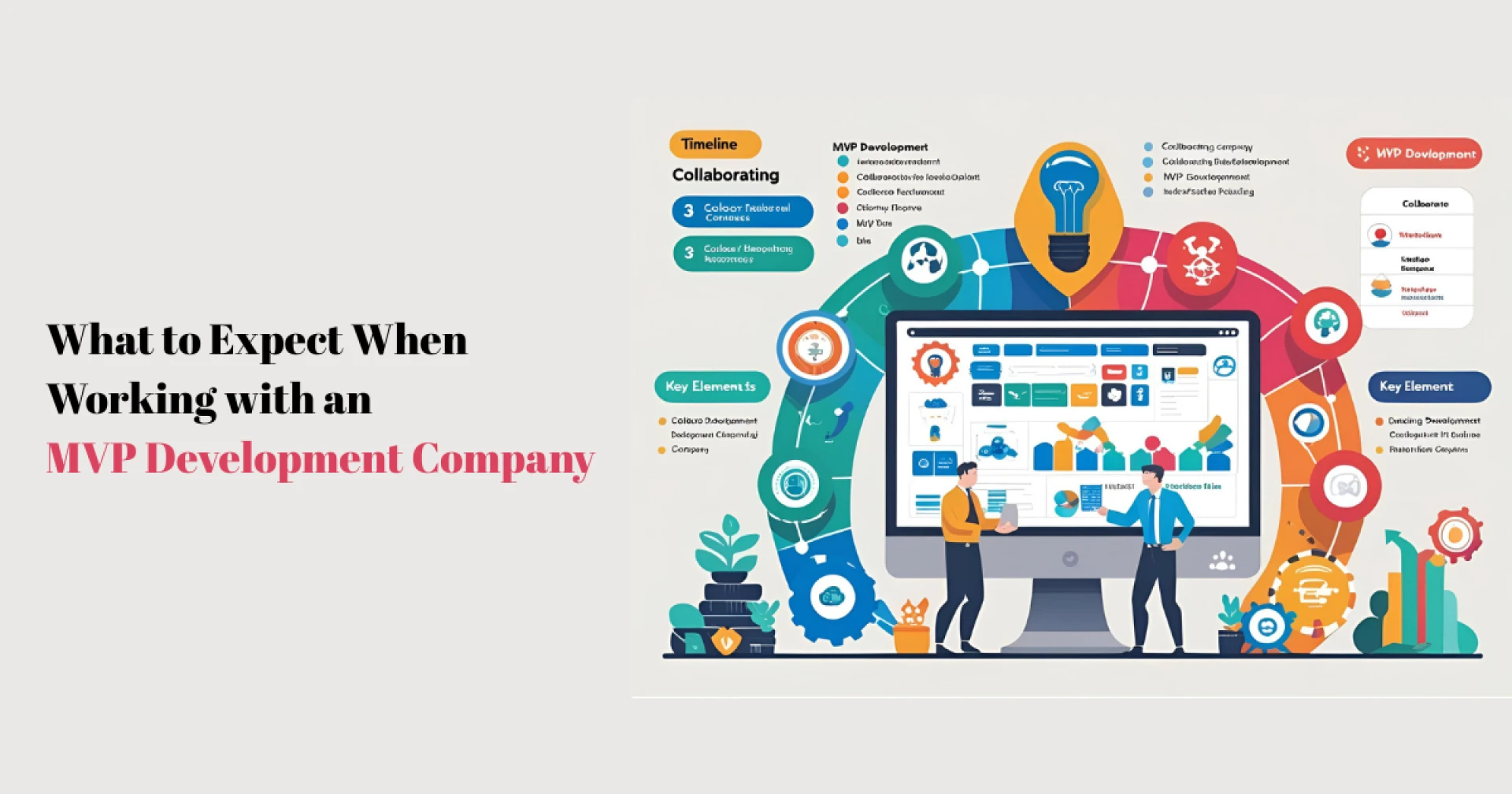

Bringing a digital product idea to life is both exciting and risky. Entrepreneurs often face uncertainty around market fit, budget limitations, and tight timelines. That’s where an MVP development company comes in—a partner that enables you to build a lean version of your product to validate assumptions and engage users early.
This article explores exactly what to expect when working with an MVP development company—from ideation to post-launch—and why partnering with one could be the smartest move for your startup.
What Is an MVP Development Company?
An MVP (Minimum Viable Product) development company specializes in creating the most basic functional version of your product that solves a specific problem for a target audience. This version includes just enough features to:
- Be usable by early adopters
- Generate valuable user feedback
- Test the product’s core value proposition
- Minimize development risk and waste
These companies are often composed of multidisciplinary teams including product strategists, UX/UI designers, developers, and QA engineers.
Why Choose an MVP Development Company?
Here are some compelling reasons why startups and even large enterprises turn to MVP development firms:
- Faster Time-to-Market: Deliver a working version of your product in weeks, not months.
- Cost-Efficiency: Save money by avoiding the development of unnecessary features.
- Expertise: Leverage seasoned professionals with a proven MVP development process.
- User Validation: Test your product idea with real users and iterate before scaling.
- Focus: Keep your vision aligned with market demand through continuous feedback loops.
What to Expect When You Start Working Together
1. Initial Consultation and Discovery
The journey typically begins with a discovery workshop or consultation. This is where the MVP development company learns about:
- Your product vision and goals
- Target users and pain points
- Existing competitors
- Key stakeholders and technical limitations
- Monetization strategy
The goal is to establish a shared understanding of the product’s purpose and ensure all decisions are guided by business needs.
Key Deliverables:
- Project requirement document (PRD)
- Technical feasibility assessment
- Timeline and budget estimate
- NDA and contracts
2. Market & User Research
Before development begins, the MVP development company may conduct market and user research to ensure product-market fit.
This includes:
- Evaluating competitors and alternatives
- Conducting user interviews or surveys
- Identifying personas and use cases
- Validating assumptions with real data
Purpose: Avoid building a product nobody wants.
3. Defining the Core Features
This is one of the most critical phases. The MVP company helps you identify:
- The core functionality that solves the primary user problem
- Features that can wait until future releases
- The scope required for launch
Frameworks used include:
- MoSCoW (Must Have, Should Have, Could Have, Won’t Have)
- Lean Canvas Model
- Business Model Canvas
This prioritization ensures your MVP stays lean and valuable.
4. Wireframing and Prototyping
Next, the design team develops wireframes and interactive prototypes to visualize how users will interact with your product.
- Create low-fidelity and high-fidelity screens
- Define user flows and navigation
- Iterate designs based on feedback
- Build clickable prototypes for stakeholder approval
Tools Used: Figma, Sketch, InVision, Adobe XD
Prototypes reduce risk by revealing usability issues early.
5. Agile Development
MVPs are usually built using agile methodologies like Scrum or Kanban. This enables continuous delivery and adaptation.
Development occurs in sprints (1–2 weeks), where teams:
- Code the app in small modules
- Conduct daily stand-ups
- Deliver demos to stakeholders
- Adjust scope based on feedback
Tech Stack Examples:
- Frontend: React, Vue.js, Flutter
- Backend: Node.js, Django, Laravel
- Database: PostgreSQL, MongoDB, Firebase
6. Quality Assurance
QA is an integral part of MVP development. Expect the company to run:
- Functional Testing: Do features work as intended?
- UI/UX Testing: Is the product intuitive to use?
- Security Testing: Are data and operations secure?
- Performance Testing: Can the product scale with users?
Tools Used: Selenium, Cypress, Postman, BrowserStack
Bug tracking and regression testing ensure your MVP is stable upon release.
7. Deployment and Feedback Loop
Once testing is complete, the product is deployed to a staging or live environment. You’ll then:
- Invite early adopters or beta users
- Monitor user behavior and feedback
- Collect analytics for key metrics (retention, drop-off, conversions)
- Prioritize updates and enhancements for the next version
Tools for analytics: Mixpanel, Google Analytics, Hotjar, Amplitude
Benefits of Hiring an MVP Development Company
1. Strategic Guidance: They help shape your idea into a focused, market-ready product aligned with business goals.
2. Budget Control: Only essential features are built, keeping costs low and avoiding wasted development.
3. Scalable Architecture: MVPs are built with clean, expandable code that supports future growth.
4. Cross-functional Expertise: Access to a full team—designers, developers, QA, and product managers—without hiring individually.
5. Market Validation: Launch quickly, gather user feedback, and iterate based on real-world insights.
How to Choose the Right MVP Partner
Here are some tips for selecting the right MVP development company:
Criteria What to Look For
- Relevant Experience Case studies and portfolio in your domain
- Agile Processes Scrum, sprint planning, iterative delivery
- Tech Stack Expertise Familiarity with modern and scalable tech
- UI/UX Focus Strong design team with prototyping skills
- Transparent Communication Regular updates, clear documentation
- Post-MVP Support Ability to scale or transition to V1.0
Conclusion
Partnering with an MVP development company is more than just outsourcing development—it’s about building the right product, at the right time, for the right audience.
These companies offer not only technical development but also strategic insight, product design, and agile execution, making them an invaluable asset for startups and businesses seeking to launch new digital products.
By understanding what to expect, you’ll be better prepared to collaborate effectively, avoid pitfalls, and achieve a successful MVP launch that lays the foundation for your full-scale product.
FAQs
1. How long does it take to build an MVP?
Most MVPs can be built in 4 to 12 weeks, depending on complexity and feature set.
2. How much does hiring an MVP development company cost?
Costs typically range from $10,000 to $50,000, depending on scope, company location, and team size.
3. Will I own the source code and IP?
Yes, reputable companies transfer full ownership of code and IP upon project completion.
4. Do MVP development companies help after the launch?
Many do. They often offer post-launch support, bug fixes, and assistance in scaling the product to full functionality.
5. Can I work with them remotely?
Absolutely. Most MVP development companies are well-equipped for remote collaboration, using tools like Slack, Zoom, and project management platforms.
























Sign in to leave a comment.