

Deciding to scrap a car can feel a little daunting if you’ve never done it before. You may wonder, “What happens to my vehicle? How long will it take? Will I get a fair price?” Fortunately, the process is designed to be simple, fast, and environmentally responsible, especially when you use a professional service.
For residents in Ontario, services offering cash for scrap car removal Mississauga make it easy to turn an old or damaged car into cash while ensuring that most of the vehicle is recycled responsibly. Knowing what to expect ahead of time can make the process smoother and stress-free.
Step 1: Initial Contact and Quote
The first step in scrapping your car is contacting a scrap car removal service. You’ll need to provide some basic information about your vehicle, including:
- Make and model
- Year of manufacture
- Current condition (running or non-running)
- Location for pickup
Based on this information, the service can give you an instant or same-day quote. Many scrap companies also take photos of the vehicle to finalize the offer. This step is quick, usually taking less than 10 minutes, and allows you to compare offers before making a decision.
Step 2: Scheduling Pickup
Once you accept the quote, the service schedules a pickup. Most junk car removal Mississauga companies can arrange towing within 24 hours, depending on availability. The vehicle is usually transported with a flatbed truck or tow truck, making it easy even if your car is completely immobile.
The actual pickup typically takes 15–30 minutes, depending on access to the vehicle. Once the car is loaded, it’s on its way to the recycling facility.
Step 3: Paperwork and Ownership Verification
Before your vehicle can be scrapped, ownership must be confirmed. In Ontario, this generally means providing:
- Vehicle registration or ownership permit
- Government-issued ID
The purpose of this step is to prevent stolen or abandoned cars from entering the recycling system. Completing the paperwork is usually straightforward and can be done during pickup.
Step 4: Vehicle Assessment at the Facility
Once your car arrives at the recycling yard, it undergoes an initial inspection. The facility will determine:
- Which parts are reusable
- Which components contain valuable metals
- Whether any hazardous materials need special handling
This assessment ensures that your vehicle is processed safely and efficiently.
Step 5: Removal of Fluids and Hazardous Materials
Before a car can be recycled, all hazardous fluids must be removed. This includes:
- Engine oil
- Transmission fluid
- Coolant
- Brake fluid
- Fuel
Proper fluid removal is critical for environmental compliance, ensuring that no harmful chemicals are released into the ground or water.
Step 6: Salvaging Reusable Parts
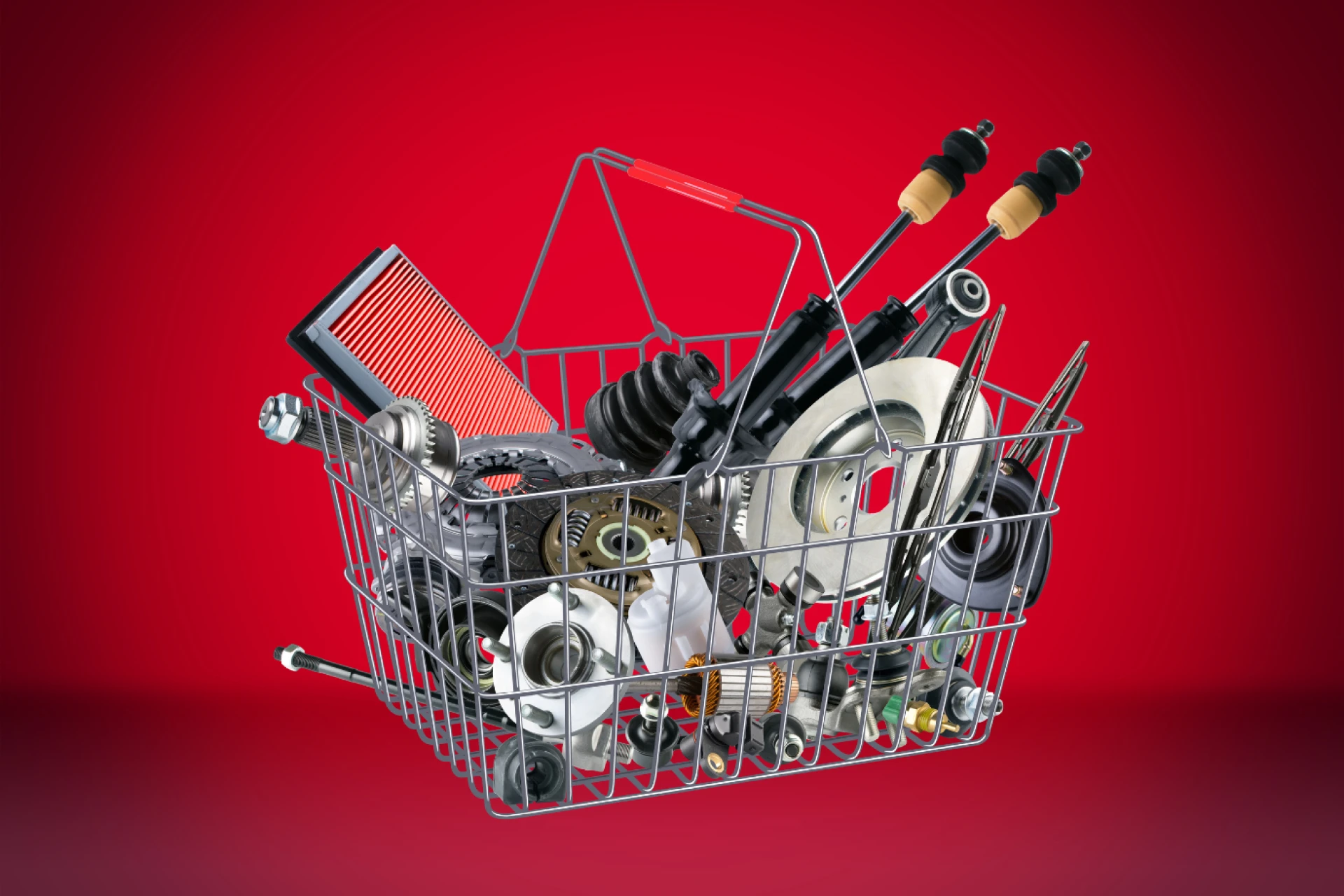
Even if your car is no longer drivable, some components may still have value. Common parts that are salvaged include:
- Alternators
- Batteries
- Starters
- Radiators
- Wheels
- Catalytic converters
These parts may be refurbished or sold separately, adding value to the overall recycling process. For car owners, this means a higher payout for scrap cars when handled professionally.
Step 7: Crushing and Metal Recovery
After all reusable parts and fluids are removed, the remaining vehicle is crushed. Crushing makes the car easier to transport and process in large-scale shredders.
Once crushed, magnets and sorting systems separate metals such as:
- Steel
- Aluminum
- Copper
The sorted metals are then sent to recycling plants, where they are melted down and reused in construction, manufacturing, or new vehicles. About 85–90% of a car’s materials are recyclable, making scrapping a sustainable option.
Step 8: Payment
Many scrap car services provide instant cash payments once the vehicle is collected. Others may transfer funds electronically within a day. Using a reliable service ensures you get a fair price without delays, which is especially convenient if you’re dealing with a non-running or heavily damaged vehicle.
What You Should Know Before Scrapping
- Check your documents: Ensure you have vehicle ownership proof to avoid delays.
- Compare quotes: Different scrap companies may offer varying prices.
- Be aware of towing policies: Some companies offer free towing; others may charge depending on distance.
- Remove personal items: Double-check the car before it’s collected—nothing inside should be forgotten.
By preparing ahead, you can make the process as fast and smooth as possible.
Environmental Benefits
Scrapping your vehicle responsibly helps reduce landfill waste and conserves resources. Recycled metals from your car are reused in new vehicles, appliances, and building materials. Proper removal of fluids and hazardous materials also prevents environmental contamination.
Using a professional service like cash for scrap car removal Mississauga ensures your vehicle is not only disposed of efficiently but also recycled in a safe and environmentally friendly manner.
Final Thoughts
Scrapping a car doesn’t have to be complicated. From getting a quote and scheduling pickup to receiving payment and ensuring environmental compliance, the process is fast and convenient when handled by professional services.
Vehicle owners can expect the entire process—from first contact to completion—to take as little as one to three days, depending on location and facility workload. Knowing what to expect helps make the decision to scrap your car easier and stress-free, while also giving you the peace of mind that your old vehicle is being recycled responsibly.


























Sign in to leave a comment.