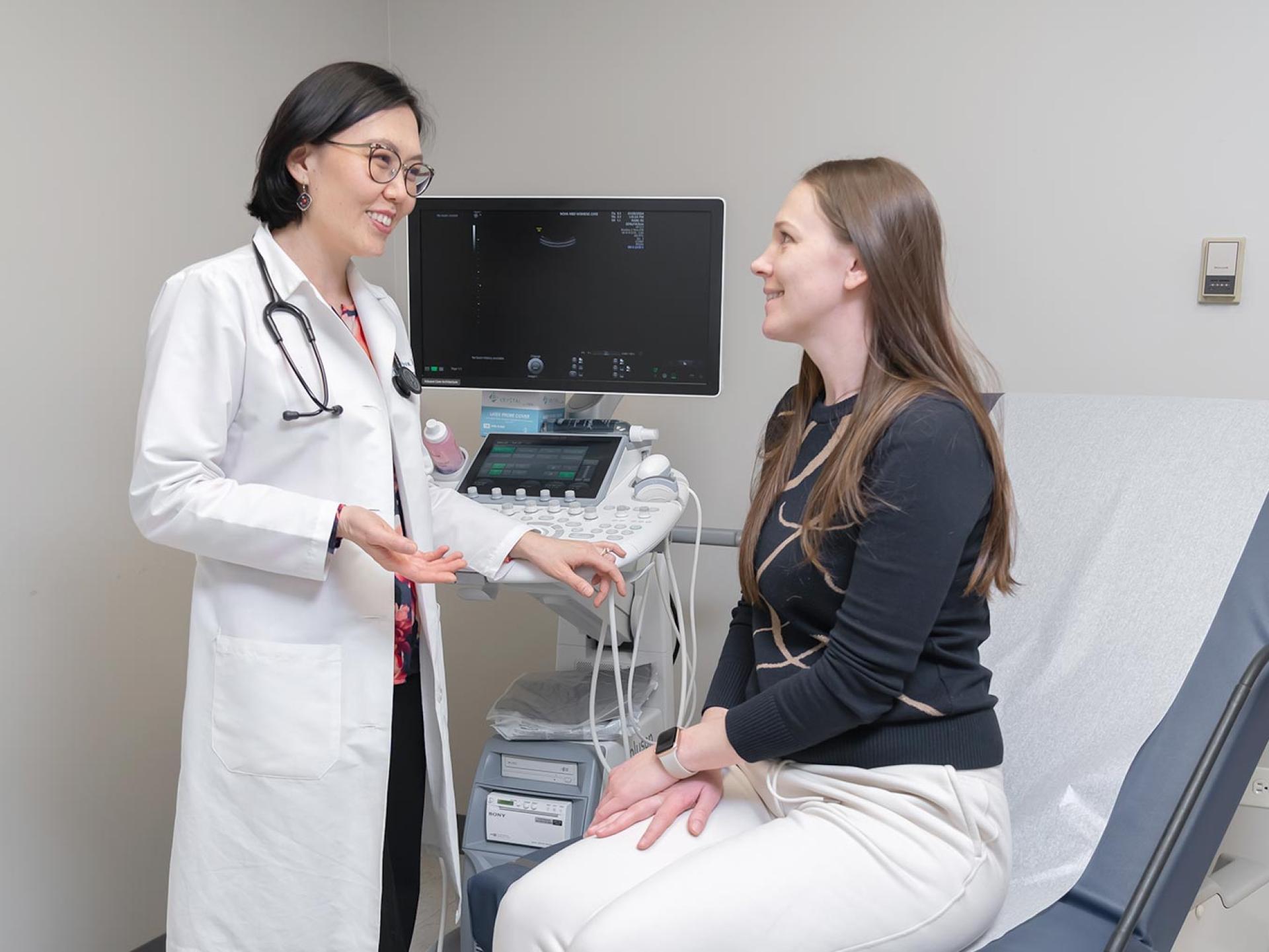

Life moves fast, right? Between work, family, errands, and everything in between, it’s easy to brush off small signs your body gives you. A weird pain here, a dizzy spell there — no big deal, right? Actually, sometimes those little warnings can point to something bigger. For women in Illinois, knowing which sudden symptoms to take seriously could make all the difference.
Let’s walk through what you should look out for — and what to do if something feels off.
Understanding the Red Flags: It’s Not Always Just Stress
Women tend to power through discomfort. A pounding headache or tight chest often gets chalked up to stress or lack of sleep. But here’s the thing — some of those symptoms are your body’s version of flashing red lights.
Here are a few sudden symptoms that should never be ignored:
- Shortness of breath without exertion
- Sudden chest pain or pressure
- Blurry vision or loss of vision in one eye
- Severe abdominal pain
- Unexpected bleeding
- Persistent vomiting or nausea
- Sudden confusion or trouble speaking
Sure, not every ache means a medical emergency. But knowing when something’s out of the ordinary — especially for your body — is key.
Why Illinois Women Need Local Support When Symptoms Hit
Health needs don’t wait for convenience. Whether you're in Chicago’s busy streets or a quiet suburb like Naperville or Champaign, access to quality care can’t be delayed. That’s why having a trusted, accessible provider nearby matters.
This is where nova med clinics have become part of the conversation. They're known around Illinois for delivering reliable care when things suddenly go south. From urgent gynecological needs to unexplained symptoms, their medical teams provide that essential first line of evaluation.
Think of them as a calm, competent neighbor who knows what to do when something’s not right.
Common But Overlooked Symptoms That Deserve a Check
Sometimes it’s the subtle stuff that flies under the radar. Let’s look at a few examples women have reported:
That Random Dizziness
You stood up and suddenly the room spun. Could be low blood pressure, sure. But could also mean anemia or even a neurological issue.
Severe Cramps Outside Your Period
Lots of women assume cramps are always tied to their cycle. But if they hit randomly and feel intense, it could signal fibroids, endometriosis, or even an infection.
Burning with Urination + Back Pain
Sounds like a UTI, right? But if there’s back pain or fever involved, it could be a kidney infection — not something to wait on.
Sudden Mood Swings or Panic
Mental health symptoms like these may be tied to thyroid issues, hormone imbalances, or even perimenopause. Always worth bringing up.
Why Fast Action Matters — Real Stories from Illinois
In 2023, Northwestern Medicine shared a study that showed delays in responding to symptoms led to a 30% increase in emergency interventions for women over 40 in Illinois. That’s a lot.
One Joliet resident, Maria R., said she ignored her blurred vision for weeks. It turned out to be a sign of a mini-stroke. She now speaks openly about not waiting. Her story isn’t rare. And it shows why acting fast really does matter.
What to Do When a Sudden Symptom Strikes
If you’re in Illinois and feel something’s wrong, here’s a quick play-by-play:
- Don’t downplay it. Your health is not a side hustle.
- Make note of the symptoms. Write down when it started and what it felt like.
- Check local urgent care availability. Evening? Weekend? Know your closest clinics.
- Bring someone with you. If possible, a second set of ears can help.
- Trust your gut. No one knows your body better than you.
Specialized Women’s Clinics Make a Difference
Unlike general urgent cares, clinics focusing on women’s health can catch things others might miss. Pelvic pain? Unexpected discharge? These symptoms are better handled by experts familiar with reproductive health.
Local women’s clinics in Illinois — especially those affiliated with major hospitals like Rush or Advocate — often have shorter wait times and more tailored services.
Bonus? Many of these clinics now offer telehealth, so you can get answers fast, even from home.
Keeping a Personal Health Log — Simple but Smart
Grab a notebook. Or a notes app on your phone. Start logging any new or unusual symptoms. It’s like a health diary. That way, if something happens again, you’ve got a trail for your doctor to follow.
Include:
- Date and time
- Description of symptoms
- Any food, stress, or events beforehand
- Medications taken
Trust me, doctors love this kind of info. It saves time and gets to answers faster.
How Hormones Can Blur the Picture
Sometimes, sudden symptoms in women are tied to hormone shifts. Like mid-cycle migraines. Or sudden heat flashes that feel like panic attacks.
It’s not always serious — but again, tracking patterns helps. If something new happens often, get it checked.
Hormonal changes in perimenopause or postpartum can mimic other conditions. The more your provider knows, the better your care.
Takeaway: Don’t Wait. Act Local. Stay Safe.
One of the best things you can do for your future self? Stay alert. Listen to your body. Speak up when something’s off.
If you’re ever unsure where to turn, searching for obgyn urgent care near me will connect you with specialists who understand female health inside and out — especially right here in Illinois. Clinics across Chicago, Aurora, Rockford, and beyond are ready to support you.
Places like Loyola Medicine, UI Health, and Carle Foundation Hospital all offer specialized women’s services tailored to your exact needs.
Final Thoughts: Your Health Is Worth the Effort
It’s easy to feel guilty taking time for yourself. But here’s the truth: You matter. And when something doesn’t feel right, don’t wait it out. From strange pains to changes in mood or energy, your body is trying to tell you something.
Get familiar with local care options. Keep your health notes updated. Ask questions. And most of all — trust your instincts.
Because sudden symptoms don’t wait.
And neither should you.
































Sign in to leave a comment.