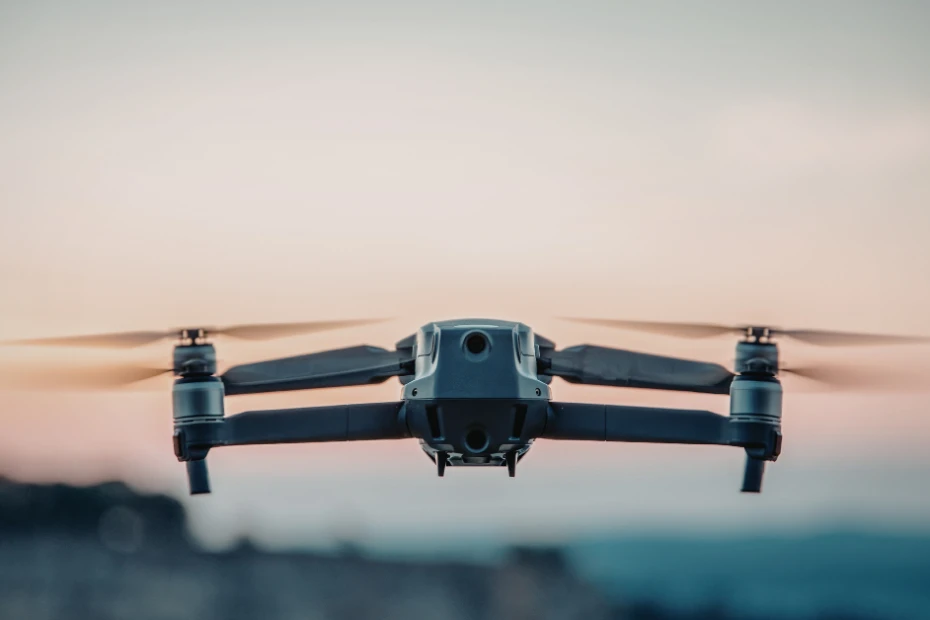

Drones have moved well past being a hobbyist toy. They are now used in agriculture, construction, real estate, film and television production, search and rescue, wildlife monitoring, and infrastructure inspection. The commercial applications have grown fast, and so has the number of people who want to fly drones for work rather than just for fun.
What a lot of people do not realise is that flying a drone commercially in South Africa without the right licence is illegal. The Civil Aviation Authority regulates drone operations under Part 101 of the Civil Aviation Regulations, and anyone flying a drone for commercial purposes needs to be properly certified. That means completing approved training, passing the required assessments, and registering with the relevant authorities.
Getting this right from the start saves a lot of time, money, and potential legal trouble down the line.
Why Licensing Exists and Why It Matters
The airspace above South Africa is shared. Commercial aircraft, general aviation, military operations, and increasingly drones all occupy the same space at different altitudes and in different zones. Managing that shared space safely requires rules, and those rules require that anyone operating an aircraft, including a drone, knows what they are doing.
The consequences of flying without the correct certification go beyond a fine. If an unlicensed drone causes an incident, whether a collision, a crash into a crowd, or interference with an aircraft, the operator faces significant legal liability. Insurance also becomes void when a drone is operated illegally. For anyone running a business that involves drone work, that exposure is not worth taking on.
Completing a proper drone course through an approved training provider is the starting point for operating legally. It covers not just how to fly but the regulatory knowledge, airspace rules, and safety procedures that make you a competent and compliant operator.
What the Training Actually Covers
A structured drone flight course covers both the theoretical and practical sides of drone operation. The split between theory and practical hours varies between providers, but both components need to be completed and assessed before certification can be issued.
The theory side covers South African aviation law and regulations applicable to drones, airspace classification and where drones can and cannot fly, meteorology and how weather affects drone operations, navigation basics, flight planning, and emergency procedures. Understanding these topics is not just a box-ticking exercise. They come up in real situations regularly, and an operator who knows the regulations can make good decisions in the field rather than guessing.
The practical side covers pre-flight checks, manual flight control in normal and abnormal conditions, battery management, camera operation where relevant, and handling situations like signal loss or a low-battery warning mid-flight. Good instructors push students to develop the muscle memory and situational awareness that make them safe operators rather than just pilots who can complete a circuit without crashing.
After training, candidates write the Remote Pilot Licence theory examination through the Civil Aviation Authority. Passing this exam, combined with the flight hours completed during training, forms the basis of the Remote Pilot Licence application. There is also a requirement for a valid medical certificate, which involves a straightforward assessment through an aviation medical examiner.
What It Costs and What to Look For in a Provider
Drone pilot course price varies between providers in South Africa. The range reflects differences in what is included, the quality of the aircraft and equipment used for training, the qualifications and experience of the instructors, and whether the course is approved by the Civil Aviation Authority.
Cheaper is not always better when it comes to aviation training. A course that cuts corners on theory content, uses inadequate equipment, or is delivered by instructors without proper credentials may leave you underprepared for the CAA examination and underskilled for real commercial work. Spending slightly more on a course from a reputable provider with a track record of successful graduates is almost always a better investment.
When comparing providers, ask specifically whether the course is approved by the South African Civil Aviation Authority, what the pass rate for the CAA theory examination is among their graduates, what aircraft are used during practical training, how many actual flight hours are included, and what support is offered for the licence application process after the course is completed.
A provider that can answer those questions clearly and specifically is in a different category from one that gives vague reassurances and focuses mainly on selling the course rather than preparing you for the licence.
The Different Categories of Drone Operation
Not all drone work falls under the same regulatory category. The CAA distinguishes between operations based on the mass of the drone, where it is being flown, and whether it is being operated within visual line of sight or beyond it.
BVLOS operations, which means beyond visual line of sight, require additional certification and approvals beyond the standard Remote Pilot Licence. These are typically needed for long-range surveying, pipeline inspection, and certain agricultural applications. Most commercial drone operators start with standard VLOS certification and only pursue BVLOS authorisation once they have significant operational experience.
Subpart 47 of the regulations covers most standard commercial drone operations and is what drone pilot training programmes in South Africa are primarily designed to prepare candidates for. This covers the majority of commercial use cases including aerial photography, mapping, construction monitoring, and event coverage.
Operators also need to register their drone with the CAA and in some cases obtain an Operating Licence for their drone business. The training process walks candidates through what these requirements are so that they are not caught out by administrative requirements after completing the flying side of things.
Commercial Applications That Are Growing Fast
The range of industries using drones commercially in South Africa has expanded significantly. Knowing where the work actually is helps candidates understand what skills are most useful to develop beyond the base licence.
Aerial photography and videography remains the most common entry point for newly licensed drone pilots. Real estate agents, wedding photographers, tourism operators, and property developers all use drone footage regularly. The barrier to entry is relatively low once you have the licence, though competition is also high.
Precision agriculture is a growing application. Farmers use drones to monitor crop health, identify problem areas, manage irrigation, and in some cases apply inputs directly. This requires additional knowledge of agricultural practices and specific drone types beyond the standard photography platforms, but it is a sector with real commercial depth.
Construction and infrastructure inspection uses drones to monitor progress on large building sites, inspect bridges, towers, and power lines, and create accurate site surveys using photogrammetry. This requires skill with mapping software as well as drone operation, and operators who develop both command better rates than those who only fly.
Search and rescue, wildlife monitoring in conservation areas, and emergency services applications are expanding as well, though many of these involve working with established organisations rather than running independent operations.
What Comes After Getting Licensed
Completing uav drone pilot training and getting your Remote Pilot Licence is the starting point, not the finish line. Building flight hours, developing skills with specific camera and sensor systems, and learning the software used to process data from drone flights are all things that make a licensed pilot more useful and more employable.
Many newly licensed pilots start by building a portfolio. Offering services to local real estate agents, property developers, or event organisers at a lower rate initially is a practical way to accumulate experience and material that demonstrates your capabilities to future clients. The combination of a valid licence and a portfolio of actual work is what converts training into paid work.
For those looking to work for established drone service companies rather than going solo, having the licence is the minimum entry requirement. Companies that provide drone services to mining, construction, and agricultural clients need licensed pilots they can deploy on contracts. Starting in an employed role builds experience across more varied and technically demanding applications than most new operators would access independently.
The South African drone sector is growing and the demand for licensed, competent operators is real. Getting the right training and the correct licence puts you in a position to be part of that growth rather than watching it from the outside.


























Sign in to leave a comment.