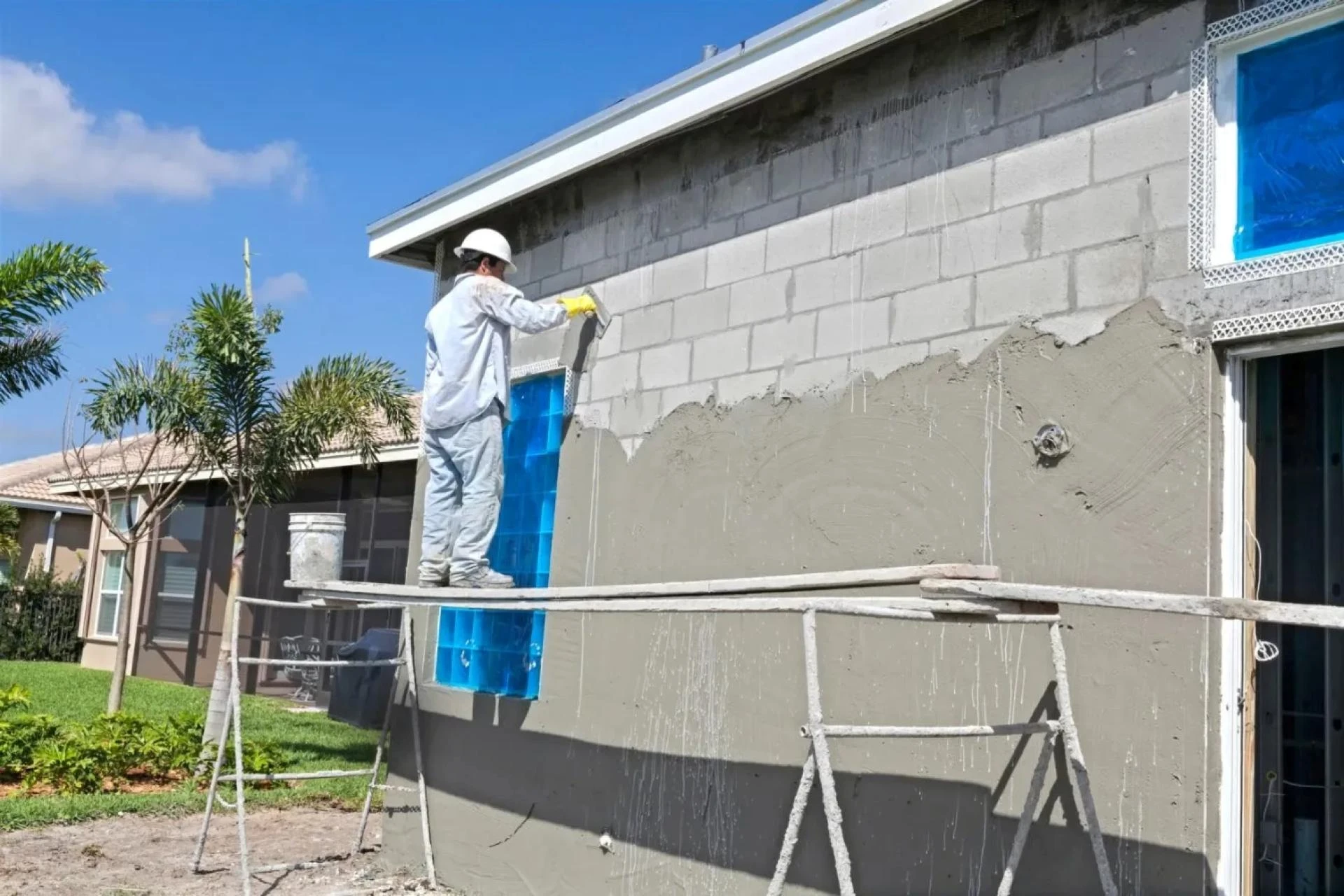
One of the most crucial choices you'll make while building or remodeling a house is the exterior finish. Stucco has been a favored choice because of its strength, adaptability, and classic beauty for generations. But not all stucco materials are created equal, so knowing their properties before you begin your project will help you get the ideal finish and avoid expensive blunders.
Understanding Stucco Materials
Although cement, lime, sand, and water are the basic ingredients of stucco, varied mixtures yield different effects. While contemporary stucco blends may include polymers or fibers for increased flexibility and strength, traditional stucco offers a rustic, permeable surface that ages well. Climate, budget, and preferred texture are some of the variables that affect the choice of stucco materials.
For instance, fiber-reinforced stucco can help avoid cracks in areas with significant temperature fluctuations. Acrylic-based stucco is the best alternative for homeowners who like striking color options and enhanced water protection. Your investment will last for decades if you take the time to choose which type best meets your needs.
The Importance of Quality Accessories
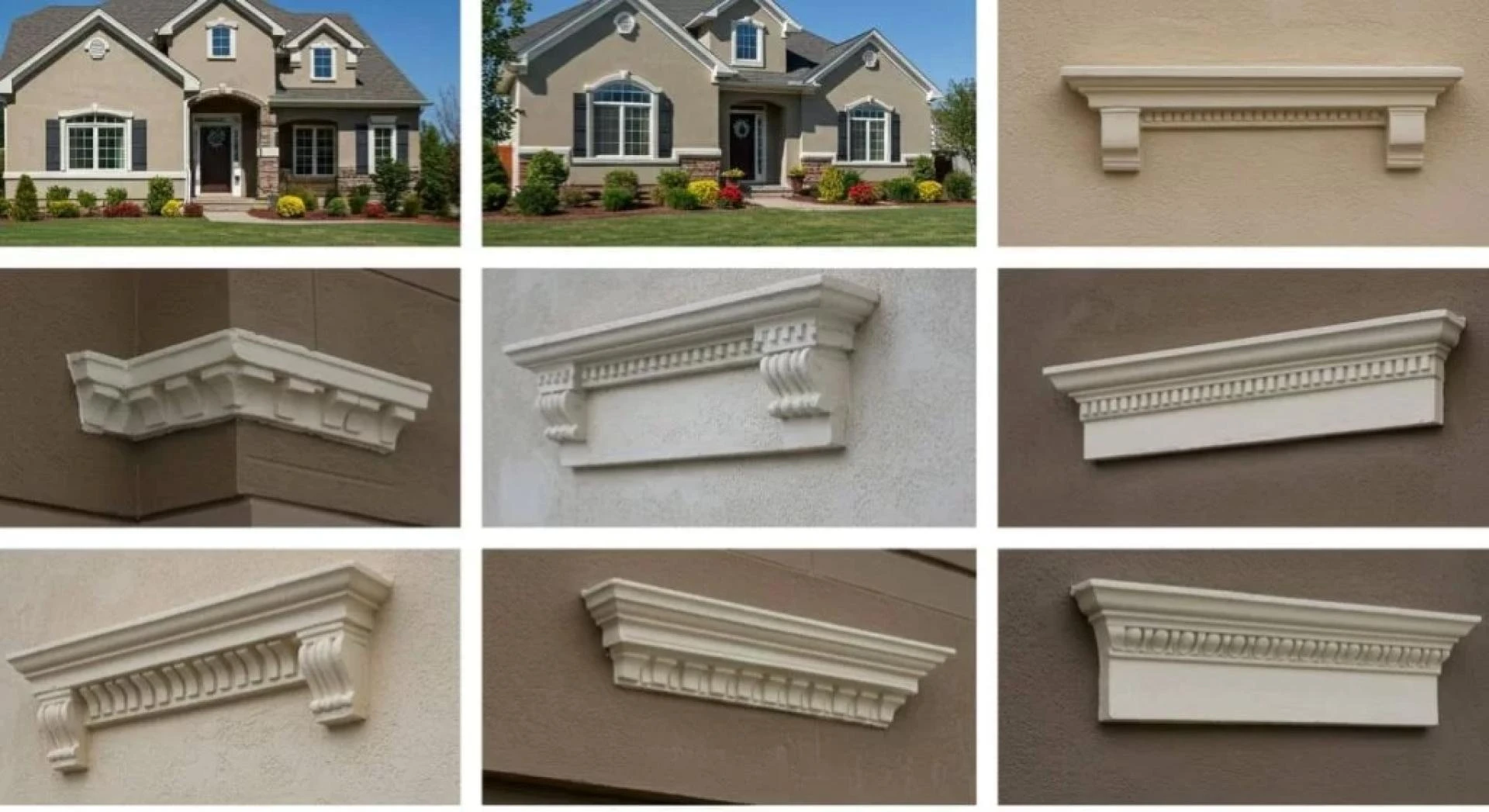
Although the mix is essential, stucco performance is also significantly influenced by trimmings and corners. Working with a reputable stucco metal trim supplier guarantees that transitions and edges are appropriately strengthened, offering strength and a polished appearance. Cutting corners on trims often results in early wear or problems with water intrusion.
Benefits of Stucco
● Durability: Stucco can endure for more than fifty years when applied correctly.
● Energy efficiency: Stucco lowers energy costs since it insulates naturally.
● Design flexibility: Stucco materials come in a variety of designs, from textured patterns to smooth finishes.
● Low maintenance: Stucco doesn't need to be painted or sealed as often as wood.
Tips Before Building with Stucco Materials
- Check compatibility with your climate: Stucco reacts differently in settings that are frigid, dry, or humid.
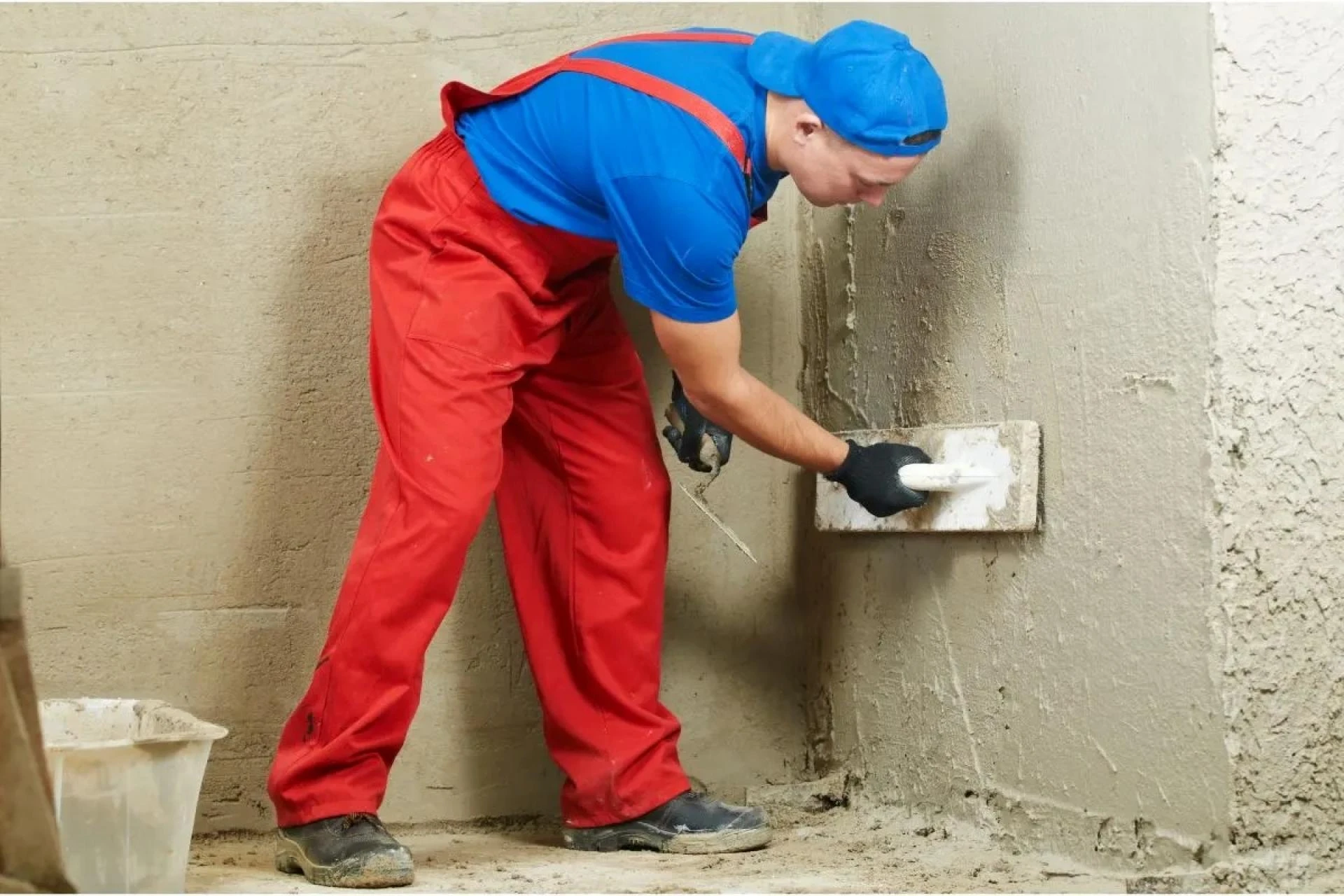
- Hire skilled applicators: A professional finish has a significant impact on both appearance and longevity.
- Use quality trims and accessories: Always choose a reputable supplier of stucco metal trim for the best reinforcement.
- Plan for proper curing time: Cracks often result from rushing the drying process.
- Consider long-term maintenance: Your stucco investment is maintained with routine inspections.
The Bottom Line!
Selecting the right stucco materials involves considerations of value, lifespan, and utility in addition to appearance. Your building project will last a lifetime if you combine premium mixes with trustworthy accessories. A well-informed decision made today ensures a home exterior you'll love tomorrow, regardless of your preference for modern innovation or classic beauty.
Frequently Asked Questions
1) What are the most common types of stucco materials used in construction?
The most common stucco materials include traditional cement-based mixes, acrylic stucco, and fiber-reinforced blends. Each offers different benefits in terms of flexibility, durability, and aesthetics, allowing builders to choose based on project needs.
2) Why is it important to choose a reliable stucco metal trim supplier?
A reliable stucco metal trim supplier ensures the trims are durable, corrosion-resistant, and compatible with different stucco applications. High-quality trims prevent cracks, protect edges, and maintain a professional finish for years.
3) How long can stucco materials last on a home exterior?
Stucco materials can last anywhere from 50 to 80 years with proper installation and maintenance. Regular inspections, minor repairs, and cleaning will help extend the lifespan while preserving its visual appeal.
4) Can stucco materials be customized for different textures and colors?
Yes, stucco materials are highly versatile. Acrylic stucco allows for vibrant color choices, while traditional cement-based mixes can be finished with smooth or textured patterns to match modern or rustic architectural styles.
5) What climate factors should I consider before selecting stucco materials?
Climate plays a major role in performance. Fiber-reinforced stucco works well in areas with temperature shifts, while acrylic stucco is ideal for humid or rainy regions due to its enhanced water resistance and flexibility.



























Sign in to leave a comment.