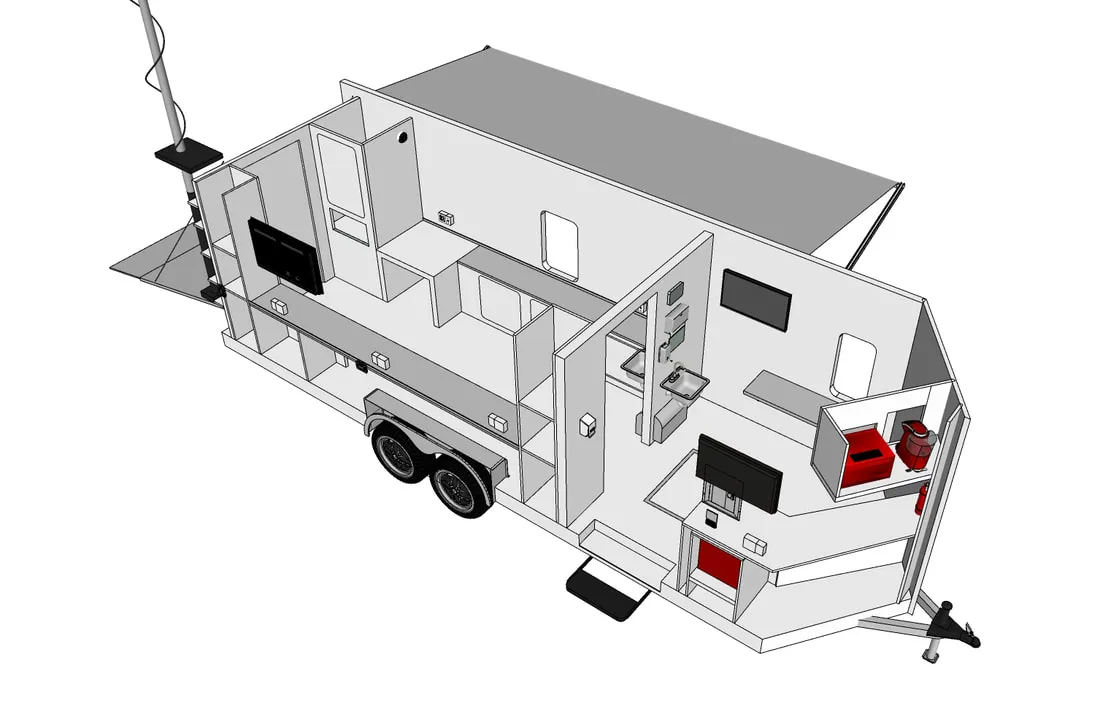

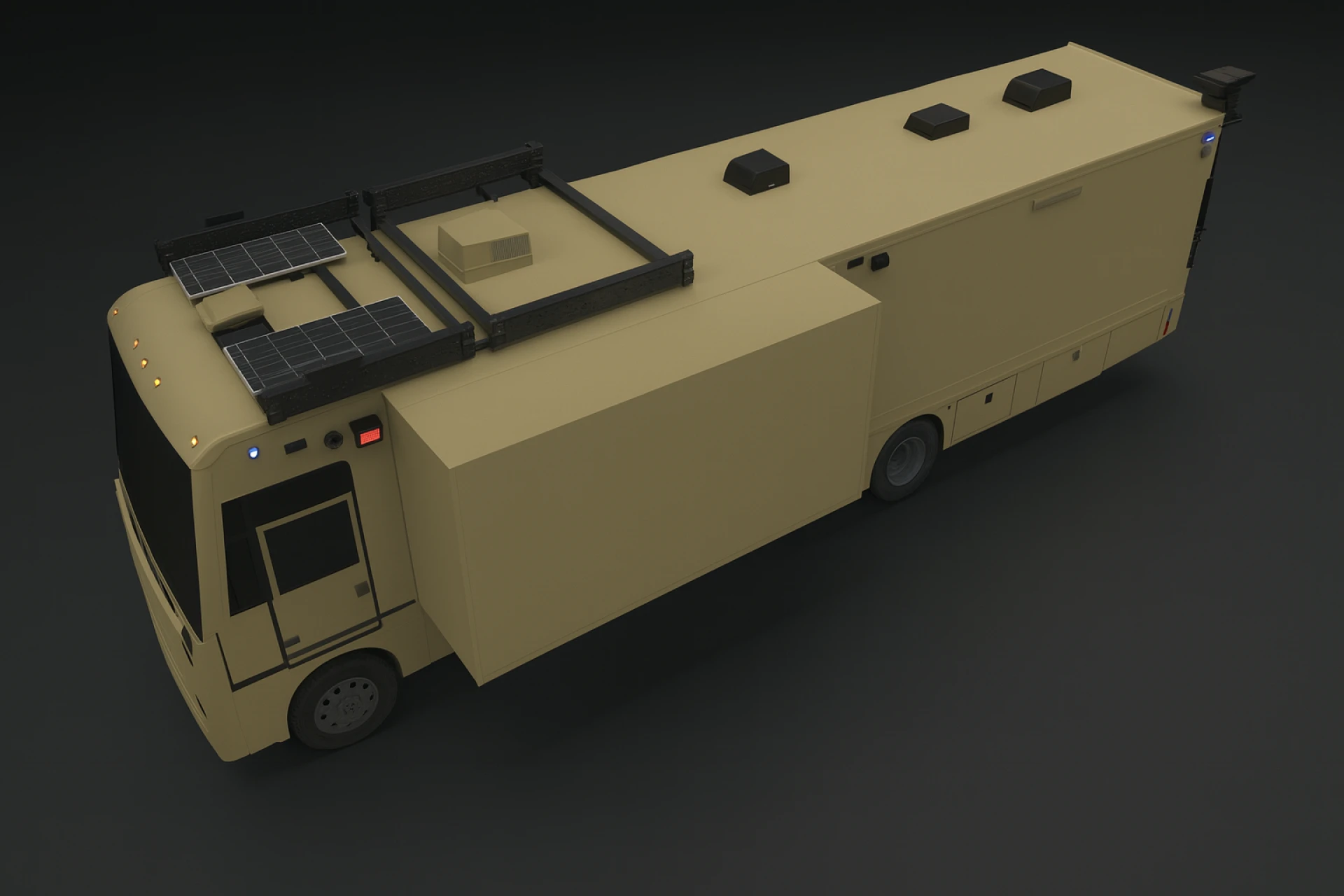
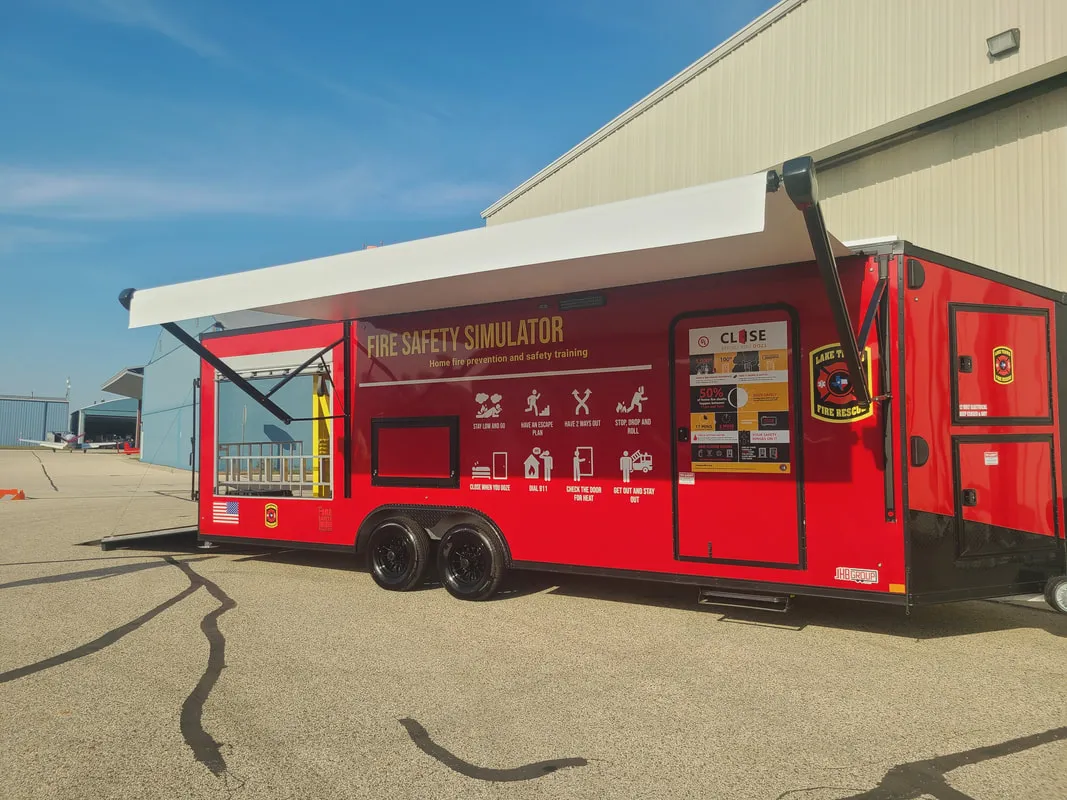
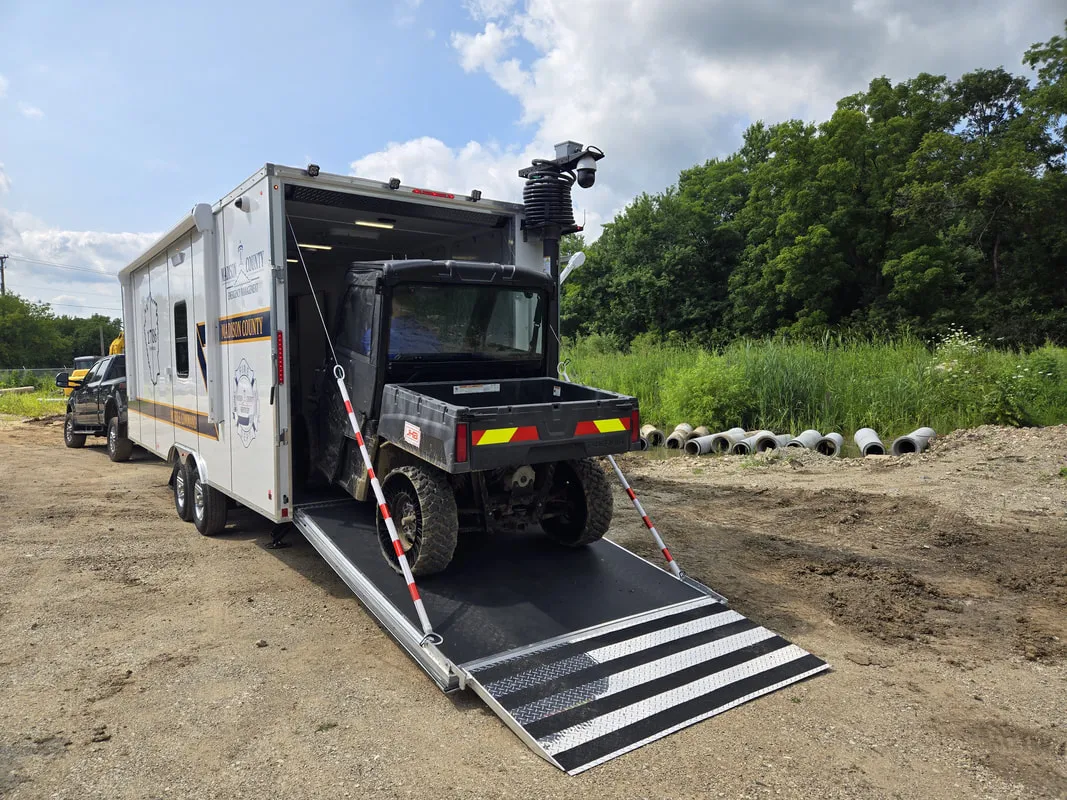
Emergencies can happen anywhere and at any time. In such moments, quick decisions and clear communication are very important. Teams from police, fire, medical, and rescue services must work together smoothly. An incident command trailer helps by giving leaders a mobile control centre close to the emergency scene. It creates an organised space where planning, coordination, and communication can happen without confusion.
During Large-Scale Natural Disasters
Natural disasters such as floods, hurricanes, earthquakes, and wildfires often damage buildings and local offices. In these situations, emergency teams may not have a safe place to meet and plan.
An incident command trailer becomes very useful here. It can be parked near the disaster area and quickly set up as a central command point.
Inside the trailer, officials can:
- Monitor weather updates
- Track rescue teams
- Communicate with hospitals and shelters
- Manage supply distribution
Because it is mobile, the trailer can move if the disaster area shifts. This flexibility is very helpful during changing conditions.
At Major Fire Incidents
Large building fires or industrial fires require many teams working at the same time. Firefighters, medical staff, and police officers must stay connected.
An incident command trailer provides:
- Radio communication systems
- Live camera feeds
- Building plans and maps
- Incident tracking boards
This organised setup helps leaders make clear decisions. Instead of shouting instructions in a noisy area, commanders can work calmly inside the trailer and send clear orders to field teams.
During Public Events and Mass Gatherings
Big public events such as sports games, concerts, religious gatherings, and parades can attract thousands of people. Even if everything is planned well, there is always a risk of accidents, crowd problems, or medical emergencies.
In such cases, an incident command trailer is placed near the event site before the event even begins. It acts as a control centre for safety teams.
From inside the trailer, officials can:
- Watch CCTV cameras
- Coordinate crowd control teams
- Respond quickly to medical calls
- Communicate with event organisers
This early preparation helps prevent small problems from becoming serious emergencies.
In Remote or Rural Locations
Some emergencies happen in areas far from city offices. These include forest fires, mining accidents, highway crashes, or oil field incidents.
Remote areas often lack proper buildings for coordination. An incident command trailer solves this problem by bringing a ready-to-use office directly to the site.
It usually includes:
- Power generators
- Satellite communication systems
- Internet connectivity
- Workstations for planning
This makes it possible to manage complex operations even in areas without basic facilities.
During Hazardous Material Incidents
Chemical spills, gas leaks, or industrial accidents require careful planning and strict safety control. Leaders need a safe distance from the danger zone while still staying close enough to manage operations.
An incident command trailer allows command staff to:
- Review safety data sheets
- Track hazardous zones
- Communicate with specialised response teams
- Monitor environmental conditions
By staying inside the protected trailer, leaders can reduce personal risk while keeping full control of the situation.
Multi-Agency Emergency Responses
Some emergencies require help from different departments and even different regions. For example:
- Large transportation accidents
- Terror-related incidents
- Border emergencies
In these cases, coordination becomes more complex. Different teams may use different communication systems and follow different procedures.
An incident command trailer provides a shared working space. Representatives from each agency can sit together, share information, and plan actions as one united team. This reduces confusion and improves teamwork.
Temporary Replacement for Damaged Command Centers
Sometimes, a city’s emergency control centre may be damaged due to fire, flooding, or power failure. In such cases, response work cannot stop.
A mobile command trailer can act as a temporary replacement until the main building is repaired. It keeps emergency services running without interruption.
This makes it not just a field tool, but also a backup solution for important infrastructure.
Supporting Long-Term Emergency Operations
Some emergencies last for days or even weeks, such as wildfire control or large disaster recovery projects. In these long operations, teams need a stable and organised workspace.
The trailer provides:
- Meeting areas
- Planning boards
- Rest and briefing spaces
- Data and communication systems
This structured environment helps maintain order over long periods.
Final Thoughts
An incident command trailer is most useful when coordination, communication, and leadership must happen close to the emergency scene. Whether during natural disasters, public events, remote incidents, or hazardous situations, it provides a safe and organised command space. By bringing technology, structure, and mobility together, an incident command trailer helps emergency teams respond faster, work smarter, and protect lives more effectively.




















Sign in to leave a comment.