
Project teams keep running into the same roadblock. A deadline shifts. A sponsor calls something “high priority”. A team is already stretched. Yet someone still says the same line. We’ll make it work. It sounds heroic till the cracks show.
Modern teams operate with tighter timelines, higher expectations, and constant context switching. This is exactly why leaders now turn to resource scheduler software and structured planning. They need clarity and predictability. And they need a realistic picture of who can do what before work starts stacking up.
Why Did Guesswork Quietly Replace Real Planning?
Teams rarely choose guesswork. It happens slowly, but meetings get shorter, and projects overlap. Teams scale faster than the systems that support them. What starts as a temporary workaround becomes the default.
Leaders often ask questions that signal trouble. Do we know our true workload? Can we see team availability in advance? Are we planning work because of urgency or capacity? The shift toward reactive planning usually stems from:
- Fragmented data scattered across spreadsheets and chat threads
- Changing priorities that override realistic timelines
- Specialized skills tied to a handful of people
- No unified visibility across teams or departments
When timelines compress, leaders rely on human intuition rather than structured insight. Over time, those instincts become blind spots.
How Does Planning Fall Apart Even When Teams Think They Are “Organized”?
Leaders often feel confident in their planning rituals. There are weekly standups, monthly reviews, and periodic forecasting sessions. Yet work still slips.
The reasons usually sit beneath the surface, and here are a few:
1. Misalignment of what teams think they can deliver
Managers assume a task takes eight hours. The actual work takes twelve. Multiply that across twenty tasks, and the timeline falls apart.
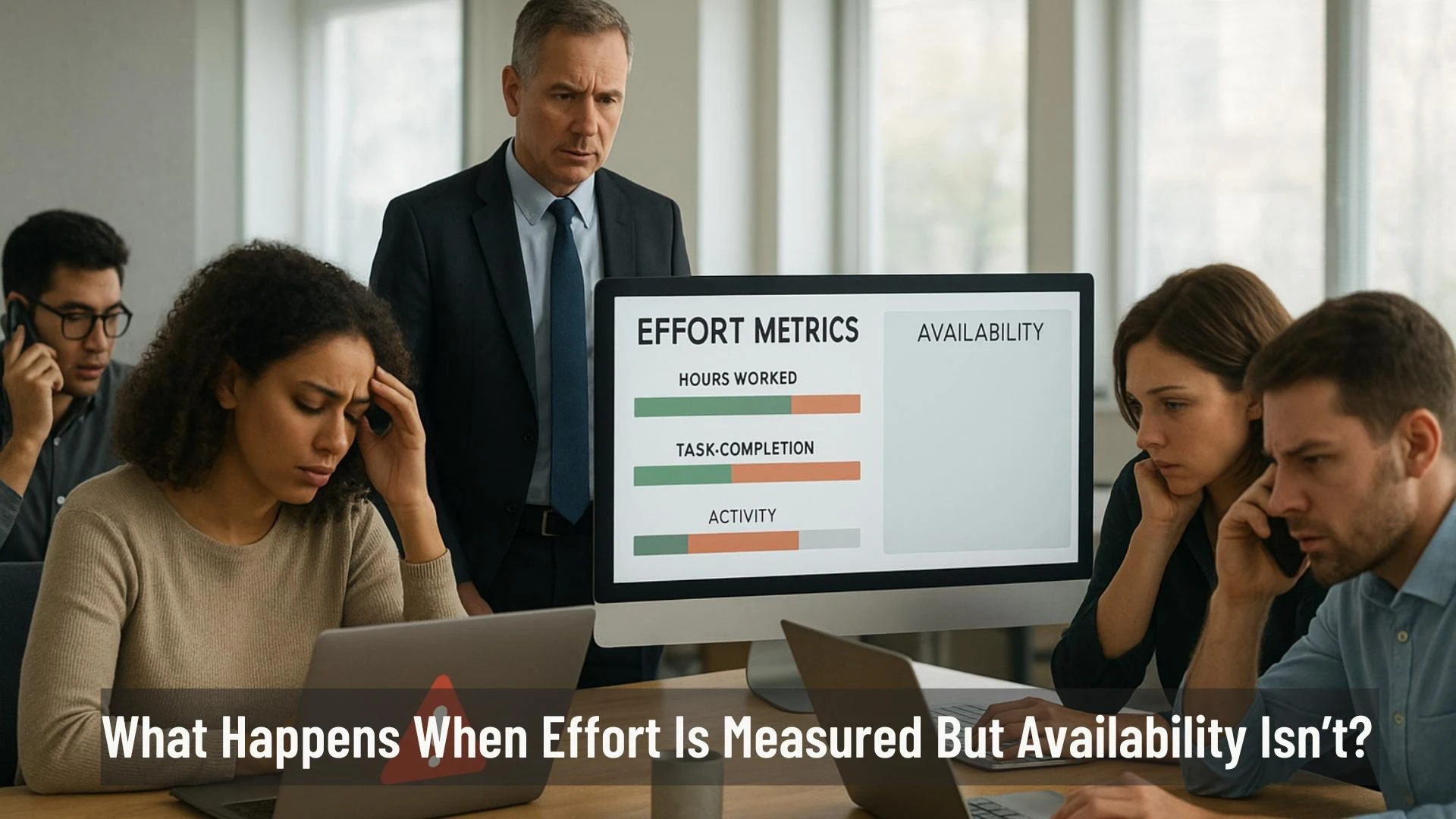
2. Incomplete visibility into shared roles
A designer supporting three departments might look free on one team’s tracker but fully booked in another.
3. Invisible dependencies across teams
A development task might appear simple until a security review, design update, or compliance step adds hidden effort.
4. Work that grows because urgency overrides structure
Last-minute requests crash into planned work. Leaders reshuffle people without assessing the downstream impact.
The result is the same. People stretch themselves thin. Work becomes reactionary. And teams rely on optimism instead of capacity.
What Makes Resource Allocation Harder Today Than It Was A Decade Ago?
Planning used to be linear. Teams worked from office, projects flowed in phases, and skills were easier to categorize. Today, the environment feels like a moving target. Leaders deal with dispersed teams, blended work models, and a constant inflow of change requests. Resource capacity planning becomes harder because:
- Team workloads vary widely from one week to the next
- Project scopes expand even when timelines don’t
- Skill requirements shift mid-project
- Cross-functional work depends on shared people
- Burnout risk rises when over-allocation goes unnoticed
One study found that more than 70% of failed projects cite poor resource planning as a key contributor. Another global survey shows nearly half of digital leaders don’t have real-time visibility into staffing levels. These gaps put pressure on teams that already juggle time-sensitive work.
What Does Realistic Planning Look Like In High-Performing Organizations?
Teams that plan well share a few common behaviors. They use structured, data-informed methods that replace guesswork with clarity.
1. They build dynamic, not static, plans
Static plans lock projects into assumptions. Dynamic plans adjust for real-time availability, skill mix, and workload patterns.
2. They rely on forward-looking visibility
Teams see who is available next week, next month, and next quarter. This helps leaders make decisions that prevent overload.
3. They design work around capacity, not the other way around
High-performing organizations often ask a simple question before approving work. Do we have the people and skills to execute this on time? If not, they re-sequence, hire, or redistribute.
4. They track utilization in context, not isolated numbers
Healthy utilization is not about squeezing every hour. It is about balancing strategic work, operational tasks, and breathing room.
5. They treat planning as a team-wide discipline
Instead of one person maintaining a spreadsheet, planning becomes a shared ecosystem that aligns project managers, operations leads, and functional teams.
How Do Modern Tools Shift Teams From “We’ll Make It Work” To “This Plan Works”?
Technology helps teams decode complexity. Modern planning ecosystems do more than create schedules. They bring together skills, timelines, workloads, and future pipeline into one structured view. Leaders ask simple but powerful questions that technology answers instantly.
- Who is free for this project next week
- Which team is hitting overload in the coming month
- What skills are missing in the next quarter
- How will shifting a deadline impact three other teams
The right system reveals patterns humans cannot catch quickly. Leaders get visibility. Teams get balance. Organizations get predictability.
What Changes When Leaders Embrace Proactive Resource Management?
Once teams move from reactive optimism to proactive planning, several benefits kick in.
- Predictable delivery: When teams plan around capacity, deadlines stop slipping.
- Smarter staffing decisions: Leaders invest in roles and skills that match future demand, not guesswork.
- Better project prioritization: Teams evaluate work based on effort, value, and capacity instead of urgency.
- Healthier workloads: Burnout drops when people work within sustainable limits.
- Stronger collaboration: Shared visibility breaks down departmental silos.
This shift helps organizations operate with clarity instead of chaos. The strategy moves from hope to structure.
What Does The Future Of Resource Management Look Like?
The next decade will change how teams plan, staff, and execute work. Three trends are already reshaping the landscape.
- Predictive forecasting: Systems will read upcoming workloads, compare them with skill availability, and highlight risks long before they hit.
- Skill intelligence: Teams will track evolving competencies, training progress, and project fit to match work with the right people.
- Predictive decision support: Leaders will spend less time searching for data and more time acting on recommendations that balance outcomes and workload patterns.
Planning will feel less like juggling and more like coordinated orchestration.
Frequently Asked Questions
1. Why do teams rely on optimism instead of structured planning?
Teams rely on optimism instead of structured planning because they lack unified visibility. Resource scheduler software creates clarity that replaces last-minute reactions.
2. How do leaders know if their teams are overloaded?
Track utilization trends and compare them with upcoming work. Real-time transparency reveals overload before deadlines collapse.
3. What is the simplest way to improve planning accuracy?
Start by aligning estimates with actual historical effort. Resource capacity planning builds better forecasting habits.
4. How can distributed teams plan workloads effectively?
Use a centralized system that stores skills, schedules, and availability for all locations. Visibility keeps remote teams aligned.
5. Why do projects still slip even with clear timelines?
Timelines only work when matched with real capacity. Without its scope, effort, and workload, drift creates unavoidable delays.





























Sign in to leave a comment.