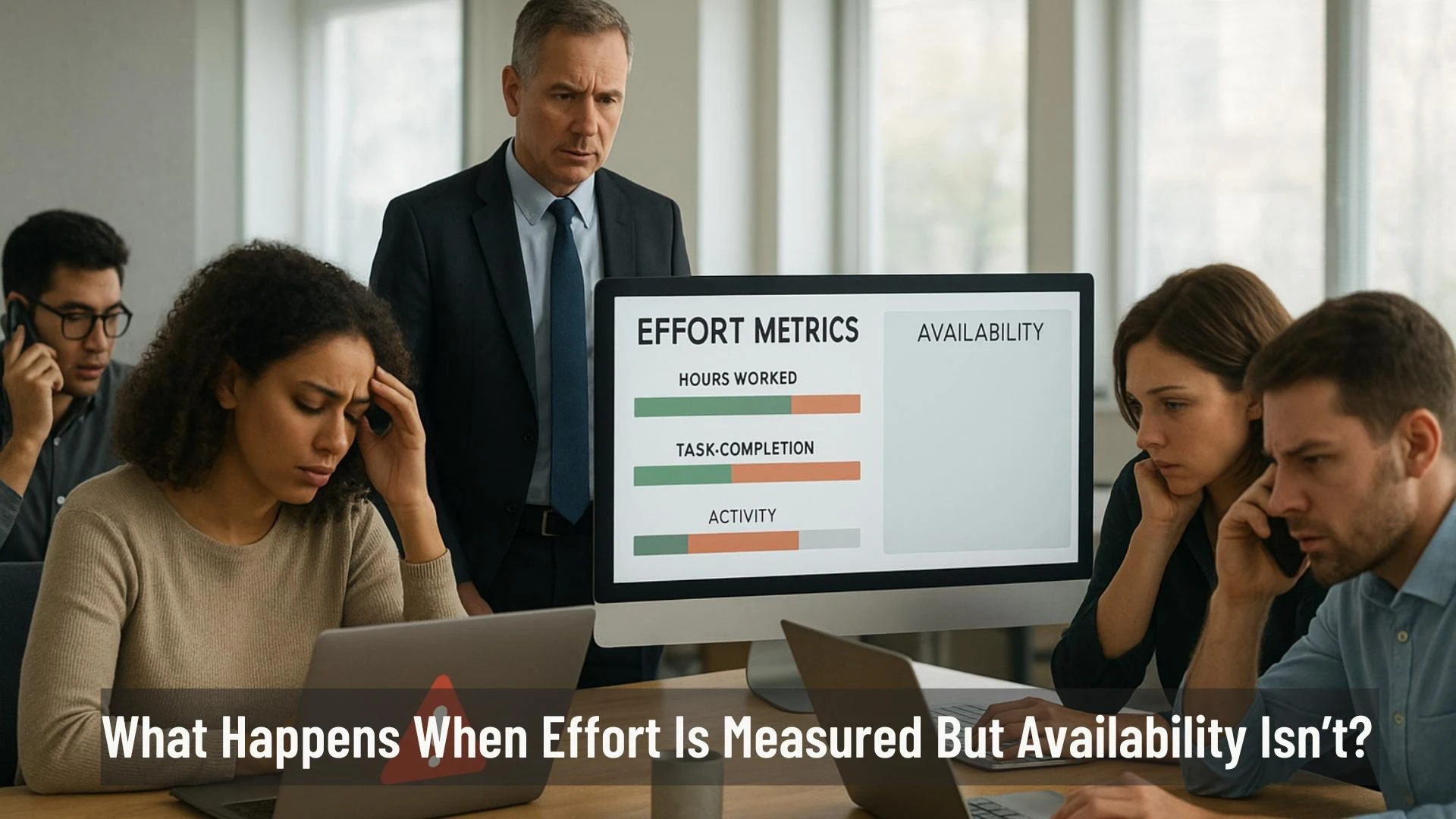

When effort is tracked, but availability stays invisible, project plans start drifting into guesswork. Leaders see hours spent but not the capacity those hours depend on. Teams look busy on paper but end up overloaded in reality. Forecasts wobble. Deadlines move. Performance dips for reasons that feel invisible until it’s too late. Modern organizations face this tension daily.
It’s why many operations leaders turn to resource scheduling software to bring clarity where spreadsheets fall short. The real story isn’t about tools. It’s about visibility, balance, and the simple truth that effort means nothing without the context of availability.
What Breaks Inside A Plan When Teams Track Work But Not Capacity?
The gap shows up quietly at first. A plan looks solid because everyone estimates effort honestly. Yet deadlines slip even when the numbers appear clean. The disconnect usually comes from four hidden cracks.
Hidden overload creeps in
Someone logs 20 hours of expected effort but has only 10 hours free due to training, admin duties, or parallel projects. The project manager sees green. The calendar says red.
Utilization becomes artificial
Effort data alone paints a partial picture. A team member may log fewer hours than expected but still be unavailable due to support duties, PTO, or operational commitments. Capacity planning falls apart without real availability.
Forecasts turn fragile
Without availability data, forecasts rely on “best case” assumptions. Leaders believe they know how many projects they can take on. In reality, they are underestimating load by 20–40% according to multiple industry capacity studies.
Teams see the impact before leadership does
Burnout indicators rise. Bottlenecks form. Firefighting becomes routine. By the time leadership recognizes the pattern, delivery confidence is already compromised.
This is where tools such as eResource Scheduler bring value because they let teams map both sides of the equation. Effort tells you what’s required. Availability tells you what’s possible.
Why Does This Mismatch Happen Even In Mature Organizations?
Professionals often ask: If we track work so carefully, why do capacity gaps still catch us off guard? The reason is structural.
Work is visible. Availability is fragmented.
Time spent on tasks is easy to record. Availability sits across calendars, HR systems, unplanned obligations, and informal commitments that never make it into a central view.
Organizations underestimate non-project load
Research consistently finds that 30–50% of a knowledge worker’s time disappears into emails, meetings, operational requests, and context switching. It rarely shows up in planning conversations.
Leaders rely on linear math in a nonlinear environment
Effort is linear: 6 hours is 6 hours.
Availability is nonlinear: interruptions, wait times, blockers, parallel tasks, and shared resources disrupt even the cleanest estimates.
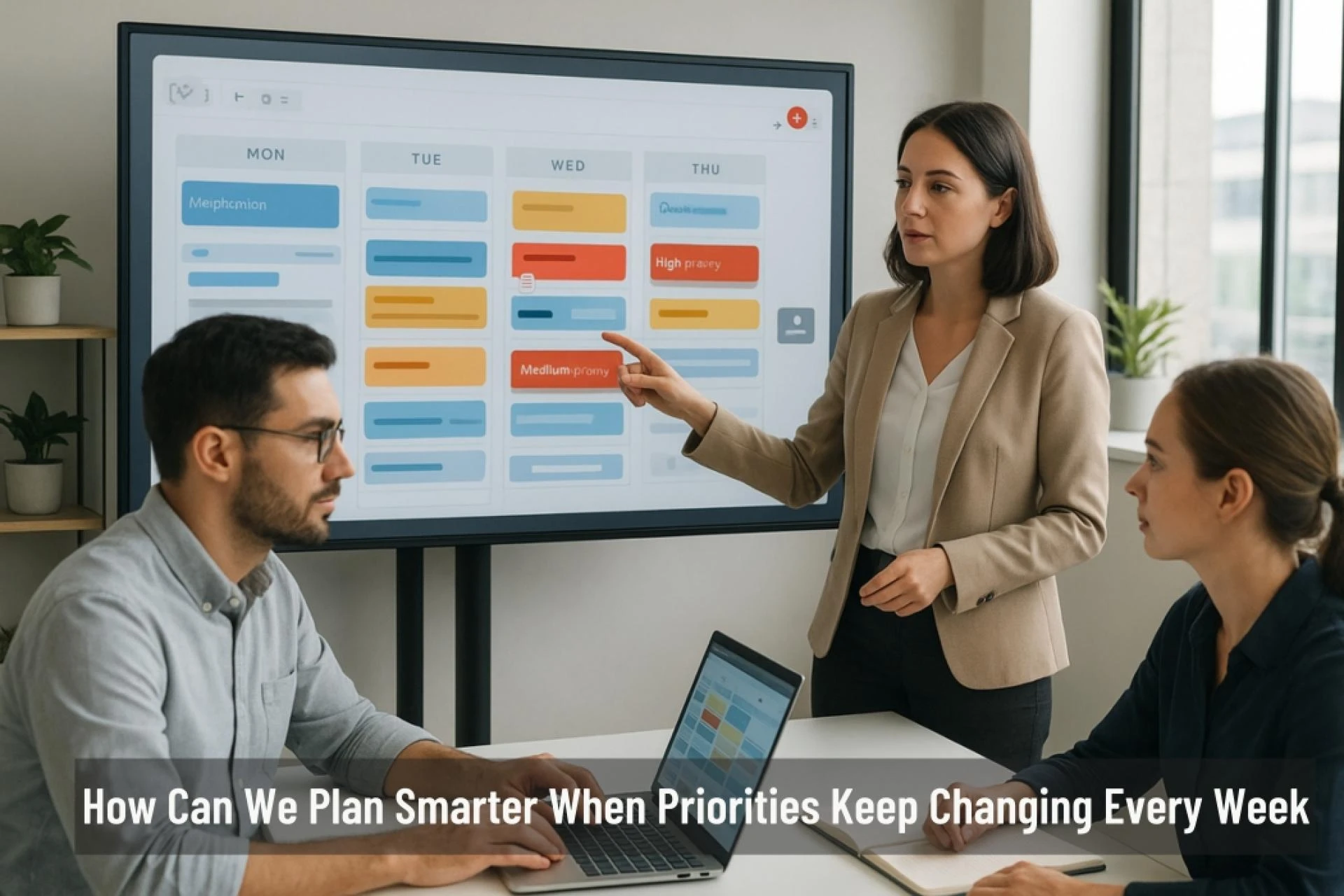
Priorities shift faster than effort estimates
A project manager may estimate effort well at the start, but real availability changes every week. Only a system that tracks both in real time can keep the plan honest.
This is why many organizations implement timesheet software to capture actual effort and use eResource Scheduler to combine it with availability for a grounded view of reality.
What Does A Capacity-Aware Future Look Like For Project-Driven Organizations?
This is where the conversation shifts from frustration to opportunity. When businesses align availability with effort, planning becomes more strategic and less reactive.
Project managers make confident tradeoffs
Instead of guessing whether the team can take on new work, managers see clean availability heatmaps and make fast decisions with evidence, not instinct.
Operations leaders avoid late surprises
Capacity gaps surface early. Leaders can shift workloads, reschedule deliverables, or rebalance teams long before burnout or delays hit.
Resource planners see patterns before they become problems
Availability data reveals predictable trends such as peak load months, recurring bottlenecks, or underutilized roles. Over time, planning becomes proactive.
Consultants deliver smoother engagements
In professional services, client satisfaction hinges on predictable delivery. A capacity-aware model reduces schedule risk and keeps revenue steady.
This is why capacity-centric resource planning continues to gain traction. It enables leaders to build systems that support both people and performance.
How Do Technology-Driven Planning Tools Solve The Visibility Gap?
Modern organizations don’t just need effort tracking. They need context. That’s where purpose-built planning platforms play a transformative role.
Real-time availability views
Tools like eResource Scheduler sync calendars, workloads, PTO, and project allocations. Leaders get a real sense of how much capacity exists before assigning effort.
Unified effort and availability mapping
Effort estimates can be checked against actual free hours for each team member. Overload becomes immediately visible.
Dynamic forecasting
Planners see capacity weeks or months ahead. If availability drops anywhere, alerts and visual flags highlight the issue.
Scenario planning
Operations teams can ask practical questions that matter in the real world, such as:
- What if this project moves up by two weeks?
- What if this specialist becomes unavailable for five days?
- What if another client project starts sooner?
Scenario modeling lets leaders plan moves before they become disruptions.
Better alignment across teams
Project managers, operations leaders, and delivery owners finally share a single truth. No parallel spreadsheets. No contradictory reports.
This harmony between effort and availability creates the foundation for reliable delivery.
Conclusion
The future of resource planning blends human judgment with intelligent automation. Capacity management is no longer a back-office function. It’s becoming a strategic lever.
Expect trends such as:
- Automated workload balancing
- Real-time skill visibility
- Integrated planning across delivery, operations, and finance
- Smarter allocation recommendations based on availability signals
- Deeper integration with effort tracking to enrich forecasting
Platforms like eResource Scheduler already move in this direction by giving teams a clearer, smarter, and more realistic view of how work flows through an organization.
Frequently Asked Questions
1. Why does planning fail when effort is measured without availability?
Because effort shows only the expected work. Availability shows the actual capacity. Without both, even the best plan collapses. Tools such as resource scheduling software help teams see this full picture.
2. How does real availability differ from scheduled effort?
Availability accounts for meetings, PTO, admin time, support duties, and parallel tasks. Scheduled effort shows only project work. Combining them prevents overload.
3. What should teams track alongside effort?
Actual capacity, non-project load, planned absences, and shared resource commitments. Timesheet software and capacity planning systems bring this data together.
4. How can leaders forecast better?
By using systems that update availability and effort in real time. eResource Scheduler is built to support this with dynamic resource visibility.
5. What’s the quickest way to improve utilization?
Increase visibility. When teams see true availability, allocations become smarter, workloads stay balanced, and forecasting improves naturally.




























Sign in to leave a comment.