
In many organizations, managing capacity feels less like strategy and more like chance. Deadlines shift, priorities collide, and one unexpected sick day can throw an entire plan off balance.
Despite sophisticated systems and detailed timelines, leaders still find themselves reacting rather than planning. The reason? Human capacity is fluid, and traditional methods often treat it as fixed.
Modern resource allocation software and connected tools are changing that by helping leaders see capacity as a living, dynamic metric, one that can adapt, predict, and respond in real time.
What Makes Capacity Management So Unpredictable?
Because people aren’t machines. Even with defined roles and timelines, no two weeks look the same for most teams. Project priorities shift, client demands fluctuate, and talent availability changes constantly.
Common culprits behind this unpredictability include:
Unclear demand forecasting
Planning often happens around expected work instead of confirmed demand. When forecasts miss the mark, teams end up holding capacity for projects that don’t land or scrambling to cover sudden inflows of real work.
Poor visibility into workloads
Without transparent workload data, leaders can’t tell who’s overloaded or underused. This leads to uneven schedules, rushed decisions, and growing inefficiency across teams.
Static planning tools
Spreadsheets and manual trackers can’t adapt to shifting priorities. A single update ripples across projects, but static tools rarely capture that in real time.
Siloed information
Departments often plan in isolation, using disconnected systems. Without shared data, organizations face blind spots, double bookings, and uneven utilization.
These factors combine to make capacity planning a moving target, forcing managers to rely on intuition over insight.
Why Is Forecasting Still So Hard for Most Organizations?
Forecasting capacity is tricky because it blends both art and science. The science lies in using data like utilization rates, timesheets, and project timelines to predict future workload. The art is interpreting that data in context.
For instance, two designers might log the same hours, but one may handle high-stress creative work that drains faster. Numbers alone don’t capture human variables like fatigue, skill mismatch, or burnout risk.
To improve accuracy, forward-thinking companies combine quantitative metrics with qualitative input. Regular feedback loops from team members, skill assessments, and upcoming leave data make forecasts more realistic.
How Do Modern Teams Bring Predictability Back Into Planning?
The shift starts with visibility. Teams need to know who’s doing what and how much more they can take on. Instead of reactive juggling, proactive capacity planning focuses on matching real-time availability with upcoming demand.
Here’s how leading organizations are reducing the guesswork:
- Real-time dashboards reveal workload distribution across departments and projects.
- Scenario planning lets teams simulate the impact of new work before committing resources.
- Automated alerts flag overbooked employees early, enabling managers to rebalance workloads fast.
- Historical analytics show how capacity fluctuated in the past, helping predict future bottlenecks.
By turning data into foresight, teams replace reactive fixes with deliberate, informed decisions.
What Happens When Capacity Planning Fails?
When capacity isn’t managed well, the ripple effects are immediate and expensive. Projects slip. Clients lose confidence. Employees burn out.
Three major consequences stand out:
- Overutilization: Employees stretched too thin deliver lower-quality work and disengage faster.
- Underutilization: Idle capacity wastes payroll dollars and lowers team morale.
- Reactive decision-making: Without clear visibility, managers make short-term fixes that often cause long-term inefficiencies.
How Is Technology Reshaping Capacity Management?
The era of static planning is over. Modern tools now use automation and predictive analytics to make capacity management smarter, not harder.
Some key transformations include:
- Dynamic resource tracking: Cloud-based dashboards provide real-time insight into workloads and availability.
- Predictive scheduling: AI models forecast resource needs based on historical project data.
- Cross-departmental integration: Teams in HR, finance, and operations share one data source and reduce the possibility of conflicting assumptions.
- Skill-based matching: Algorithms suggest the best-fit resource for each task, not just the next available person.
By turning planning into a continuous, data-driven process, technology helps leaders anticipate instead of react.
What Does the Future of Capacity Planning Look Like?
Tomorrow’s capacity management won’t revolve around counting hours but understanding potential. The shift is from “Who’s free?” to “Who’s best suited?” and “What outcomes are possible?” Technology like an employee scheduling app will play a key role in turning static schedules into adaptive, data-driven insights.
Emerging trends include:
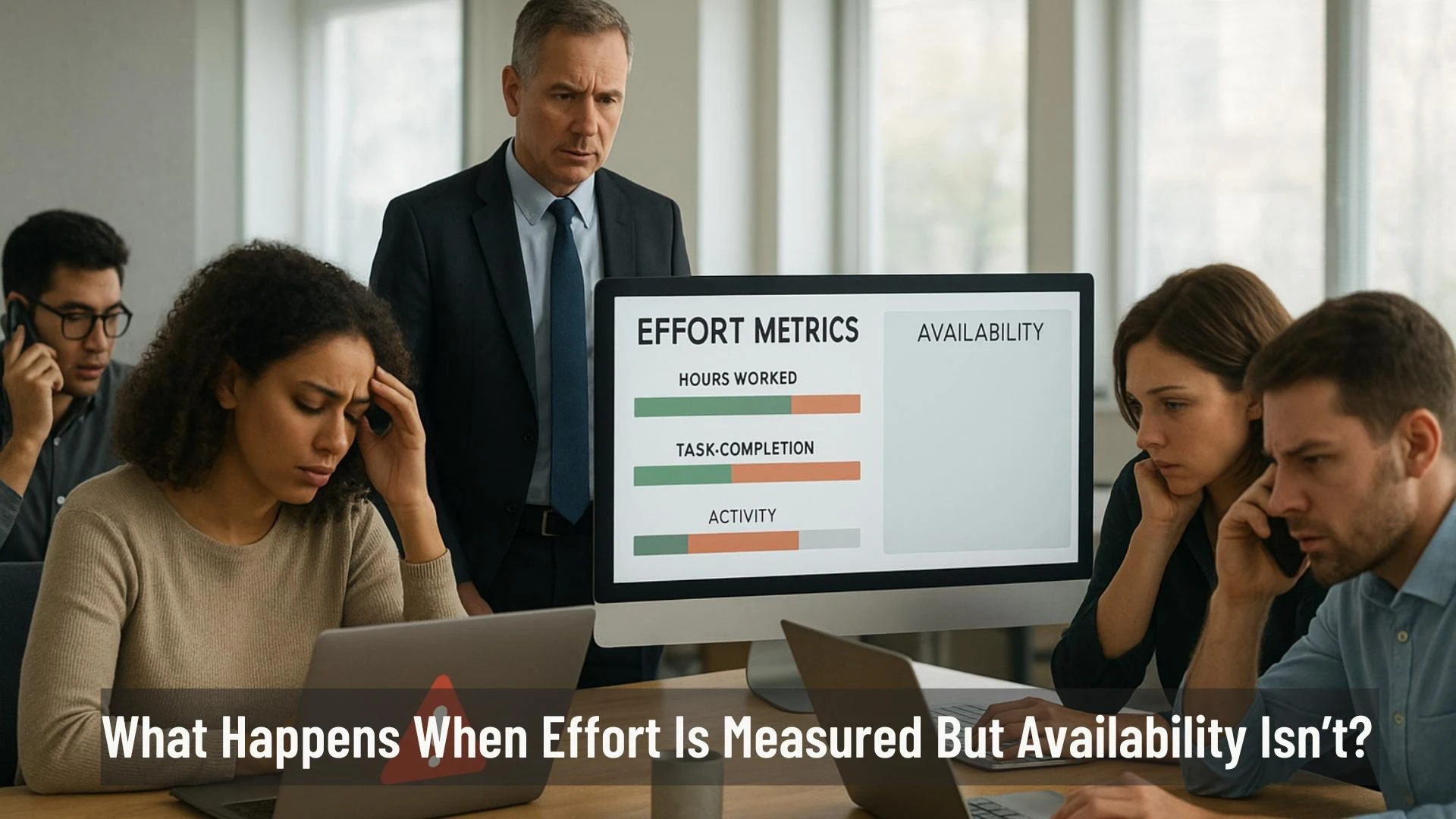
- Human-centric analytics: Tools that measure engagement, not just effort, to prevent burnout.
- Agile capacity frameworks: Rolling forecasts that adjust weekly instead of quarterly.
- Unified visibility: Cross-functional capacity maps aligning project, HR, and finance data.
The end goal is balance, where capacity planning becomes a living process that evolves with business needs and human rhythms.
Why Capacity Management Is Really About Trust
Underneath all the tools and dashboards lies a fundamental truth: capacity planning only works when teams trust the system. If employees believe their workload data will be used fairly, they will update it honestly. If managers believe the insights reflect reality, they will plan more confidently.
Technology may provide precision, but trust sustains accuracy. Teams that build transparency into capacity discussions, sharing constraints, workloads, and priorities, see stronger alignment and better performance.
Managing capacity doesn’t have to feel like a gamble. With real-time visibility, smarter forecasting, and trust-backed data, organizations can stop guessing and start balancing. The winning bet? A strategy where every hour, skill, and schedule works in sync, not by chance, but by design.
Frequently Asked Questions
1. What’s the difference between resource allocation and capacity planning?
Resource allocation assigns specific people to tasks. Capacity planning looks at overall availability to ensure teams aren’t over or underutilized before allocation begins.
2. How does automation improve capacity planning?
Automation streamlines data collection, flags conflicts instantly, and provides real-time insights, reducing the manual effort and delays that cause planning errors.
3. Why do spreadsheets fail for capacity management?
They can’t update dynamically or show interdependencies between teams. One small change can invalidate an entire plan.
4. How can small businesses benefit from resource management tools?
Even small teams face shifting workloads. Resource management tools help them visualize demand and avoid burnout or idle time.
5. What’s the biggest future trend in capacity planning?
Adaptive planning. Systems that learn from past performance and adjust forecasts automatically as priorities change.























Sign in to leave a comment.